
Posted on — Leave a comment

7 Smart Tips for Choosing a Dining Table for Small Rooms

7 Smart Tips for Choosing a Dining Table for Small Roms

H2 Sourcing Certified Durability: Material Standards for Compact Dining Tables

How to Choose a Dining Table for Small Dining Rooms: dining table for small room

Table of Contents

H2 Frequently Asked Questions About Small Room Dining Tables

Choosing a Dining Table for a small dining room requires more than simply finding a compact design. The right table should provide enough space for meals while keeping the room comfortable, functional, and visually open.

A well-planned Dining Table can make a small area feel larger and more organized. By considering dimensions, shape, materials, and seating, you can create an attractive dining space without making it feel crowded.

Choose the Right Dining Table Size

Size should be your first consideration when buying a Dining Table for a compact room. Measure the available floor area before choosing a design, and leave enough clearance for people to sit down and move comfortably.

As a general guideline, allow approximately 90 cm of space around the table whenever possible. This provides better movement and prevents the dining area from feeling cramped.

  • Measure the dining area before purchasing.
  • Consider both table dimensions and chair clearance.
  • Avoid oversized tabletops that dominate the room.

Select a Space-Saving Shape
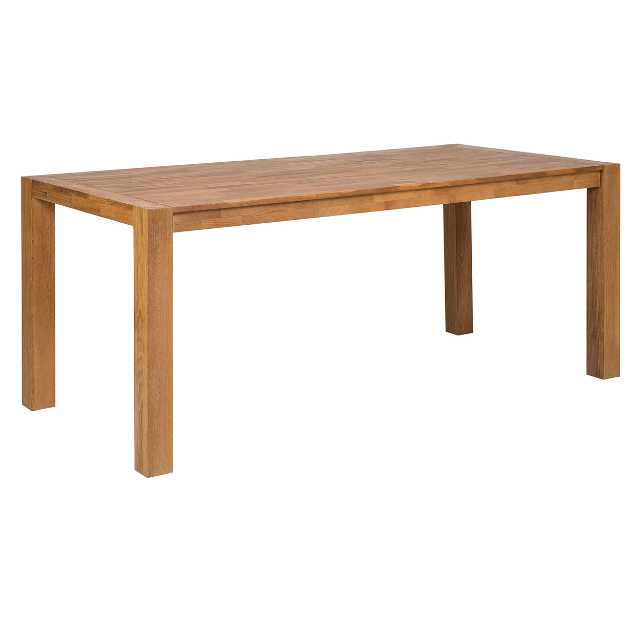
7 Smart Tips for Choosing a Dining Table for Small Rooms

The shape of a Dining Table can significantly affect how efficiently you use a small room. Rectangular tables work well in narrow spaces, while round and square tables can be useful where walking space is limited.

A round Dining Table can create a softer visual appearance and eliminate sharp corners. This makes it particularly practical for compact rooms where circulation around the furniture is important.

Consider Your Room Layout

Before selecting a Dining Table, examine the position of doors, windows, walls, and other furniture. The table should fit naturally into the room without blocking important pathways or making access difficult.

For narrow dining rooms, placing a rectangular table parallel to the longest wall can improve the flow of the space. In open-plan homes, position the table so it clearly defines the dining zone without separating it from the rest of the room.

Choose Practical Materials

Material affects both the appearance and durability of your Dining Table. Solid wood is a popular option because it provides a warm, natural appearance and can work with traditional, contemporary, or minimalist interiors.

When choosing wooden furniture, look for reliable construction, stable joints, and a durable finish. You can learn more about wood as a natural material through this trusted reference.

Pair It With the Right Chairs

A Dining Table should be selected together with its chairs rather than treated as a separate piece of furniture. Bulky chairs can consume valuable floor space even when the tabletop itself is compact.

  • Choose chairs with proportions that match the table.
  • Consider armless chairs for easier movement.
  • Use lightweight designs to maintain an open appearance.
  • Check the distance between the seat and tabletop.

Balance Style and Function

A small dining room does not mean you need to sacrifice style. A simple Dining Table with clean lines can make the room appear more spacious while providing a practical surface for everyday meals.

Light wood finishes, slim legs, and uncluttered silhouettes can help create a more open visual effect. If you prefer a classic look, carefully selected wooden details can add character without overwhelming the room.

Final Buying Tips

When choosing a Dining Table, prioritize proportions, comfort, durability, and the way the furniture works with your existing interior. A smaller table that fits the room properly is usually more useful than a larger table that restricts movement.

Before ordering, check the exact measurements and consider how many people normally use the table. For quality furniture options, visit WINDA TEAK N TEAK to explore suitable designs for different dining spaces.

The best Dining Table for a small room is one that combines practical dimensions with attractive design. With careful planning, even a compact dining area can become comfortable, functional, and welcoming.


Posted on — Leave a comment

7 Powerful Dining Chair Ideas for Modern Interior Design

Table of Contents

Dining Chair: 7 Powerful Ideas for Modern Interiors: dining chair modern interior ideas

A dining chair is more than a practical seat; it is an important visual element that can shape the atmosphere of a modern dining area. When natural wood is combined with woven cane, the result offers warmth, texture, ventilation, and a refined handcrafted character that works across many interior styles.

H2 Sourcing Certified Sustainable Teak for Global Hospitality Projects

The beauty of wooden cane furniture comes from its balance between solid structure and light visual detail. The wooden frame provides strength and warmth, while the cane back introduces an airy pattern that prevents the room from feeling heavy.

H2 Export Standards: Packaging and Shipping Logistics for B2B Orders

Why Choose a Dining Chair with Wooden Cane?

Modern interiors often combine clean lines with natural materials. A dining chair made from wood and cane fits this approach because it introduces organic texture without adding excessive ornamentation.

Cane also creates a subtle sense of openness. Its woven surface allows light and visual space to pass through, making it suitable for compact dining rooms, apartments, cafés, and contemporary hospitality settings.

Key advantages include:

  • Natural wood tones that complement neutral and earthy interiors
  • Woven cane details that add texture and visual lightness
  • An open back design that can improve perceived airflow
  • A versatile silhouette for residential and commercial spaces
  • A handcrafted appearance that adds character to modern rooms

How a Dining Chair Enhances Modern Interiors

A successful modern interior depends on proportion, material balance, and consistency. A wooden cane dining chair can connect hard architectural surfaces with softer features such as rugs, curtains, plants, and upholstered furnishings.

For minimalist rooms, choose a chair with a simple frame and restrained wood finish. In Japandi-inspired spaces, lighter timber and natural cane can reinforce a calm, functional character.

For warmer contemporary interiors, a richer wood tone can create contrast against cream walls, stone surfaces, or textured fabrics.

Comfort and Ergonomic Considerations

Style should never be the only consideration when selecting a dining chair. Seat height, back angle, seat depth, and overall proportions should support comfortable dining and conversation.

A well-designed wooden frame can provide structural support, while the woven cane back can offer a flexible surface. Buyers should review dimensions and construction quality before placing furniture in a high-use dining environment.

Important specifications to consider:

  • Seat height and table compatibility
  • Overall chair width and dining-space clearance
  • Frame construction and joint strength
  • Cane weaving consistency and finish
  • Seat material, cushioning, and maintenance requirements

Material Coordination for a Cohesive Room

One advantage of a natural dining chair is its ability to coordinate with many materials. Wood and cane can sit comfortably beside marble, terrazzo, ceramic tile, concrete, linen, cotton, leather, and contemporary finishes.

Try repeating one material elsewhere in the room for visual continuity. A timber dining table can echo the chair frame, while woven baskets or rattan lighting can subtly reinforce the cane texture.

In addition, the natural combination works well with changing décor because wood and cane are visually neutral. This makes the chair easier to retain when wall colors, table styles, lighting, or accessories are updated.

Maintenance and Long-Term Value

A dining chair with natural wood and cane requires practical care to maintain its appearance. Dust should be removed regularly, spills should be addressed promptly, and excessive moisture should be avoided around natural cane and unfinished wood.

Direct exposure to intense sunlight can affect some wood finishes and natural woven materials over time. Following the manufacturer’s care instructions can help preserve color, structure, and surface quality.

Why Choose WINDA TEAK N TEAK?

WINDA TEAK N TEAK focuses on furniture that combines natural materials, functional design, and timeless visual appeal. A carefully selected dining chair can support both aesthetic and practical requirements in contemporary residential and commercial interiors.

For additional background on cane and related natural materials, readers can explore a trusted reference source. For furniture inquiries and product information, visit WINDA TEAK N TEAK.

Conclusion

A dining chair made with natural wood and cane offers a practical way to introduce warmth, texture, and visual lightness into modern interior design. Its adaptable appearance allows it to work with minimalist, Japandi, contemporary, coastal, and transitional spaces.

For homeowners and commercial buyers, the best choice combines attractive proportions with reliable construction and appropriate maintenance. By balancing material, comfort, scale, and room style, wooden cane seating can remain an elegant feature for years.