Posted on Leave a comment

7 Best Tips for Choosing a High-Quality Coffee Table

Table of Contents

How to Choose a High-Quality Coffee Table
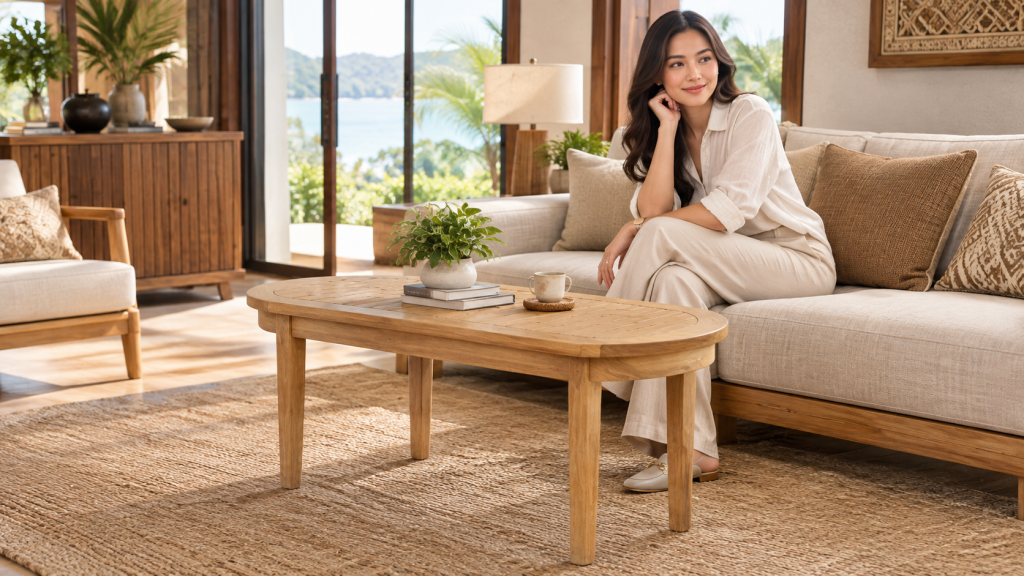
Choosing the right Coffee Table can significantly improve the comfort, functionality, and visual appeal of a living room. A well-made table should combine attractive design, durable materials, practical proportions, and craftsmanship that can withstand regular use.

Whether you are furnishing a private residence, hotel, resort, or interior project, understanding the key quality factors makes the buying process easier. The following guide explains what to look for before selecting a premium Coffee Table.

1. Choose the Right Material for Your Coffee Table

Material is one of the most important considerations when selecting a Coffee Table. Solid wood is popular because it offers natural character, substantial construction, and a timeless appearance that works well with different interior styles.

For buyers seeking furniture with a warm and authentic appearance, Indonesian wood furniture can provide distinctive grain patterns and handcrafted character. Material selection should also consider the intended environment, frequency of use, and maintenance requirements.

  • Solid wood for durability and natural character
  • Teak for distinctive grain and versatile applications
  • Engineered materials for selected contemporary designs
  • Mixed materials for modern and industrial interiors

2. Consider the Size and Proportion

A quality Coffee Table should be proportional to the surrounding furniture. A table that is too large can make the room feel crowded, while a table that is too small may look disconnected from the seating arrangement.

Measure the available floor area and consider the distance between the table and surrounding sofas or chairs. Adequate clearance makes movement easier and keeps the living room comfortable.

  • Measure the available floor space.
  • Compare the table height with the sofa seat.
  • Allow comfortable walking space around the table.
  • Consider the size of the seating arrangement.

3. Match the Coffee Table With Your Interior Design

Design should complement the existing interior rather than compete with it. A natural wooden Coffee Table can work particularly well with Scandinavian, contemporary, rustic, tropical, and hospitality-inspired interiors.

Consider the shape, color, wood grain, and finish before making a decision. Round tables can create a softer appearance, while rectangular designs can provide a structured look for larger seating arrangements.

4. Check Construction and Finishing Quality

Construction quality has a direct impact on furniture durability. When evaluating a Coffee Table, inspect the joints, tabletop stability, legs, surface finishing, and overall craftsmanship.

A carefully finished surface should feel smooth and consistent while preserving the natural character of the material. Strong joints and stable legs are also essential for reliable everyday performance.

5. Consider Functionality and Daily Use

A stylish Coffee Table should also serve a practical purpose. Think about how the table will be used, whether for serving beverages, displaying books and décor, supporting accessories, or organizing everyday living-room activities.

For commercial projects, functionality becomes even more important because furniture may experience frequent use. Select a design that balances visual appeal with practical performance and easy maintenance.

6. Choose a Reliable Furniture Supplier

For wholesalers, retailers, hospitality businesses, and interior designers, choosing a reliable supplier can simplify furniture sourcing. A professional supplier should be able to provide clear product information, consistent craftsmanship, suitable packaging, and communication for bulk orders.

WINDA TEAK N TEAK offers Indonesian furniture solutions for buyers seeking natural wood furniture with export-oriented quality. Visit our furniture website to explore additional furniture collections.

For general information about wood and its characteristics, buyers can also consult this trusted external source.

7. Make Quality the Priority

Ultimately, the best Coffee Table should provide a balanced combination of material quality, construction, proportions, design, and functionality. Focusing on these factors helps buyers choose furniture that remains attractive and useful over time.

For living rooms and commercial interiors, a well-crafted wooden table can become an important visual centerpiece. By carefully evaluating materials, dimensions, finishing, and supplier reliability, you can select a Coffee Table that delivers both lasting value and strong interior appeal.


Posted on Leave a comment

Modern Chair: 7 Inspiring Styles for Modern Living Spaces

Table of Contents

Modern Chair Styles That Transform Living Spaces

A Modern Chair can do more than provide a comfortable place to sit. The right design can introduce personality, improve functionality, and create a more balanced appearance throughout a living space.

From minimalist silhouettes to warm wooden designs, modern seating offers many possibilities for homes, hotels, offices, restaurants, and other interiors. Understanding different styles makes it easier to select furniture that matches both your design preferences and practical needs.

1. Minimalist Modern Chair

A minimalist Modern Chair focuses on clean lines, simple shapes, and visual balance. It works particularly well in contemporary rooms where unnecessary decorative elements are kept to a minimum.

Neutral upholstery, streamlined frames, and uncluttered profiles can make a room feel more spacious. This style is also easy to combine with modern tables, shelves, lighting, and other furniture.

2. Accent Modern Chair

An accent chair can become a focal point in a living room, bedroom, reception area, or reading corner. A distinctive Modern Chair with an interesting silhouette or refined upholstery can add character without overwhelming the entire interior.

Consider using a contrasting material, texture, or color when you want the chair to attract attention. For a more cohesive look, match one design element with existing furniture or decorative accessories.

3. Wooden Modern Chair

A wooden Modern Chair combines contemporary proportions with the natural appeal of timber. Wood can introduce warmth and texture, making this style suitable for interiors that need a comfortable and welcoming atmosphere.

Well-crafted wooden frames can also provide excellent visual durability. When selecting wooden furniture, consider the wood species, construction quality, finish, and maintenance requirements.

  • Natural wood creates warmth and texture.
  • Solid construction supports long-term use.
  • Different finishes can complement various interiors.
  • Wood pairs easily with fabric, leather, and other materials.

4. Upholstered Modern Chair

An upholstered Modern Chair is an excellent choice when comfort is a major priority. Fabric, leather, or other upholstery materials can provide a softer seating experience while adding visual sophistication.

Upholstery also offers opportunities to experiment with texture and color. For busy commercial spaces, choose durable materials that are appropriate for frequent use and easy maintenance.

5. Modern Lounge Chair

A modern lounge chair is designed for relaxation while maintaining a refined appearance. Its deeper seat, supportive backrest, and generous proportions make it suitable for reading areas, living rooms, hotel lounges, and executive spaces.

When choosing a lounge design, pay attention to ergonomics as well as appearance. The chair should provide appropriate back support and enough room for comfortable sitting without making the room feel crowded.

6. Modern Dining Chair

A Modern Chair designed for dining areas should balance comfort, durability, and proportion. The chair needs to work naturally with the dining table while leaving sufficient space for movement.

For restaurants and hospitality projects, consistency is equally important. Matching chair designs can create a professional visual identity, while carefully selected materials can support long-term commercial use.

7. How to Choose the Right Modern Chair Style

Before purchasing a Modern Chair, evaluate the room, intended use, available space, and existing furniture. A beautiful chair may not be the right choice if its dimensions or construction do not suit the environment.

  • Measure the space: Check width, depth, and available clearance.
  • Consider comfort: Look at seat height, cushioning, and back support.
  • Review materials: Select materials appropriate for indoor or commercial use.
  • Match the interior: Consider color, texture, shape, and surrounding furniture.
  • Check construction: Look for reliable joinery and quality finishing.

It is also useful to consider how the chair contributes to the overall interior concept. Contemporary furniture generally emphasizes function, clean forms, and thoughtful material selection, principles that can help create a cohesive room.

For more background on modern design concepts, explore this trusted reference on modernism. You can also explore furniture options and design inspiration at WINDA TEAK N TEAK.

Ultimately, the best Modern Chair is one that combines visual appeal with practical performance. By comparing minimalist, accent, wooden, upholstered, lounge, and dining styles, you can select seating that transforms your living space while supporting everyday comfort.

Posted on Leave a comment

7 Smart Tips for Choosing the Best Single Sofa for Your Space

Table of Contents

Single Sofa Buying Guide: Materials, Comfort, and Design

Choosing a Single Sofa requires more than simply selecting an attractive piece of furniture. Materials, comfort, construction quality, dimensions, and design all influence how well a sofa performs in a home, office, hotel, or hospitality environment.

A well-selected sofa should balance visual appeal with practical performance. Buyers should consider how often it will be used, who will use it, and how well its style complements the surrounding interior.

Choosing the Right Single Sofa Materials

The material is one of the most important factors when purchasing a Single Sofa. A solid wooden frame can provide stability, while quality upholstery contributes to comfort and creates the desired visual character.

Common upholstery options include fabric, leather, and synthetic materials. Fabric can offer a warm and comfortable appearance, while leather and synthetic upholstery may provide a more refined look and easier maintenance.

Consider these material factors before buying:

  • Frame strength and construction
  • Upholstery durability
  • Ease of cleaning and maintenance
  • Resistance to everyday wear
  • Compatibility with the intended environment

Checking Single Sofa Comfort

Comfort should always be a priority when choosing a Single Sofa. The seat should provide adequate support without feeling excessively firm or too soft for regular use.

Pay attention to seat depth, cushion thickness, backrest height, and armrest positioning. For offices, lounges, and reception areas, ergonomic proportions can make a significant difference during extended periods of sitting.

If possible, test the sofa before purchasing. For general information about furniture and related terminology, buyers can also consult this trusted reference source.

Selecting the Best Single Sofa Design

The design of a Single Sofa should complement the room rather than compete with other furniture. Modern interiors often benefit from clean silhouettes, neutral upholstery, and simple details.

Classic interiors may work better with carved wooden elements, rounded arms, or decorative upholstery. For commercial spaces, choose a design that reflects the brand identity while remaining practical for everyday visitors.

Useful design considerations include:

  • Color and upholstery texture
  • Frame and leg style
  • Overall shape and proportions
  • Room decoration and existing furniture
  • Intended interior style

Finding the Right Single Sofa Size

A beautiful Single Sofa can still be unsuitable if its dimensions do not match the available space. Measure the room, doorway, hallway, and intended placement area before confirming an order.

Leave enough clearance around the sofa for comfortable movement. In smaller rooms, a compact silhouette with exposed legs can create a lighter visual appearance and help maintain an open atmosphere.

Evaluating Quality and Durability

When investing in a Single Sofa, inspect the frame, joints, cushions, upholstery, and finishing details. Strong construction is especially important for furniture placed in busy commercial environments such as hotels, restaurants, offices, and waiting areas.

Ask about manufacturing specifications, material options, and maintenance requirements. A reputable furniture supplier should be able to explain how the product is constructed and which materials are used.

You can explore furniture solutions and product information through WINDA TEAK N TEAK.

Making the Final Choice

The best Single Sofa is one that combines comfort, durability, appropriate dimensions, and a design that suits the intended space. Avoid choosing based solely on appearance or price because long-term usability is equally important.

Before purchasing, compare materials, construction, dimensions, upholstery, and maintenance requirements. For buyers furnishing multiple rooms or commercial properties, consistency in design and reliable quality can also help create a professional interior.

A thoughtful buying process makes it easier to find a Single Sofa that delivers both style and practical value. Whether used as an accent chair alternative, a lounge seat, or part of a hospitality setting, the right sofa can enhance comfort and improve the overall character of an interior.

Posted on Leave a comment

7 Best Modern TV Stand Ideas for Stylish, Functional Interiors

Table of Contents

Modern TV Stand Ideas for Stylish and Functional Interiors

A TV Stand is more than a practical surface for your television. With the right design, it can become an attractive focal point that improves organization, complements surrounding furniture, and creates a more comfortable entertainment area.

Modern interiors increasingly favor furniture that combines clean aesthetics with everyday functionality. A well-designed TV Stand can help create visual balance while providing useful storage for media equipment, books, accessories, and decorative items.

1. Choose a Minimalist TV Stand

A minimalist TV Stand is an excellent choice for contemporary living rooms because it emphasizes clean lines, simple proportions, and an uncluttered appearance. This style works particularly well in apartments and modern homes where every furniture piece needs to contribute to a cohesive interior.

Choose a design with a streamlined silhouette and limited decorative details. Neutral finishes can also make the furniture easier to coordinate with sofas, coffee tables, rugs, and other interior elements.

2. Add Warmth with a Wooden TV Stand

A wooden TV Stand can introduce natural warmth and texture into an otherwise modern space. Wood works beautifully with neutral upholstery, natural fabrics, indoor plants, and minimalist decorative accessories.

For buyers looking for furniture with an authentic character, Indonesian craftsmanship offers attractive options for residential and commercial interiors. Natural wood furniture can also create a welcoming atmosphere without sacrificing contemporary style.

3. Prioritize Smart Storage

Functionality should be considered alongside appearance when selecting a TV Stand. Storage compartments can keep remote controls, gaming accessories, books, speakers, and media devices organized while reducing visible clutter.

Consider a TV Stand with doors, drawers, or open shelving based on your storage requirements. Enclosed compartments are ideal for maintaining a clean appearance, while open shelves can display books, artwork, plants, or carefully selected decorative objects.

  • Enclosed storage helps hide everyday clutter.
  • Open shelves provide space for decorative displays.
  • Multiple compartments can organize entertainment equipment.
  • A balanced layout helps maintain a clean visual appearance.

4. Consider a Floating TV Stand

A floating TV Stand can create a light and contemporary visual effect. By keeping the floor area more open, this style can make smaller rooms feel less crowded and easier to clean.

Floating designs are particularly effective in minimalist interiors with wall-mounted televisions. Before installation, make sure the wall structure and mounting system are suitable for the furniture and equipment involved.

5. Create a Balanced Entertainment Area

The best TV Stand should work together with the rest of the room rather than appear disconnected. Consider the television size, sofa position, wall proportions, lighting, and surrounding furniture before finalizing your layout.

A wider cabinet can visually anchor a large television, while a compact design may be more appropriate for a smaller room. Leave sufficient circulation space around the furniture so the entertainment area remains comfortable and functional.

6. Use a TV Stand in Commercial Interiors

A TV Stand can also be valuable for hospitality and commercial projects. Hotels, serviced apartments, villas, property developments, showrooms, and interior design projects can benefit from furniture that combines attractive presentation with practical storage.

For B2B buyers, consistency is especially important. Consider materials, dimensions, finish quality, durability, maintenance requirements, and the overall furniture collection when selecting products for multiple rooms or properties.

For general background on furniture and materials, explore this trusted external source. For furniture collections and project inquiries, visit WINDA TEAK N TEAK.

7. Choose the Right TV Stand for Your Space

Selecting the right TV Stand starts with accurate measurements. Measure the television, available wall width, viewing distance, and floor area before making a purchase.

  • Check the overall width and height of the furniture.
  • Consider the size and weight of the television.
  • Review storage requirements for entertainment equipment.
  • Match the material and finish with your existing interior.
  • Allow enough space for ventilation around electronic devices.
  • Choose a design that supports your preferred interior style.

A quality TV Stand should offer a combination of visual appeal, practical functionality, and reliable construction. Instead of choosing furniture based only on appearance, consider how it will be used every day and how well it complements the room.

Final Thoughts

The right TV Stand can transform an ordinary entertainment area into a stylish, organized, and functional part of your interior. From minimalist and wooden designs to storage-focused and floating solutions, there are many ways to create a setup that reflects your style.

For homeowners, designers, retailers, and hospitality buyers, choosing furniture with both aesthetic and practical value can deliver long-term benefits. Explore modern Indonesian furniture options and select a TV Stand that brings together quality craftsmanship, smart functionality, and timeless design.

Posted on Leave a comment

7 Powerful Bar Chair Buying Tips for Restaurant & Café Buyers

Bar Chair Buying Guide: 7 Smart Tips for Restaurants and Cafés

Table of Contents

Choosing the right Bar Chair can significantly improve the comfort, appearance, and functionality of a restaurant or café. For commercial spaces, furniture must combine attractive design with durability and practical performance.

A successful purchase should consider seating height, materials, construction quality, maintenance, and overall interior style. This guide explains seven practical points to help restaurant and café owners make a confident furniture decision.

1. Define Your Restaurant Needs

Start by identifying where the seating will be used. A Bar Chair for a busy café counter may require different specifications from chairs used in a premium cocktail bar, hotel lounge, or casual restaurant.

  • Measure the available seating area.
  • Determine expected daily usage.
  • Consider indoor or covered outdoor placement.
  • Identify your preferred seating capacity.

Understanding these requirements helps prevent unsuitable purchases and makes it easier to compare different commercial furniture options.

2. Check Height and Dimensions

Correct dimensions are essential for customer comfort. The Bar Chair should provide an appropriate relationship between seat height and the counter or table height.

Measure the counter before ordering and allow enough legroom between the seat and tabletop. Also check the overall width so multiple chairs can be positioned comfortably without making the space feel crowded.

3. Prioritize Comfort and Durability

Restaurant customers may sit for extended periods, making ergonomic comfort an important consideration. A well-designed Bar Chair should provide stable support and a comfortable seating position.

Durability is equally important because commercial furniture experiences frequent use. Look for solid construction, reliable joints, stable legs, and finishes that can withstand regular cleaning and everyday wear.

4. Select Suitable Materials

Material selection affects appearance, durability, maintenance, and overall cost. Solid wood can create a warm and premium atmosphere, while metal and upholstered combinations may suit contemporary commercial interiors.

For businesses seeking a natural character, teak is an attractive option because of its distinctive grain and established reputation as a durable hardwood. Learn more about teak through this trusted reference.

  • Solid wood: warm, natural, and timeless.
  • Metal: modern and suitable for industrial interiors.
  • Upholstery: adds softness and visual comfort.
  • Mixed materials: offers flexibility for contemporary designs.

5. Match Your Interior Style

Furniture should support the restaurant’s overall visual identity. A wooden Bar Chair can complement rustic, tropical, Scandinavian, classic, or modern interiors depending on its shape and finish.

Consider the relationship between seating, counters, tables, lighting, flooring, and wall finishes. Consistent design creates a more polished environment and can strengthen the customer’s overall impression of the venue.

6. Consider Maintenance Requirements

Commercial furniture needs to remain presentable despite frequent customer use. Choose finishes that are practical to clean and establish a simple maintenance routine from the beginning.

Regularly inspect joints, screws, footrests, and protective finishes. Prompt maintenance can help extend the service life of a Bar Chair and reduce unexpected replacement costs.

7. Evaluate Long-Term Value

Price should not be the only factor when purchasing commercial seating. Compare construction quality, expected lifespan, maintenance needs, design consistency, and supplier reliability to understand the true value of each option.

A high-quality Bar Chair can support a professional restaurant environment for years when properly selected and maintained. Buying from an experienced furniture supplier can also simplify customization, bulk ordering, and project requirements.

For Indonesian teak furniture solutions, explore WINDA TEAK N TEAK to discover furniture options suitable for hospitality and commercial interiors.

Final Buying Checklist

Before placing an order, review the essential specifications and compare them with your restaurant’s operational needs. A simple checklist can help you avoid costly mistakes.

  • Correct counter-to-seat height
  • Stable and durable construction
  • Suitable material and finish
  • Comfortable seating design
  • Easy maintenance requirements
  • Interior style compatibility
  • Reliable supplier and consistent quality

Ultimately, the best Bar Chair is one that balances comfort, durability, aesthetics, and commercial practicality. By evaluating these seven factors carefully, restaurants and cafés can create attractive seating areas while making a smarter long-term furniture investment.

Posted on Leave a comment

7 Nightstands tips: the ultimate guide to choosing the right one

Table of Contents

7 Tips for Choosing the Best Nightstand for Your Bedroom

A Nightstand is more than a small table beside your bed. The right design can provide convenient storage, complement your bedroom furniture, and keep essential items within easy reach.

When buying a Nightstand, consider more than appearance. Materials, dimensions, construction, storage, and overall style should all work together to create a practical and attractive bedroom setup.

1. Choose the Right Nightstand Materials

The material affects the appearance, durability, maintenance, and overall character of your furniture. Solid wood is a popular option because it offers natural beauty and a strong, timeless appearance.

Teak wood is especially appealing for buyers who want distinctive grain patterns and durable furniture. Learn more about wood as a natural material from this trusted reference.

  • Solid wood: durable and naturally attractive.
  • Teak wood: distinctive grain and excellent longevity.
  • Engineered wood: practical and often budget-friendly.
  • Metal: suitable for contemporary and industrial interiors.

2. Match the Nightstand With Your Bedroom Style

A well-chosen Nightstand should complement the bed, wardrobe, dresser, and other furniture in the room. Matching every piece exactly is not necessary, but maintaining a consistent visual direction creates a more balanced interior.

For traditional bedrooms, consider warm wood finishes and classic details. Modern rooms may benefit from clean lines, simple silhouettes, and minimal decoration, while rustic interiors work beautifully with natural textures.

3. Consider Storage and Organization

Think about what you normally keep beside your bed. Books, glasses, charging cables, lamps, and personal items may require drawers, shelves, or a combination of both.

A Nightstand with drawers can hide smaller belongings and keep the bedroom looking tidy. Open shelves are useful when you want frequently used items to remain accessible and visible.

  • Drawers for personal belongings.
  • Open shelves for books and decorative items.
  • Tabletop space for lamps and everyday essentials.
  • Cable-friendly designs for convenient device charging.

4. Look for Practical Nightstand Features

Useful features can make everyday furniture much more convenient. Depending on your needs, look for smooth drawer movement, sturdy handles, stable legs, and surfaces that are easy to maintain.

If you regularly use electronic devices beside the bed, consider a design that provides enough tabletop space for a phone, lamp, or charging accessories without feeling crowded.

5. Get the Size and Height Right

The ideal Nightstand should work comfortably with your bed. A tabletop that is approximately level with the mattress is generally convenient because it allows you to reach items without excessive stretching.

Measure the available floor space before purchasing. Remember to leave enough room around the furniture for comfortable movement, cleaning, and opening drawers.

  • Measure the available width beside the bed.
  • Compare the table height with your mattress.
  • Check drawer and door clearance.
  • Leave comfortable walking space around the furniture.

6. Check Construction and Overall Quality

Good furniture should feel stable and well constructed. Examine the joints, legs, drawer mechanisms, surface finish, and overall balance before making a purchasing decision.

For wooden furniture, pay attention to the grain, finishing quality, and craftsmanship. A carefully constructed piece can remain functional and attractive for many years with appropriate care.

7. Prioritize Long-Term Value

The best Nightstand is not necessarily the cheapest option. Consider how well the furniture fits your bedroom, how often you will use it, and whether its materials and construction justify the investment.

Choosing timeless designs can also provide better long-term value because they are easier to coordinate with changing bedroom decor. Quality furniture can become a practical part of your interior rather than a short-term purchase.

Final Nightstand Buying Tips

Before ordering, review your measurements, preferred material, storage requirements, bedroom style, and budget. A thoughtful selection process helps ensure that your new Nightstand looks attractive while serving a useful everyday purpose.

For natural wooden furniture and timeless designs, explore the collection from WINDA TEAK N TEAK. The right Nightstand can add both functionality and character to a well-designed bedroom.

Posted on Leave a comment

7 Best Tips for Choosing the Perfect TV Stands for Your Living Room

Table of Contents

7 Best Tips for Choosing the Perfect TV Stands

TV Stands are an important part of a well-designed living room because they combine television support, storage, and visual appeal. Choosing the right TV Stands can make your entertainment area more comfortable, organized, and attractive.

With many furniture styles, sizes, and materials available, selecting the right option requires more than simply choosing a design you like. Consider your television size, room dimensions, storage needs, interior style, and long-term furniture quality before making a decision.

1. Consider the Right Size

The first step when choosing TV Stands is checking the available space. Measure the television and the wall or floor area where the stand will be positioned to ensure the furniture fits comfortably.

A TV stand that is too small may look unbalanced, while an oversized unit can make a living room feel crowded. Ideally, the furniture should provide enough visual width and stability for the television while leaving sufficient circulation space.

  • Measure the television before purchasing furniture.
  • Check the available wall and floor dimensions.
  • Leave comfortable space around the furniture.
  • Consider future television upgrades when practical.

2. Match TV Stands with Your Interior Style

Your choice of TV Stands should complement the existing furniture. Modern interiors may benefit from clean lines and minimalist details, while natural or traditional spaces can work well with warm wood finishes and textured elements.

Matching materials, colors, and proportions helps create a cohesive living room. Instead of treating the TV area as a separate zone, make it visually connected to your sofa, coffee table, shelving, and other furniture.

3. Check Your Storage Requirements

Good TV Stands can help keep entertainment areas organized. Consider whether you need space for media players, gaming consoles, remote controls, books, decorative objects, or other accessories.

Cabinet doors, drawers, and open compartments each provide different organizational benefits. Choose a configuration based on the equipment you actually use rather than selecting storage simply because it looks attractive.

  • Open shelves for frequently used devices
  • Closed cabinets for reducing visual clutter
  • Drawers for small accessories and remotes
  • Dedicated space for entertainment equipment

4. Choose Durable Materials

Material quality directly affects the appearance and longevity of TV Stands. Wooden furniture can add warmth and character to an interior while offering a versatile foundation for different design concepts.

When evaluating materials, look at construction quality, surface finishing, joints, hardware, and overall stability. For general information about wood as a material, you can also explore this trusted external source.

5. Pay Attention to Height

The height of TV Stands can influence both comfort and visual balance. The television should be positioned at a comfortable viewing level based on the seating arrangement and typical viewing position.

Measure the sofa height and consider where viewers naturally look when seated. A properly proportioned TV stand can make the entertainment area feel more comfortable while improving the overall composition of the room.

6. Prioritize Quality Construction

Investing in well-constructed TV Stands can provide better long-term value. Pay attention to sturdy frames, secure hardware, smooth surfaces, stable legs, and carefully finished details.

For residential and commercial projects, consistent furniture quality is especially important. Reliable construction helps furniture remain functional and visually appealing through everyday use.

7. Balance Function and Appearance

The best TV Stands combine practical functionality with attractive design. A beautiful piece of furniture should still provide appropriate support, useful storage, and easy access to entertainment equipment.

Consider how the stand will work with the rest of your living room before making a final choice. A balanced design can become an attractive focal point without competing with the sofa, artwork, lighting, or other decorative elements.

  • Choose a design that complements existing furniture.
  • Prioritize useful storage over unnecessary features.
  • Look for stable and well-finished construction.
  • Consider everyday cleaning and maintenance.

Make the Right TV Stands Choice

Selecting the right TV Stands is an opportunity to improve both the functionality and appearance of your living room. By considering size, style, storage, material, height, construction, and usability, you can find furniture that suits your space and lifestyle.

For homeowners, interior designers, hospitality businesses, and furniture buyers, these considerations can also help create more cohesive and practical interiors. Explore furniture solutions from WINDA TEAK N TEAK through our furniture collection.

Ultimately, the perfect TV Stands should feel like a natural part of the room. Choose thoughtfully, prioritize quality, and select a design that delivers lasting visual appeal and practical value.

Posted on Leave a comment

7 Best Tips for Choosing a Durable Garden Chair

Table of Contents

How to Choose a Durable Garden Chair for Outdoor Use

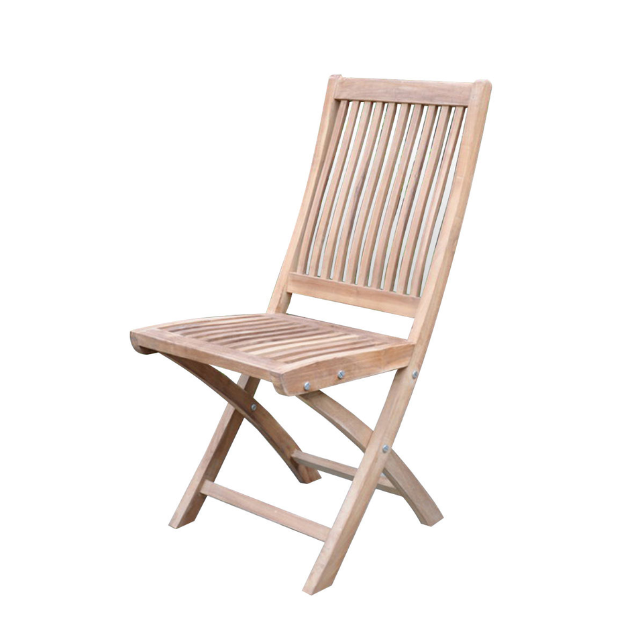
A Garden Chair is an important part of any comfortable outdoor area. Whether you are furnishing a private garden, patio, café, restaurant, resort, or hospitality space, choosing a durable chair can provide better long-term value.

Outdoor furniture faces sunlight, humidity, rain, temperature changes, and frequent use. For this reason, buyers should evaluate the material, construction, comfort, maintenance, and overall design before making a purchase.

1. Choose the Right Garden Chair Material

Material is one of the first factors to consider when selecting a Garden Chair. Different materials offer different combinations of strength, appearance, maintenance requirements, and outdoor suitability.

  • Solid wood offers a warm and natural appearance.
  • Teak is widely valued for outdoor furniture applications.
  • Metal can provide a strong and contemporary appearance.
  • Plastic or synthetic materials can offer lightweight handling.

For buyers who prefer natural furniture, teak wood can be an attractive option. Its distinctive grain and warm appearance can complement gardens, terraces, patios, and other outdoor environments.

2. Check Garden Chair Construction

A durable Garden Chair should have a construction that feels stable and well-balanced. Examine the joints, legs, frame, backrest, and connection points to ensure the chair is designed for regular use.

For commercial buyers, construction quality becomes even more important because chairs may be used repeatedly throughout the day. A stable structure can help improve the overall experience for customers and guests.

3. Prioritize Comfort and Ergonomics

Durability is important, but comfort should not be overlooked. A well-designed Garden Chair should provide appropriate support for the back and allow users to sit comfortably during meals, conversations, or relaxation.

  • Check the height of the seat.
  • Look for supportive backrest proportions.
  • Consider the width and depth of the seating area.
  • Choose a design suitable for the intended activity.

If chairs will be used around an outdoor dining table, make sure the proportions work well with the table height. Good coordination can make the entire outdoor seating area more practical.

4. Consider Weather Resistance

An outdoor Garden Chair should be selected with the local climate in mind. Strong sunlight, rain, humidity, and changing temperatures can affect outdoor furniture over time.

Even durable materials benefit from appropriate care and protection. When possible, place furniture in suitable locations and use covers or sheltered storage during severe weather conditions.

5. Look at Maintenance Requirements

Before purchasing a Garden Chair, consider how much maintenance you are willing to perform. Simple cleaning and routine inspection can help preserve the furniture’s appearance and usability.

  • Clean dirt and debris regularly.
  • Follow the manufacturer’s recommended care instructions.
  • Inspect joints and structural components periodically.
  • Protect furniture from prolonged exposure to extreme conditions.

For natural wooden furniture, maintenance requirements may depend on the specific wood species and finish. Buyers can learn more about wood and related materials from this external reference.

6. Match Style With Your Outdoor Space

A durable Garden Chair should also complement the visual character of the surrounding area. Modern, minimalist, classic, rustic, and tropical furniture styles can create very different outdoor atmospheres.

Consider the existing table, flooring, plants, architectural elements, and overall color palette. A coordinated furniture arrangement can make a garden or hospitality area look more professional and inviting.

7. Choose Quality From a Trusted Supplier

The supplier you choose can influence the consistency, craftsmanship, and overall value of your furniture. For residential and B2B projects, work with a furniture supplier that understands material selection and outdoor furniture requirements.

WINDA TEAK N TEAK provides Indonesian furniture solutions for customers seeking distinctive designs and practical furniture for various spaces. A carefully selected Garden Chair can become a valuable part of residential gardens, cafés, restaurants, resorts, and hospitality projects.

Explore more furniture options by visiting WINDA TEAK N TEAK and discover furniture solutions for your next project.

Ultimately, choosing the right Garden Chair requires more than focusing on appearance alone. Evaluate the material, construction, comfort, climate suitability, maintenance, design, and supplier reputation to make a confident purchasing decision.

Posted on Leave a comment

7 Tips to Choose Durable Sun Loungers for Poolside Areas

Table of Contents

7 Tips for Choosing Durable Sun Loungers

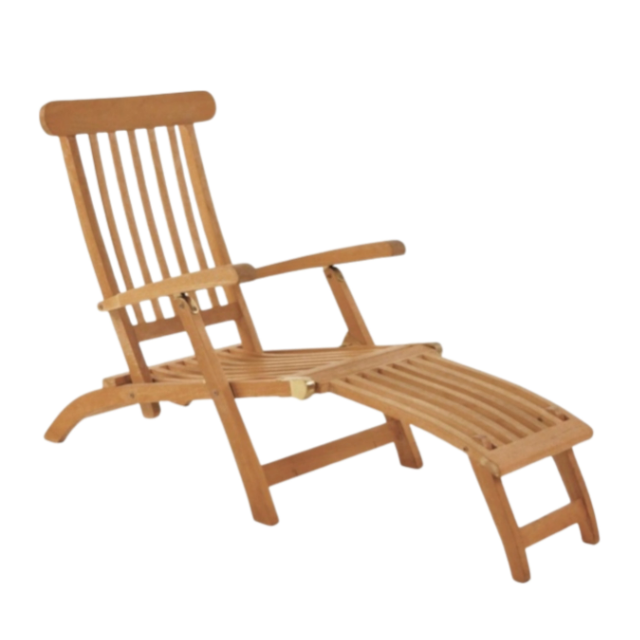
Sun Loungers are essential for creating comfortable and attractive poolside areas in hotels, resorts, villas, and private properties. However, choosing outdoor loungers requires more than comparing styles because constant exposure to sunlight, moisture, and frequent use can affect furniture performance.

A durable poolside lounger should balance material quality, structural strength, comfort, maintenance requirements, and overall appearance. The following tips can help hospitality businesses and furniture buyers select suitable products for long-term outdoor use.

1. Check Sun Loungers Materials Carefully

Material selection is one of the most important factors when purchasing Sun Loungers. Outdoor furniture can be exposed to strong sunlight, humidity, splashes, and changing weather conditions, so the material should match the intended environment.

Solid wood can provide natural character, warmth, and a premium appearance, while aluminum offers a lightweight alternative. Synthetic woven materials may also be suitable when buyers prioritize weather-resistant surfaces and easy maintenance.

  • Consider the climate where the loungers will be installed.
  • Check the quality and consistency of the material.
  • Ask about recommended outdoor maintenance.
  • Choose materials that match the project’s design concept.

2. Inspect Sun Loungers Frame Construction

A strong frame is essential for comfortable and reliable outdoor furniture. When evaluating Sun Loungers, inspect joints, connections, legs, reclining mechanisms, and overall frame stability.

For commercial projects, construction quality becomes especially important because furniture may be used repeatedly throughout the day. A well-constructed frame can provide better support and help maintain its shape during regular operation.

3. Evaluate Sun Loungers Finish and Protection

The finish can influence both appearance and maintenance. Quality finishing helps enhance the natural character of wooden Sun Loungers while providing an additional layer of protection appropriate for the intended environment.

Ask the supplier about finishing specifications and recommended care procedures before purchasing. Buyers should also understand whether the product is designed for covered outdoor areas or more exposed poolside locations.

4. Prioritize Sun Loungers Comfort and Design

Durability should never come at the expense of guest comfort. The best Sun Loungers should have proportions that support relaxed seating and provide a practical position for reading, resting, or enjoying the poolside environment.

Consider backrest positioning, seat dimensions, armrest design, cushion compatibility, and reclining options. A comfortable lounger can contribute to a more enjoyable guest experience and improve the overall impression of a hospitality space.

5. Choose Sun Loungers That Are Easy to Maintain

Poolside furniture requires regular cleaning because it may come into contact with water, sunscreen, dust, and outdoor debris. Easy-care Sun Loungers can reduce daily maintenance work for hotel and resort staff.

  • Follow the manufacturer’s cleaning recommendations.
  • Remove dirt and spills promptly.
  • Store or cover furniture when appropriate.
  • Inspect hardware and joints regularly.
  • Refresh protective finishes according to supplier guidance.

For general information about wood as a natural material, buyers can consult this trusted wood reference.

6. Consider Sun Loungers for Commercial Poolside Areas

Hotels, resorts, and hospitality businesses should evaluate furniture based on both aesthetics and operational requirements. Sun Loungers should fit available space while allowing guests and staff to move comfortably around the pool.

For larger projects, buyers should also discuss bulk quantities, packaging, dimensions, customization, finishing options, lead times, and shipping requirements with the supplier. These details can influence the efficiency of the entire procurement process.

Consistent furniture design can also strengthen a property’s visual identity. Matching loungers with outdoor tables, umbrellas, cushions, and other furniture can create a cohesive poolside atmosphere.

7. Compare Sun Loungers Before Ordering

Before placing an order, create a simple comparison checklist for your preferred Sun Loungers. Reviewing multiple specifications can help prevent decisions based solely on appearance or initial purchase cost.

  • Material: Confirm construction and outdoor suitability.
  • Frame: Check stability, joints, and hardware.
  • Finish: Review protection and maintenance requirements.
  • Comfort: Evaluate dimensions and reclining functionality.
  • Maintenance: Confirm cleaning and care procedures.
  • Supplier: Discuss quality control, packaging, and delivery.

For buyers sourcing Indonesian outdoor furniture, visit WINDA TEAK N TEAK to explore furniture solutions suitable for hospitality and outdoor projects.

Ultimately, durable Sun Loungers should combine strong construction, appropriate materials, comfortable design, and practical maintenance. By evaluating these factors carefully, hotels, resorts, villas, and commercial property owners can choose poolside furniture that supports both guest satisfaction and long-term value.

Posted on Leave a comment

Single Sofa vs Armchair 2026: Best Choice for Your Space?

Table of Contents

Single Sofa vs Armchair: Which Is Better?

Choosing the right seating can change how a room feels and functions. A Single Sofa and an armchair may both provide comfortable individual seating, but they offer different proportions, visual impact, and layout possibilities.

Understanding the Main Differences

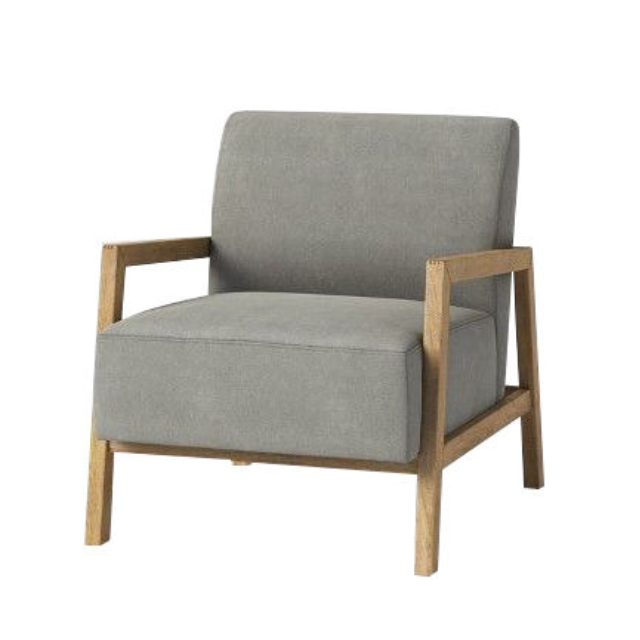
A Single Sofa is typically designed as a compact upholstered seat with a sofa-like profile. It can feel more substantial than a traditional armchair while still occupying less space than a two- or three-seat sofa.

An armchair usually has a more defined chair silhouette, often with prominent arms and a deeper individual seating position. The choice between the two depends on available floor area, interior style, intended use, and the atmosphere you want to create.

Single Sofa: Key Advantages

One major advantage of a Single Sofa is its balance between comfort and visual presence. It can become an attractive focal point without overwhelming a small living room, bedroom corner, reception area, or reading space.

This seating option can also work well in hospitality and commercial interiors. Several matching pieces can be positioned around a coffee table or arranged across a lounge to create a coordinated seating plan.

  • Creates a relaxed, sofa-inspired seating experience.
  • Works well as a standalone accent piece.
  • Can be grouped with matching furniture for larger layouts.
  • Offers flexibility for residential and commercial interiors.

Single Sofa: Potential Drawbacks

The main limitation is that this design can require more floor space than a compact armchair. If your room is extremely narrow or already contains several furniture pieces, its wider proportions may make circulation feel restricted.

It may also look visually heavier in a minimalist room. Careful measurement is therefore important before selecting the piece.

Armchair: Key Advantages

An armchair is a classic choice for individual seating and is often easy to position. Its recognizable shape can add character to a room while providing a dedicated place for reading, relaxing, or conversation.

Armchairs are especially useful when space efficiency matters. They can fit beside a side table, near a window, or in a corner that would not accommodate a larger seating unit.

  • Often provides a compact footprint.
  • Easy to move and reposition.
  • Fits naturally into reading corners and bedrooms.
  • Available in many traditional and contemporary designs.

Armchair: Potential Drawbacks

An armchair may have less visual presence than this sofa style, particularly in a large room. Some designs can also feel more formal, depending on their proportions, upholstery, and arm shape.

If you want a softer lounge atmosphere or plan to use several matching seats, this sofa style may offer a more cohesive solution.

Single Sofa vs Armchair: Which Is Better?

There is no universal winner because the best option depends on the room and its purpose. Choose a Single Sofa when you want a stronger lounge feel, generous proportions, and a statement piece that can anchor a seating arrangement.

Choose an armchair when you prioritize compact placement, easy movement, and a clearly defined personal seat. For smaller rooms, an armchair can make circulation easier, while the sofa option may be better when comfort and visual balance are the priorities.

What to Consider Before Buying

Before choosing either option, evaluate the dimensions of the room and the furniture already inside it. Measure width, depth, height, doorways, and walking paths to avoid a piece that feels oversized after installation.

Also consider:

  • Available floor space and circulation.
  • Desired comfort level and seating posture.
  • Upholstery, color, and overall interior style.
  • Frame materials and expected durability.
  • Residential, hospitality, office, or commercial use.
  • Whether one piece or multiple matching seats are needed.

Matching Seating With Your Interior

This seating design can complement modern, contemporary, minimalist, and natural interiors, especially when paired with wood accents and neutral upholstery. An armchair can create a similar effect but may provide a sharper or more traditional visual statement depending on its design.

For a cohesive furniture project, consider material consistency across tables, cabinets, and seating. You can explore additional furniture options from WINDA TEAK N TEAK.

Final Verdict

When comparing both options, focus on how each piece supports your space rather than choosing based only on appearance. A Single Sofa is a strong choice for comfortable lounge-focused interiors, while an armchair is excellent for compact, flexible seating.

For more background on furniture materials and wood, visit this external reference. Ultimately, the right choice is the one that fits your measurements, comfort expectations, design goals, and daily use.