
Posted on Leave a comment

7 Best Tips for Choosing a Durable Garden Chair

Table of Contents

How to Choose a Durable Garden Chair for Outdoor Use
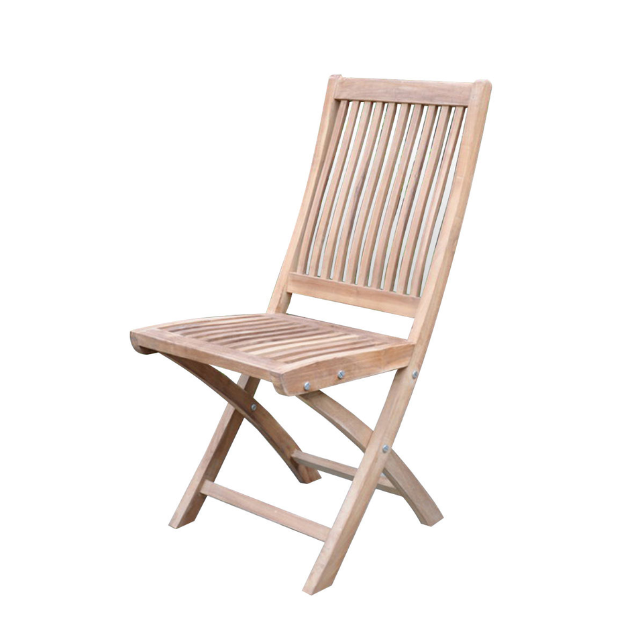
A Garden Chair is an important part of any comfortable outdoor area. Whether you are furnishing a private garden, patio, café, restaurant, resort, or hospitality space, choosing a durable chair can provide better long-term value.

Outdoor furniture faces sunlight, humidity, rain, temperature changes, and frequent use. For this reason, buyers should evaluate the material, construction, comfort, maintenance, and overall design before making a purchase.

1. Choose the Right Garden Chair Material

Material is one of the first factors to consider when selecting a Garden Chair. Different materials offer different combinations of strength, appearance, maintenance requirements, and outdoor suitability.

  • Solid wood offers a warm and natural appearance.
  • Teak is widely valued for outdoor furniture applications.
  • Metal can provide a strong and contemporary appearance.
  • Plastic or synthetic materials can offer lightweight handling.

For buyers who prefer natural furniture, teak wood can be an attractive option. Its distinctive grain and warm appearance can complement gardens, terraces, patios, and other outdoor environments.

2. Check Garden Chair Construction

A durable Garden Chair should have a construction that feels stable and well-balanced. Examine the joints, legs, frame, backrest, and connection points to ensure the chair is designed for regular use.

For commercial buyers, construction quality becomes even more important because chairs may be used repeatedly throughout the day. A stable structure can help improve the overall experience for customers and guests.

3. Prioritize Comfort and Ergonomics

Durability is important, but comfort should not be overlooked. A well-designed Garden Chair should provide appropriate support for the back and allow users to sit comfortably during meals, conversations, or relaxation.

  • Check the height of the seat.
  • Look for supportive backrest proportions.
  • Consider the width and depth of the seating area.
  • Choose a design suitable for the intended activity.

If chairs will be used around an outdoor dining table, make sure the proportions work well with the table height. Good coordination can make the entire outdoor seating area more practical.

4. Consider Weather Resistance

An outdoor Garden Chair should be selected with the local climate in mind. Strong sunlight, rain, humidity, and changing temperatures can affect outdoor furniture over time.

Even durable materials benefit from appropriate care and protection. When possible, place furniture in suitable locations and use covers or sheltered storage during severe weather conditions.

5. Look at Maintenance Requirements

Before purchasing a Garden Chair, consider how much maintenance you are willing to perform. Simple cleaning and routine inspection can help preserve the furniture’s appearance and usability.

  • Clean dirt and debris regularly.
  • Follow the manufacturer’s recommended care instructions.
  • Inspect joints and structural components periodically.
  • Protect furniture from prolonged exposure to extreme conditions.

For natural wooden furniture, maintenance requirements may depend on the specific wood species and finish. Buyers can learn more about wood and related materials from this external reference.

6. Match Style With Your Outdoor Space

A durable Garden Chair should also complement the visual character of the surrounding area. Modern, minimalist, classic, rustic, and tropical furniture styles can create very different outdoor atmospheres.

Consider the existing table, flooring, plants, architectural elements, and overall color palette. A coordinated furniture arrangement can make a garden or hospitality area look more professional and inviting.

7. Choose Quality From a Trusted Supplier

The supplier you choose can influence the consistency, craftsmanship, and overall value of your furniture. For residential and B2B projects, work with a furniture supplier that understands material selection and outdoor furniture requirements.

WINDA TEAK N TEAK provides Indonesian furniture solutions for customers seeking distinctive designs and practical furniture for various spaces. A carefully selected Garden Chair can become a valuable part of residential gardens, cafés, restaurants, resorts, and hospitality projects.

Explore more furniture options by visiting WINDA TEAK N TEAK and discover furniture solutions for your next project.

Ultimately, choosing the right Garden Chair requires more than focusing on appearance alone. Evaluate the material, construction, comfort, climate suitability, maintenance, design, and supplier reputation to make a confident purchasing decision.
Posted on Leave a comment

7 Benefits of a Wooden Sun Lounger for Outdoor Relaxation

Table of Contents

7 Benefits of a Wooden Sun Lounger for Outdoor Relaxation

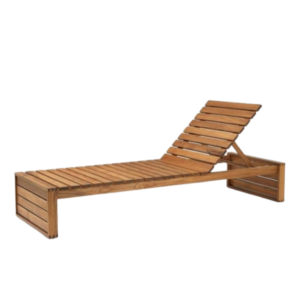
A sun lounger is an excellent addition to gardens, patios, poolside areas, resorts, and private outdoor spaces. A well-designed wooden sun lounger combines comfortable reclining with a natural appearance, making it practical furniture for relaxing outdoors.

Wooden outdoor furniture can also create a warm and sophisticated atmosphere. When produced from quality timber and maintained correctly, a wooden sun lounger can provide long-term functionality while complementing a wide range of landscape and architectural styles.

What Is a Wooden Sun Lounger?

A wooden sun lounger is an outdoor reclining chair designed for relaxation, reading, sunbathing, or enjoying fresh air. Its extended frame allows users to support their body comfortably while reclining in a garden, terrace, balcony, or poolside environment.

Wooden models are especially popular because natural timber provides visual warmth and a distinctive texture. Depending on the design, features may include adjustable backrests, wide seating surfaces, supportive armrests, and durable wooden frames.

1. Comfortable Outdoor Relaxation

The primary advantage of a sun lounger is its ability to create a dedicated space for comfortable outdoor relaxation. The extended design supports the back and legs, allowing users to sit or recline for extended periods.

For residential spaces, a sun lounger can transform an unused garden corner into a personal relaxation area. In hotels and resorts, it can also improve the guest experience around swimming pools, patios, and landscaped areas.

2. Natural and Timeless Appearance

Wood has a naturally attractive appearance that works well with outdoor environments. A wooden sun lounger can blend with plants, stone surfaces, decking, gardens, and other natural landscaping elements.

The timeless character of timber also makes it suitable for both contemporary and traditional outdoor designs. Natural wood tones can create a warm visual balance against modern architecture and neutral-colored outdoor accessories.

3. Durable Outdoor Furniture

A properly constructed sun lounger can provide dependable outdoor performance when suitable wood and appropriate construction methods are used. Strong joints, quality finishing, and suitable timber selection are important factors when evaluating outdoor furniture.

For commercial applications, durability becomes particularly important because furniture may be used frequently by different guests. Buyers should consider frame construction, wood quality, hardware, finishing, and intended outdoor conditions before making a purchase.

  • Look for strong and stable frame construction.
  • Check the quality and consistency of the timber.
  • Inspect joints and hardware for secure assembly.
  • Consider finishes designed for outdoor furniture.
  • Match the furniture to the expected climate and usage.

4. Flexible Reclining Position

Many sun lounger designs feature an adjustable backrest that allows users to select a preferred position. This flexibility makes the furniture suitable for reading, resting, conversation, or simply enjoying the surrounding outdoor environment.

An adjustable design can also make outdoor spaces more versatile. Users can change the position according to the activity, time of day, and preferred level of comfort.

5. Versatile Outdoor Use

A sun lounger is not limited to poolside environments. It can be used in private gardens, hotel terraces, resort areas, balconies, patios, rooftop spaces, and outdoor hospitality settings.

This versatility makes wooden loungers useful for both residential and commercial projects. Several units can also be arranged together to create an organized relaxation zone for guests or family members.

6. Easy Maintenance with Proper Care

Wooden outdoor furniture can remain attractive with a simple and consistent maintenance routine. Regular cleaning helps remove dust, dirt, leaves, and other debris that may accumulate on the surface.

Depending on the timber and finish, periodic treatment may also be recommended to help preserve the wood’s appearance. Outdoor furniture should be protected from prolonged exposure to excessive moisture when practical.

  • Clean the surface regularly with appropriate methods.
  • Keep the furniture free from standing water.
  • Follow the manufacturer’s recommended maintenance schedule.
  • Inspect joints and hardware periodically.
  • Store or cover the furniture during severe weather when appropriate.

7. Long-Term Furniture Value

A well-made sun lounger can offer value beyond its immediate function. Its combination of comfort, natural aesthetics, and practical outdoor use can make it a useful investment for homes, hospitality businesses, and landscape projects.

For commercial buyers, durable outdoor furniture may also help create a consistent visual identity across gardens, resorts, restaurants, and hotel properties. Selecting a design that balances appearance, comfort, and durability can support long-term usability.

How to Choose the Right Sun Lounger

Before purchasing a sun lounger, consider where it will be used and how frequently it will be occupied. Outdoor exposure, available space, desired reclining position, wood type, dimensions, and maintenance requirements should all be considered.

  • Choose dimensions appropriate for the available space.
  • Consider the intended number of users and frequency of use.
  • Evaluate the wood species and outdoor suitability.
  • Check the reclining mechanism and overall stability.
  • Review the finish and recommended maintenance process.
  • Select a design that complements the surrounding furniture.

For additional information about wood and timber-related materials, buyers can explore this trusted reference. For furniture sourcing and product information from WINDA TEAK N TEAK, visit our website.

A sun lounger can bring comfort, style, and practical functionality to a wide variety of outdoor environments. When made from quality timber and maintained properly, it can become a durable focal point for relaxation and hospitality areas.

Whether you are furnishing a private garden, hotel, resort, restaurant, or commercial outdoor space, choosing the right sun lounger requires attention to construction, comfort, wood quality, and intended use. A thoughtful selection can create an inviting outdoor environment while delivering reliable long-term value.