Table of Contents
H2 Sourcing Certified Garden Chair Materials for B2B Projects: garden chair outdoor materials
- 7 Best Garden Chair Materials
- 1. Teak Wood
- 2. Metal
- 3. Natural Rattan
- 4. Synthetic Rattan
- 5. Other Hardwood
- 6. Outdoor Plastic
- 7. How to Choose the Right Material
Choosing the right Garden Chair material is essential when creating a comfortable and durable outdoor seating area. Different materials offer different levels of weather resistance, maintenance requirements, appearance, and long-term value.
H2 Frequently Asked Questions About Outdoor Garden Chair Materials
For homes, hotels, restaurants, resorts, and commercial gardens, understanding these differences makes it easier to select furniture that suits the environment and expected usage. Here are seven popular materials worth considering.
1. Teak Wood
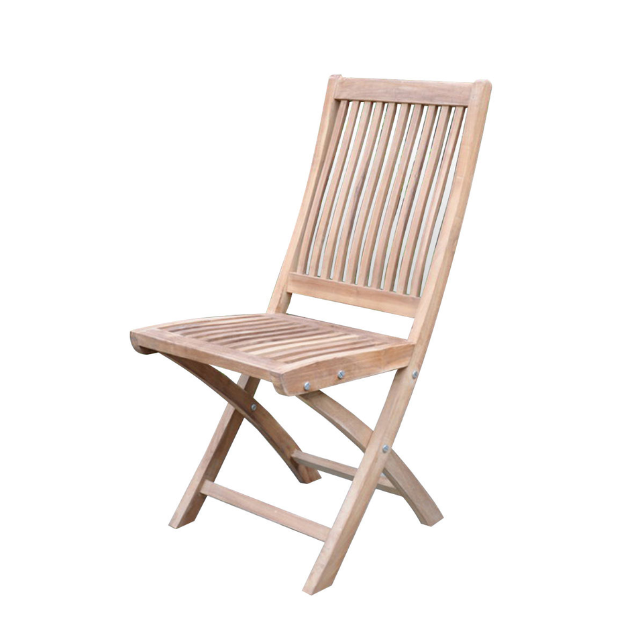
Teak is one of the most recognized materials for outdoor furniture because of its natural strength and attractive grain. Its natural oils can help the wood handle moisture and changing outdoor conditions better than many other types of timber.
A teak Garden Chair can develop an elegant silver-gray appearance when left untreated, while regular cleaning and suitable finishing can help maintain a warmer wood tone. Teak is particularly suitable for premium residential and hospitality projects.
- Natural resistance to moisture and outdoor conditions
- Strong and durable hardwood construction
- Elegant appearance for premium outdoor spaces
- Suitable for residential and commercial furniture
2. Metal
Metal is another practical choice for a Garden Chair, especially when strength and modern styling are priorities. Aluminum is lightweight and naturally resistant to rust, while properly finished steel can provide excellent structural strength.
When selecting metal furniture, check the coating and construction quality. Powder coating or other protective finishes can help improve resistance against moisture and everyday outdoor exposure.
3. Natural Rattan
Natural rattan provides a warm, handcrafted appearance that works well with tropical, resort, and relaxed garden designs. It is lightweight and visually appealing, making it popular for decorative outdoor seating.
However, natural rattan generally requires more protection from prolonged moisture and harsh weather. A covered patio, veranda, or sheltered garden area can help extend the service life of a rattan Garden Chair.
4. Synthetic Rattan
Synthetic rattan is designed to reproduce the woven appearance of natural rattan while offering improved resistance to outdoor conditions. Quality synthetic fibers can be easier to clean and maintain for frequently used outdoor furniture.
This material is often suitable for cafes, restaurants, resorts, and hospitality areas where appearance and practical maintenance are equally important.
5. Other Hardwood
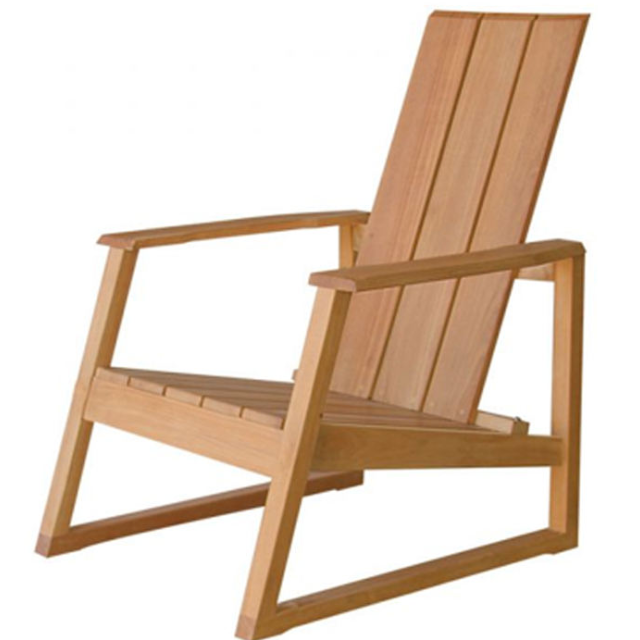
Hardwoods such as mahogany, acacia, and other durable timber species can also be used for a Garden Chair. The performance of each type depends on its density, moisture content, construction, finishing, and maintenance routine.
Before purchasing hardwood furniture, consider whether the timber is properly dried and finished. Good manufacturing practices can significantly influence durability and stability in outdoor environments.
6. Outdoor Plastic
Outdoor-grade plastic is lightweight, affordable, and relatively easy to clean. It can be useful for high-volume seating areas where furniture needs to be moved frequently or stored seasonally.
For long-term outdoor use, look for plastic specifically designed for exterior applications. UV-resistant materials are preferable because continuous sunlight can affect the appearance and performance of lower-quality plastics.
7. How to Choose the Right Garden Chair Material
The best Garden Chair material depends on your location, climate, design concept, maintenance schedule, and budget. A covered terrace may accommodate materials differently from a fully exposed garden beside a swimming pool.
- For premium natural style: Consider teak or other quality hardwood.
- For modern spaces: Aluminum and coated metal offer clean contemporary designs.
- For woven aesthetics: Natural or synthetic rattan can create a relaxed atmosphere.
- For easy handling: Lightweight aluminum and outdoor plastic are practical choices.
- For commercial use: Prioritize durability, repairability, and maintenance requirements.
It is also important to consider the complete furniture construction rather than focusing only on the material. Joinery, hardware, surface treatment, cushioning, and finishing can all affect how long a Garden Chair performs outdoors.
For general background on teak and timber, you can explore this trusted reference. To explore outdoor furniture solutions from WINDA TEAK N TEAK, visit our website.
Ultimately, selecting a suitable Garden Chair means balancing durability, aesthetics, comfort, and maintenance. With the right material and proper care, outdoor seating can remain attractive and functional for years while complementing gardens, patios, restaurants, hotels, and resort spaces.