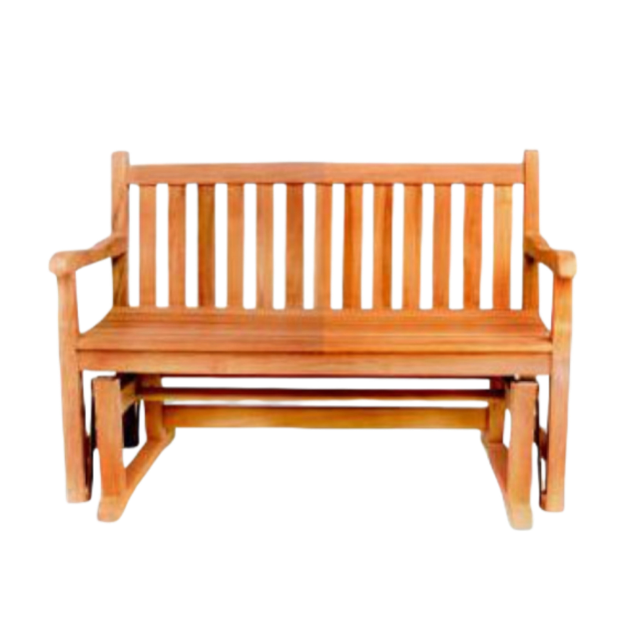
Table of Contents
- Choose the Right Garden Chair Material
- Check Garden Chair Construction
- Prioritize Comfort and Ergonomics
- Consider Weather Resistance
- Look at Maintenance Requirements
- Match Style With Your Outdoor Space
- Choose Quality From a Trusted Supplier
How to Choose a Durable Garden Chair for Outdoor Use
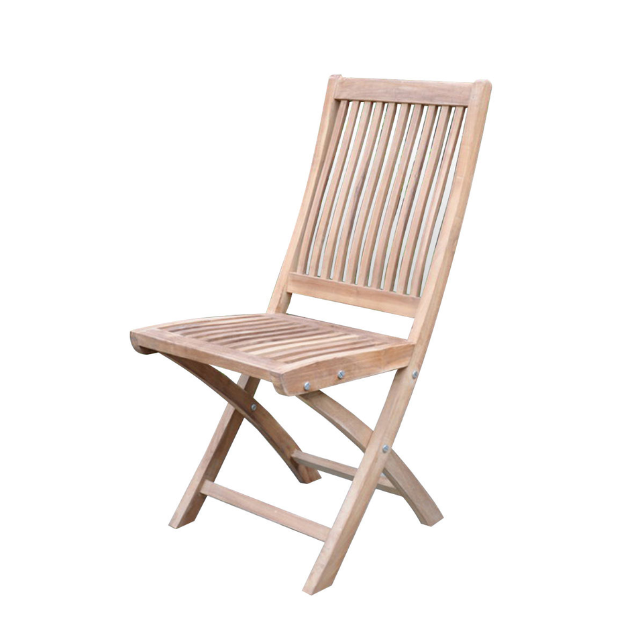
A Garden Chair is an important part of any comfortable outdoor area. Whether you are furnishing a private garden, patio, café, restaurant, resort, or hospitality space, choosing a durable chair can provide better long-term value.
Outdoor furniture faces sunlight, humidity, rain, temperature changes, and frequent use. For this reason, buyers should evaluate the material, construction, comfort, maintenance, and overall design before making a purchase.
1. Choose the Right Garden Chair Material
Material is one of the first factors to consider when selecting a Garden Chair. Different materials offer different combinations of strength, appearance, maintenance requirements, and outdoor suitability.
- Solid wood offers a warm and natural appearance.
- Teak is widely valued for outdoor furniture applications.
- Metal can provide a strong and contemporary appearance.
- Plastic or synthetic materials can offer lightweight handling.
For buyers who prefer natural furniture, teak wood can be an attractive option. Its distinctive grain and warm appearance can complement gardens, terraces, patios, and other outdoor environments.
2. Check Garden Chair Construction
A durable Garden Chair should have a construction that feels stable and well-balanced. Examine the joints, legs, frame, backrest, and connection points to ensure the chair is designed for regular use.
For commercial buyers, construction quality becomes even more important because chairs may be used repeatedly throughout the day. A stable structure can help improve the overall experience for customers and guests.
3. Prioritize Comfort and Ergonomics
Durability is important, but comfort should not be overlooked. A well-designed Garden Chair should provide appropriate support for the back and allow users to sit comfortably during meals, conversations, or relaxation.
- Check the height of the seat.
- Look for supportive backrest proportions.
- Consider the width and depth of the seating area.
- Choose a design suitable for the intended activity.
If chairs will be used around an outdoor dining table, make sure the proportions work well with the table height. Good coordination can make the entire outdoor seating area more practical.
4. Consider Weather Resistance
An outdoor Garden Chair should be selected with the local climate in mind. Strong sunlight, rain, humidity, and changing temperatures can affect outdoor furniture over time.
Even durable materials benefit from appropriate care and protection. When possible, place furniture in suitable locations and use covers or sheltered storage during severe weather conditions.
5. Look at Maintenance Requirements
Before purchasing a Garden Chair, consider how much maintenance you are willing to perform. Simple cleaning and routine inspection can help preserve the furniture’s appearance and usability.
- Clean dirt and debris regularly.
- Follow the manufacturer’s recommended care instructions.
- Inspect joints and structural components periodically.
- Protect furniture from prolonged exposure to extreme conditions.
For natural wooden furniture, maintenance requirements may depend on the specific wood species and finish. Buyers can learn more about wood and related materials from this external reference.
6. Match Style With Your Outdoor Space
A durable Garden Chair should also complement the visual character of the surrounding area. Modern, minimalist, classic, rustic, and tropical furniture styles can create very different outdoor atmospheres.
Consider the existing table, flooring, plants, architectural elements, and overall color palette. A coordinated furniture arrangement can make a garden or hospitality area look more professional and inviting.
7. Choose Quality From a Trusted Supplier
The supplier you choose can influence the consistency, craftsmanship, and overall value of your furniture. For residential and B2B projects, work with a furniture supplier that understands material selection and outdoor furniture requirements.
WINDA TEAK N TEAK provides Indonesian furniture solutions for customers seeking distinctive designs and practical furniture for various spaces. A carefully selected Garden Chair can become a valuable part of residential gardens, cafés, restaurants, resorts, and hospitality projects.
Explore more furniture options by visiting WINDA TEAK N TEAK and discover furniture solutions for your next project.
Ultimately, choosing the right Garden Chair requires more than focusing on appearance alone. Evaluate the material, construction, comfort, climate suitability, maintenance, design, and supplier reputation to make a confident purchasing decision.