Wooden Garden Bench: 10 Essential Tips for a Perfect Choice
Table of Contents
- Tip 1: Define Your Garden Space
- Tip 2: Choose the Right Wood Species
- Tip 3: Consider Durability and Weather Resistance
- Tip 4: Match the Style to Your Landscape
- Tip 5: Size and Proportions Matter
- Tip 6: Comfort and Seating Quality
- Tip 7: Finishing and Protection Options
- Tip 8: Placement and Positioning
- Tip 9: Maintenance and Care Routine
- Tip 10: Budget and Value Assessment
Wooden Garden Bench can instantly elevate the aesthetic of any outdoor space. By following these ten essential tips, you can select a bench that not only looks great but also stands the test of time.
Tip 1: Define Your Garden Space
Start by measuring the area where you plan to place the bench. Consider existing pathways, patio corners, or a quiet corner beside a fountain. A well‑defined space ensures the bench fits comfortably without overcrowding.
Choosing the Right Wooden Garden Bench: Key Factors
When selecting a wooden garden bench, the type of wood is crucial. Hardwoods like teak, cedar, or redwood offer natural resistance to rot and insects, making them ideal for outdoor use.
Tip 3: Consider Durability and Weather Resistance
Wooden Garden Bench durability depends on proper sealing and maintenance. Look for benches with pre‑sealed finishes or those that come with a maintenance guide to keep the wood looking fresh.
Tip 4: Match the Style to Your Landscape
Whether your garden is modern or rustic, choose a bench that complements the overall design. A sleek, minimalist bench works well in contemporary settings, while a carved, ornate bench suits traditional gardens.
Tip 5: Size and Proportions Matter
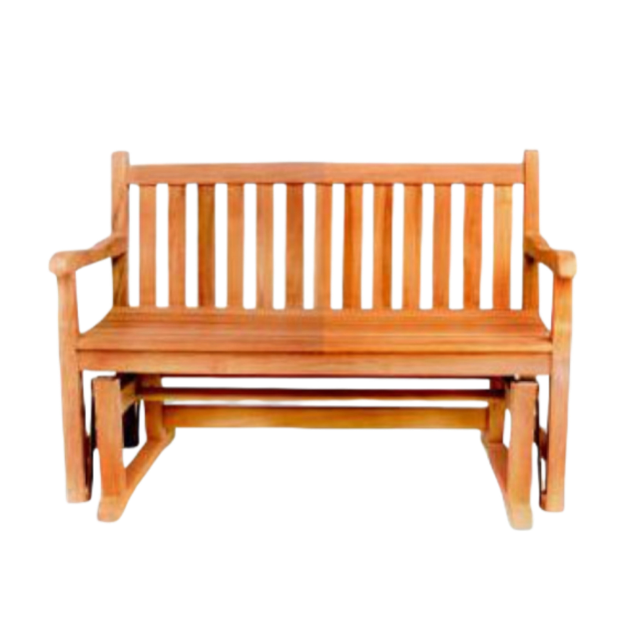
Measure the bench height, seat width, and depth. A seat that is too low or too high can be uncomfortable. For a family‑friendly bench, aim for a seat height of 16–18 inches and a width of 30–36 inches.
Tip 6: Comfort and Seating Quality
Comfort is key. Check if the bench has a slight recline or a cushioned seat. A wooden garden bench with a small cushion can provide extra comfort for longer sit‑times.
Tip 7: Finishing and Protection Options
Choose a finish that matches your maintenance preference. Oil finishes enhance the natural grain, while polyurethane offers a protective barrier against moisture.
Tip 8: Placement and Positioning
Position the bench to create focal points or to provide shade. A bench positioned beside a pergola or a tree canopy can become a cozy retreat within your garden.
Tip 9: Maintenance and Care Routine
Regular cleaning and re‑applying oil or sealant prolong the life of a wooden garden bench. A simple wipe‑down every few weeks keeps dust and mildew at bay.
Tip 10: Budget and Value Assessment
Set a realistic budget but remember that quality often pays off. A well‑made wooden garden bench can last decades if properly cared for, offering great long‑term value.
For more detailed information, visit sumber tepercaya. If you’re ready to transform your garden, check out our selection of wooden garden benches today!
A Wooden Garden Bench not only adds functional seating but also enhances the overall ambience of your outdoor living area. By embracing these tips, you’ll enjoy a stylish, durable, and welcoming garden for years to come.