
Posted on — Leave a comment

7 Premium Side Table Styles for Living Rooms and Bedrooms

Table of Contents

H2 1: Quality Standards and Material Certification for Premium Teak Side Tables

Best Side Table Styles for Living Rooms and Bedrooms: side table living bedroom styles
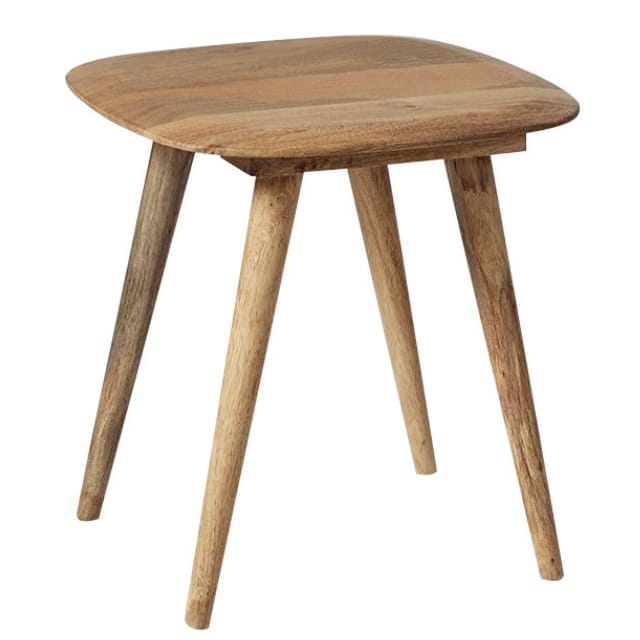
7 Premium Side Table Living Bedroom Styles for Modern Interiors

A Side Table is a small but useful furniture piece that can add function, balance, and visual interest to a room. Whether placed beside a sofa, lounge chair, or bed, the right design can make everyday living more comfortable while supporting the overall interior style.

H2 3: Frequently Asked Questions About Sourcing Side Table Living Bedroom Styles

For homes that combine practicality with natural character, teak furniture offers a warm and durable option. Explore the WINDA TEAK N TEAK furniture collection for designs that can complement residential and hospitality interiors.

Side Table Styles for Living Rooms

In a living room, a Side Table should be easy to reach without interrupting movement around seating. Its height, footprint, and storage features should work with the sofa or chair it accompanies.

  • Round designs: Soft edges create a relaxed appearance and work well beside curved sofas or armchairs.
  • Square designs: A structured silhouette suits contemporary rooms and makes efficient use of corners.
  • Nested tables: Multiple sizes provide flexible surfaces when guests need extra space.
  • Pedestal tables: A single central support gives the room a lighter visual profile.

For a classic interior, a wooden Side Table with visible grain can introduce warmth and texture. For modern rooms, clean lines and simple proportions can create a neat, uncluttered look.

Side Table Styles for Bedrooms

A bedroom Side Table can function as a compact bedside surface for a lamp, book, glasses, or decorative object. Choose a height that feels comfortable when reaching from the bed and leave enough clearance for movement.

  • Minimalist tables: Ideal for small bedrooms where visual simplicity matters.
  • Drawer tables: Useful when personal items need to stay organized and out of sight.
  • Open-shelf tables: Provide quick access to books, baskets, or small accessories.
  • Natural wood tables: Add warmth and pair naturally with neutral bedding and earthy interiors.

A bedroom Side Table does not need to match the bed perfectly. Coordinating materials, finishes, or shapes can create a cohesive room while allowing each furniture piece to retain its own character.

Materials and Practical Features

Material selection affects both appearance and everyday performance. Solid wood is valued for its natural grain, tactile quality, and ability to complement many interior themes.

When comparing a Side Table, consider the following practical details:

  • Overall height and width relative to nearby furniture
  • Surface area for lamps, drinks, books, or accessories
  • Storage requirements, including drawers or shelves
  • Finish and maintenance needs
  • Construction quality and stability

Teak is particularly associated with durability and natural resistance to changing conditions. For general background on the wood species, see this trusted teak reference.

Simple Styling Tips

Keep the tabletop useful rather than overcrowded. A lamp, small plant, book, or decorative tray can create a balanced arrangement without reducing usable space.

For a living room, coordinate the table with the sofa, rug, and lighting. In a bedroom, repeat one or two colors or materials from the bed and surrounding furniture to create visual continuity.

Ultimately, the best Side Table is one that fits the room, supports daily routines, and complements the existing furniture. By considering size, shape, material, storage, and styling, you can select a practical piece that remains attractive over time.
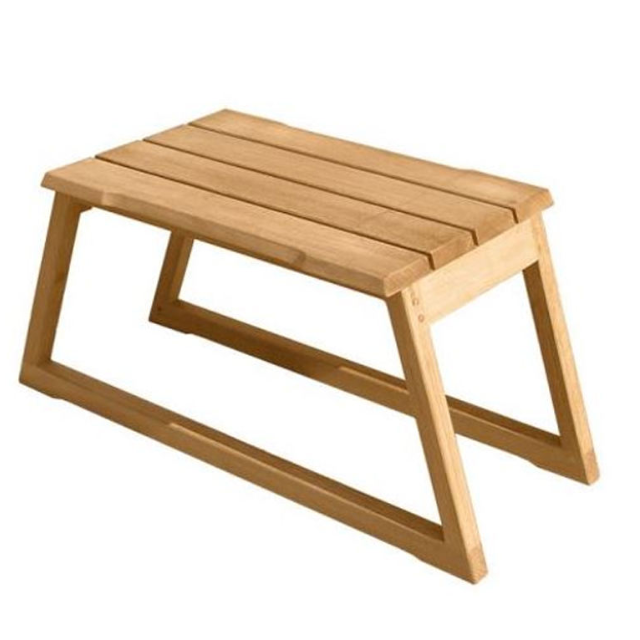
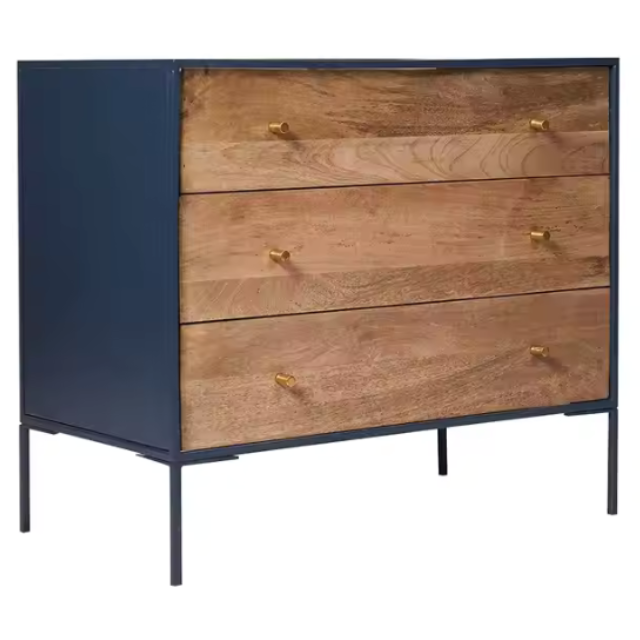
Posted on — Leave a comment

How to Choose the Best Solid Wood Side Table for Hotels

Table of Contents

Side Table: How to Choose the Best Solid Wood Option for Hotels

Side Table is a small but important furniture element in hotel bedrooms, lounges, suites, and common areas. The right solid wood design can provide practical functionality while supporting the overall appearance and comfort of a hospitality space.

Hotel furniture faces different demands from residential furniture because it may be used frequently by many guests. Therefore, buyers should evaluate material quality, dimensions, durability, maintenance, design, and supplier reliability before placing an order.

1. Check Solid Wood Quality

The first consideration when choosing a Side Table for hotels is the quality of its wood. Solid wood offers a natural appearance, visible grain, and a substantial feel that can enhance premium hospitality interiors.

However, solid wood furniture can vary considerably depending on species, construction, seasoning, finishing, and craftsmanship. Buyers should ask suppliers for clear information about the wood species and production specifications.

  • Confirm the wood species and material composition.
  • Check the consistency of construction and finishing.
  • Review samples before ordering in bulk.
  • Ask about recommended maintenance procedures.

2. Choose the Right Side Table Size

A Side Table should fit naturally within the available hotel space. A table that is too large can make a room feel crowded, while one that is too small may not provide enough practical surface area.

Consider the height of nearby beds, sofas, lounge chairs, and other furniture. For hotel projects, buyers should confirm exact dimensions before production to ensure every piece fits the intended layout.

  • Measure the available floor space.
  • Compare table height with nearby furniture.
  • Consider guest movement and accessibility.
  • Check packaging dimensions for transportation.

3. Consider Durability and Maintenance

Hotel furniture must withstand repeated use, cleaning, repositioning, and regular guest interaction. A well-constructed Side Table should therefore combine stable construction with a finish appropriate for its intended environment.

Maintenance requirements should also be considered before purchasing. Simple care instructions can help hotel staff preserve the appearance of wooden furniture and reduce unnecessary wear.

When comparing options, ask about joints, surface finishing, protective coatings, and recommended cleaning products. These details can help hotel buyers select furniture suited to daily hospitality operations.

4. Match the Side Table with the Hotel Interior

Beyond functionality, a Side Table should complement the hotel’s interior concept. Natural solid wood can work well with contemporary, tropical, rustic, classic, minimalist, and luxury design themes.

Consider the color, wood grain, silhouette, and finishing alongside existing beds, sofas, chairs, flooring, and decorative elements. Consistent visual language can create a more cohesive guest experience.

  • Modern and minimalist hotel interiors
  • Classic and traditional hospitality spaces
  • Resort and tropical environments
  • Luxury guest rooms and suites
  • Hotel lounges and reception areas

5. Evaluate the Furniture Supplier

Choosing the right Side Table also means choosing a dependable supplier. Hotel projects often involve multiple units, specific dimensions, finishing requirements, packaging needs, and scheduled deliveries.

A professional supplier should communicate specifications clearly and provide realistic information about production capacity. Buyers should request samples, confirm quality standards, and discuss customization options before committing to a large order.

Useful supplier questions include:

  • Can the dimensions be customized?
  • What solid wood options are available?
  • What finishing choices can be provided?
  • What is the minimum order quantity?
  • How are products packaged for export?
  • Can the supplier support repeat hotel projects?

For general information about wood as a material, visit this external resource. For Indonesian furniture sourcing and product inquiries, visit WINDA TEAK N TEAK.

Final Buying Considerations

The best Side Table for a hotel should balance appearance, functionality, durability, dimensions, and purchasing requirements. Solid wood can provide a distinctive natural character, but product quality depends on material selection and manufacturing standards.

Hotel buyers should compare samples rather than relying only on photographs or product descriptions. Reviewing construction, finishing, dimensions, packaging, and supplier communication can make the purchasing process more reliable.

A carefully selected Side Table can complement guest rooms and hospitality areas while providing useful surface space for guests. It can also become an important part of a consistent furniture collection across multiple hotel properties.

For larger projects, early communication with the supplier is especially valuable. Sharing room layouts, target dimensions, preferred materials, finishing requirements, and estimated quantities can help create a more suitable furniture solution.

WINDA TEAK N TEAK provides Indonesian furniture solutions for buyers seeking solid wood products with attractive designs. By evaluating quality and supplier capabilities carefully, hotel businesses can invest in furniture that supports both their design goals and operational needs.

Posted on — Leave a comment

7 Nightstands tips: the ultimate guide to choosing the right one

Table of Contents

7 Tips for Choosing the Best Nightstand for Your Bedroom

A Nightstand is more than a small table beside your bed. The right design can provide convenient storage, complement your bedroom furniture, and keep essential items within easy reach.

When buying a Nightstand, consider more than appearance. Materials, dimensions, construction, storage, and overall style should all work together to create a practical and attractive bedroom setup.

1. Choose the Right Nightstand Materials

The material affects the appearance, durability, maintenance, and overall character of your furniture. Solid wood is a popular option because it offers natural beauty and a strong, timeless appearance.

Teak wood is especially appealing for buyers who want distinctive grain patterns and durable furniture. Learn more about wood as a natural material from this trusted reference.

  • Solid wood: durable and naturally attractive.
  • Teak wood: distinctive grain and excellent longevity.
  • Engineered wood: practical and often budget-friendly.
  • Metal: suitable for contemporary and industrial interiors.

2. Match the Nightstand With Your Bedroom Style

A well-chosen Nightstand should complement the bed, wardrobe, dresser, and other furniture in the room. Matching every piece exactly is not necessary, but maintaining a consistent visual direction creates a more balanced interior.

For traditional bedrooms, consider warm wood finishes and classic details. Modern rooms may benefit from clean lines, simple silhouettes, and minimal decoration, while rustic interiors work beautifully with natural textures.

3. Consider Storage and Organization

Think about what you normally keep beside your bed. Books, glasses, charging cables, lamps, and personal items may require drawers, shelves, or a combination of both.

A Nightstand with drawers can hide smaller belongings and keep the bedroom looking tidy. Open shelves are useful when you want frequently used items to remain accessible and visible.

  • Drawers for personal belongings.
  • Open shelves for books and decorative items.
  • Tabletop space for lamps and everyday essentials.
  • Cable-friendly designs for convenient device charging.

4. Look for Practical Nightstand Features

Useful features can make everyday furniture much more convenient. Depending on your needs, look for smooth drawer movement, sturdy handles, stable legs, and surfaces that are easy to maintain.

If you regularly use electronic devices beside the bed, consider a design that provides enough tabletop space for a phone, lamp, or charging accessories without feeling crowded.

5. Get the Size and Height Right

The ideal Nightstand should work comfortably with your bed. A tabletop that is approximately level with the mattress is generally convenient because it allows you to reach items without excessive stretching.

Measure the available floor space before purchasing. Remember to leave enough room around the furniture for comfortable movement, cleaning, and opening drawers.

  • Measure the available width beside the bed.
  • Compare the table height with your mattress.
  • Check drawer and door clearance.
  • Leave comfortable walking space around the furniture.

6. Check Construction and Overall Quality

Good furniture should feel stable and well constructed. Examine the joints, legs, drawer mechanisms, surface finish, and overall balance before making a purchasing decision.

For wooden furniture, pay attention to the grain, finishing quality, and craftsmanship. A carefully constructed piece can remain functional and attractive for many years with appropriate care.

7. Prioritize Long-Term Value

The best Nightstand is not necessarily the cheapest option. Consider how well the furniture fits your bedroom, how often you will use it, and whether its materials and construction justify the investment.

Choosing timeless designs can also provide better long-term value because they are easier to coordinate with changing bedroom decor. Quality furniture can become a practical part of your interior rather than a short-term purchase.

Final Nightstand Buying Tips

Before ordering, review your measurements, preferred material, storage requirements, bedroom style, and budget. A thoughtful selection process helps ensure that your new Nightstand looks attractive while serving a useful everyday purpose.

For natural wooden furniture and timeless designs, explore the collection from WINDA TEAK N TEAK. The right Nightstand can add both functionality and character to a well-designed bedroom.