
Posted on — Leave a comment

7 Expert Tips to Choose a Comfortable Single Sofa for Hotels

Table of Contents

H2: Why Comfort Matters in Hotel Seating

How to Choose a Comfortable Single Sofa for Hotels: comfortable single sofa hotels

A comfortable Single Sofa can make a hotel lobby, guest room, lounge, or reading corner feel more welcoming. For hotel buyers, comfort should work together with durability, practical dimensions, easy maintenance, and a design that supports the property’s overall atmosphere.

H2: 2. Check Seat Support and Ergonomics

The right Single Sofa should provide reliable support without taking up unnecessary floor space. Before ordering, consider how guests will use the seat, how often it will be used, and what level of maintenance your staff can manage.

1. Choose the Right Size

Start by measuring the available area, including walking paths around the furniture. A Single Sofa that is too large can make a room feel crowded, while a very small design may look out of proportion.

  • Measure width, depth, and overall height.
  • Leave enough clearance for guest movement.
  • Check doorway and elevator dimensions before delivery.

2. Check Seat Support

Hotel guests may sit for a few minutes or several hours, so cushioning and posture support matter. Test the seat height, cushion firmness, back angle, and armrest position before selecting a Single Sofa for repeated commercial use.

A balanced cushion should feel supportive rather than excessively soft. Strong internal construction can also help the sofa retain its shape after frequent use.

3. Select Durable Fabric

Upholstery should match the expected traffic level and cleaning routine. For a Single Sofa in a busy hotel, choose materials that are durable, practical to clean, and appropriate for the property’s climate and operating conditions.

  • Consider stain resistance and routine cleaning.
  • Choose upholstery suited to daily commercial use.
  • Confirm replacement or repair options when available.

4. Match the Hotel Style

A Single Sofa should complement the hotel’s interior rather than compete with it. Consider the room’s color palette, wood finishes, lighting, and decorative theme when choosing upholstery and frame details.

For classic properties, natural wood details can add warmth and character. Contemporary hotels may prefer clean lines and understated upholstery for a polished appearance.

5. Consider Maintenance
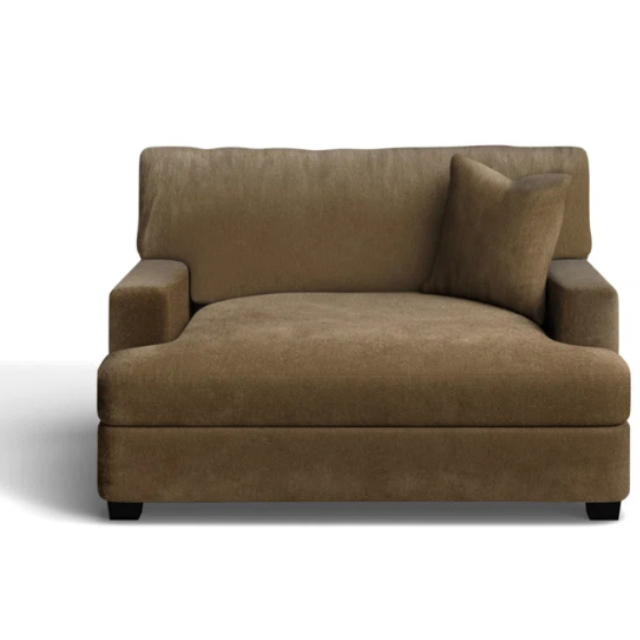
How to Choose a Comfortable Sing — comfortable single sofa hotels

Comfort is only one part of a practical hotel furniture decision. A Single Sofa should also be easy for housekeeping teams to inspect, clean, move, and maintain between guest uses.

  • Look for accessible surfaces and practical upholstery.
  • Ask about cleaning instructions before purchase.
  • Review frame and cushion care requirements.

6. Review Quality and Supplier

When comparing suppliers, review material specifications, craftsmanship, dimensions, finishing, packaging, and lead times. For bulk hotel projects, consistency between units is especially important because multiple rooms should maintain a cohesive look.

Before placing an order, request product details and clarify customization options. You can visit WINDA TEAK N TEAK to explore furniture solutions for hospitality spaces.

For general background on furniture materials and construction, see this trusted reference.

7. Test Before You Order

If possible, inspect a sample before committing to a large hospitality order. Sit on the Single Sofa, check its stability, examine stitching and finishing, and compare the sample against the room layout.

For projects involving many rooms, confirm that every unit follows the approved dimensions, materials, and finish. This simple quality-control step can reduce inconsistencies during installation and help purchasing teams manage expectations.

Final Checklist for Hotel Buyers

The best Single Sofa choice depends on the hotel’s space, guest expectations, design concept, and operating needs. A clear checklist can help purchasing teams compare products consistently instead of relying only on appearance.

  • Comfortable seat height and supportive cushioning.
  • Dimensions that fit the intended room.
  • Durable upholstery and easy maintenance.
  • Construction suitable for frequent use.
  • Style and finish aligned with the hotel interior.
  • Reliable specifications, delivery, and after-sales support.

By evaluating these factors together, hotel owners and purchasing teams can select furniture that supports guest comfort while remaining practical for daily operations. A well-chosen Single Sofa can add useful seating and strengthen the overall character of a hospitality space.
Posted on — Leave a comment

How to Choose the Best Solid Wood Side Table for Hotels

Table of Contents

Side Table: How to Choose the Best Solid Wood Option for Hotels

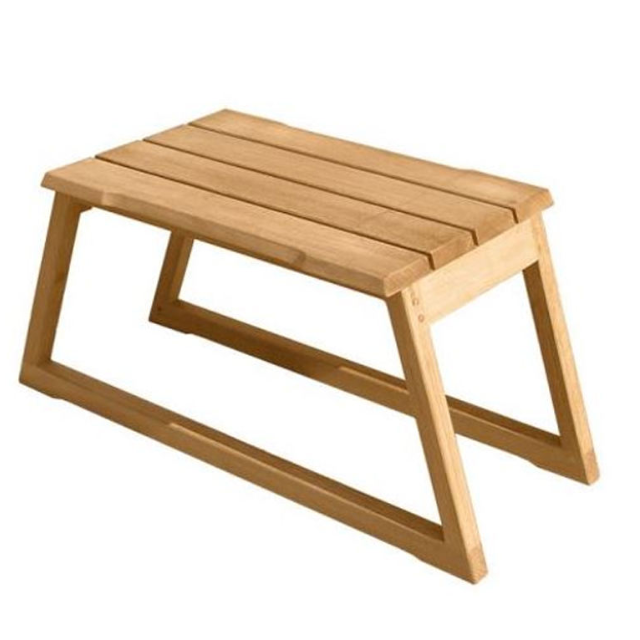
Side Table is a small but important furniture element in hotel bedrooms, lounges, suites, and common areas. The right solid wood design can provide practical functionality while supporting the overall appearance and comfort of a hospitality space.

Hotel furniture faces different demands from residential furniture because it may be used frequently by many guests. Therefore, buyers should evaluate material quality, dimensions, durability, maintenance, design, and supplier reliability before placing an order.

1. Check Solid Wood Quality

The first consideration when choosing a Side Table for hotels is the quality of its wood. Solid wood offers a natural appearance, visible grain, and a substantial feel that can enhance premium hospitality interiors.

However, solid wood furniture can vary considerably depending on species, construction, seasoning, finishing, and craftsmanship. Buyers should ask suppliers for clear information about the wood species and production specifications.

  • Confirm the wood species and material composition.
  • Check the consistency of construction and finishing.
  • Review samples before ordering in bulk.
  • Ask about recommended maintenance procedures.

2. Choose the Right Side Table Size

A Side Table should fit naturally within the available hotel space. A table that is too large can make a room feel crowded, while one that is too small may not provide enough practical surface area.

Consider the height of nearby beds, sofas, lounge chairs, and other furniture. For hotel projects, buyers should confirm exact dimensions before production to ensure every piece fits the intended layout.

  • Measure the available floor space.
  • Compare table height with nearby furniture.
  • Consider guest movement and accessibility.
  • Check packaging dimensions for transportation.

3. Consider Durability and Maintenance

Hotel furniture must withstand repeated use, cleaning, repositioning, and regular guest interaction. A well-constructed Side Table should therefore combine stable construction with a finish appropriate for its intended environment.

Maintenance requirements should also be considered before purchasing. Simple care instructions can help hotel staff preserve the appearance of wooden furniture and reduce unnecessary wear.

When comparing options, ask about joints, surface finishing, protective coatings, and recommended cleaning products. These details can help hotel buyers select furniture suited to daily hospitality operations.

4. Match the Side Table with the Hotel Interior

Beyond functionality, a Side Table should complement the hotel’s interior concept. Natural solid wood can work well with contemporary, tropical, rustic, classic, minimalist, and luxury design themes.

Consider the color, wood grain, silhouette, and finishing alongside existing beds, sofas, chairs, flooring, and decorative elements. Consistent visual language can create a more cohesive guest experience.

  • Modern and minimalist hotel interiors
  • Classic and traditional hospitality spaces
  • Resort and tropical environments
  • Luxury guest rooms and suites
  • Hotel lounges and reception areas

5. Evaluate the Furniture Supplier

Choosing the right Side Table also means choosing a dependable supplier. Hotel projects often involve multiple units, specific dimensions, finishing requirements, packaging needs, and scheduled deliveries.

A professional supplier should communicate specifications clearly and provide realistic information about production capacity. Buyers should request samples, confirm quality standards, and discuss customization options before committing to a large order.

Useful supplier questions include:

  • Can the dimensions be customized?
  • What solid wood options are available?
  • What finishing choices can be provided?
  • What is the minimum order quantity?
  • How are products packaged for export?
  • Can the supplier support repeat hotel projects?

For general information about wood as a material, visit this external resource. For Indonesian furniture sourcing and product inquiries, visit WINDA TEAK N TEAK.

Final Buying Considerations

The best Side Table for a hotel should balance appearance, functionality, durability, dimensions, and purchasing requirements. Solid wood can provide a distinctive natural character, but product quality depends on material selection and manufacturing standards.

Hotel buyers should compare samples rather than relying only on photographs or product descriptions. Reviewing construction, finishing, dimensions, packaging, and supplier communication can make the purchasing process more reliable.

A carefully selected Side Table can complement guest rooms and hospitality areas while providing useful surface space for guests. It can also become an important part of a consistent furniture collection across multiple hotel properties.

For larger projects, early communication with the supplier is especially valuable. Sharing room layouts, target dimensions, preferred materials, finishing requirements, and estimated quantities can help create a more suitable furniture solution.

WINDA TEAK N TEAK provides Indonesian furniture solutions for buyers seeking solid wood products with attractive designs. By evaluating quality and supplier capabilities carefully, hotel businesses can invest in furniture that supports both their design goals and operational needs.