
Posted on Leave a comment

7 Smart Tips for Choosing the Best Single Sofa for Your Space

Table of Contents

Single Sofa Buying Guide: Materials, Comfort, and Design

Choosing a Single Sofa requires more than simply selecting an attractive piece of furniture. Materials, comfort, construction quality, dimensions, and design all influence how well a sofa performs in a home, office, hotel, or hospitality environment.

A well-selected sofa should balance visual appeal with practical performance. Buyers should consider how often it will be used, who will use it, and how well its style complements the surrounding interior.

Choosing the Right Single Sofa Materials

The material is one of the most important factors when purchasing a Single Sofa. A solid wooden frame can provide stability, while quality upholstery contributes to comfort and creates the desired visual character.

Common upholstery options include fabric, leather, and synthetic materials. Fabric can offer a warm and comfortable appearance, while leather and synthetic upholstery may provide a more refined look and easier maintenance.

Consider these material factors before buying:

  • Frame strength and construction
  • Upholstery durability
  • Ease of cleaning and maintenance
  • Resistance to everyday wear
  • Compatibility with the intended environment

Checking Single Sofa Comfort

Comfort should always be a priority when choosing a Single Sofa. The seat should provide adequate support without feeling excessively firm or too soft for regular use.

Pay attention to seat depth, cushion thickness, backrest height, and armrest positioning. For offices, lounges, and reception areas, ergonomic proportions can make a significant difference during extended periods of sitting.

If possible, test the sofa before purchasing. For general information about furniture and related terminology, buyers can also consult this trusted reference source.

Selecting the Best Single Sofa Design

The design of a Single Sofa should complement the room rather than compete with other furniture. Modern interiors often benefit from clean silhouettes, neutral upholstery, and simple details.

Classic interiors may work better with carved wooden elements, rounded arms, or decorative upholstery. For commercial spaces, choose a design that reflects the brand identity while remaining practical for everyday visitors.

Useful design considerations include:

  • Color and upholstery texture
  • Frame and leg style
  • Overall shape and proportions
  • Room decoration and existing furniture
  • Intended interior style

Finding the Right Single Sofa Size

A beautiful Single Sofa can still be unsuitable if its dimensions do not match the available space. Measure the room, doorway, hallway, and intended placement area before confirming an order.

Leave enough clearance around the sofa for comfortable movement. In smaller rooms, a compact silhouette with exposed legs can create a lighter visual appearance and help maintain an open atmosphere.

Evaluating Quality and Durability

When investing in a Single Sofa, inspect the frame, joints, cushions, upholstery, and finishing details. Strong construction is especially important for furniture placed in busy commercial environments such as hotels, restaurants, offices, and waiting areas.

Ask about manufacturing specifications, material options, and maintenance requirements. A reputable furniture supplier should be able to explain how the product is constructed and which materials are used.

You can explore furniture solutions and product information through WINDA TEAK N TEAK.

Making the Final Choice

The best Single Sofa is one that combines comfort, durability, appropriate dimensions, and a design that suits the intended space. Avoid choosing based solely on appearance or price because long-term usability is equally important.

Before purchasing, compare materials, construction, dimensions, upholstery, and maintenance requirements. For buyers furnishing multiple rooms or commercial properties, consistency in design and reliable quality can also help create a professional interior.

A thoughtful buying process makes it easier to find a Single Sofa that delivers both style and practical value. Whether used as an accent chair alternative, a lounge seat, or part of a hospitality setting, the right sofa can enhance comfort and improve the overall character of an interior.
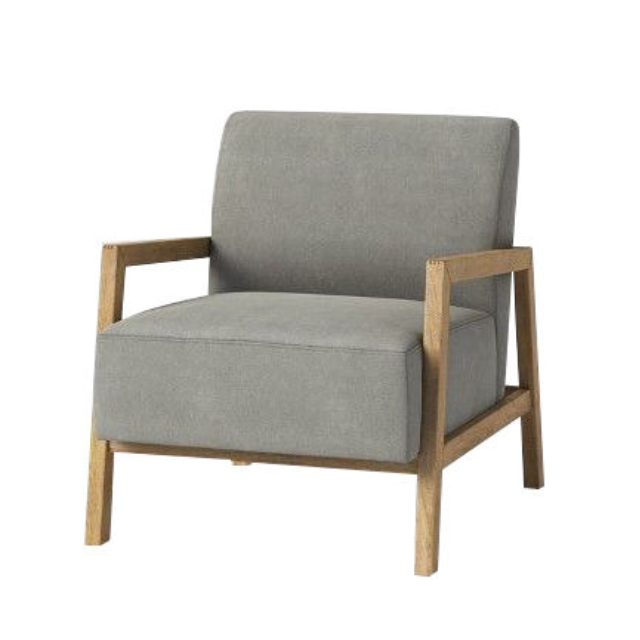
Posted on Leave a comment

Single Sofa vs Armchair 2026: Best Choice for Your Space?

Table of Contents

Single Sofa vs Armchair: Which Is Better?

Choosing the right seating can change how a room feels and functions. A Single Sofa and an armchair may both provide comfortable individual seating, but they offer different proportions, visual impact, and layout possibilities.

Understanding the Main Differences

A Single Sofa is typically designed as a compact upholstered seat with a sofa-like profile. It can feel more substantial than a traditional armchair while still occupying less space than a two- or three-seat sofa.

An armchair usually has a more defined chair silhouette, often with prominent arms and a deeper individual seating position. The choice between the two depends on available floor area, interior style, intended use, and the atmosphere you want to create.

Single Sofa: Key Advantages

One major advantage of a Single Sofa is its balance between comfort and visual presence. It can become an attractive focal point without overwhelming a small living room, bedroom corner, reception area, or reading space.

This seating option can also work well in hospitality and commercial interiors. Several matching pieces can be positioned around a coffee table or arranged across a lounge to create a coordinated seating plan.

  • Creates a relaxed, sofa-inspired seating experience.
  • Works well as a standalone accent piece.
  • Can be grouped with matching furniture for larger layouts.
  • Offers flexibility for residential and commercial interiors.

Single Sofa: Potential Drawbacks

The main limitation is that this design can require more floor space than a compact armchair. If your room is extremely narrow or already contains several furniture pieces, its wider proportions may make circulation feel restricted.

It may also look visually heavier in a minimalist room. Careful measurement is therefore important before selecting the piece.

Armchair: Key Advantages

An armchair is a classic choice for individual seating and is often easy to position. Its recognizable shape can add character to a room while providing a dedicated place for reading, relaxing, or conversation.

Armchairs are especially useful when space efficiency matters. They can fit beside a side table, near a window, or in a corner that would not accommodate a larger seating unit.

  • Often provides a compact footprint.
  • Easy to move and reposition.
  • Fits naturally into reading corners and bedrooms.
  • Available in many traditional and contemporary designs.

Armchair: Potential Drawbacks

An armchair may have less visual presence than this sofa style, particularly in a large room. Some designs can also feel more formal, depending on their proportions, upholstery, and arm shape.

If you want a softer lounge atmosphere or plan to use several matching seats, this sofa style may offer a more cohesive solution.

Single Sofa vs Armchair: Which Is Better?

There is no universal winner because the best option depends on the room and its purpose. Choose a Single Sofa when you want a stronger lounge feel, generous proportions, and a statement piece that can anchor a seating arrangement.

Choose an armchair when you prioritize compact placement, easy movement, and a clearly defined personal seat. For smaller rooms, an armchair can make circulation easier, while the sofa option may be better when comfort and visual balance are the priorities.

What to Consider Before Buying

Before choosing either option, evaluate the dimensions of the room and the furniture already inside it. Measure width, depth, height, doorways, and walking paths to avoid a piece that feels oversized after installation.

Also consider:

  • Available floor space and circulation.
  • Desired comfort level and seating posture.
  • Upholstery, color, and overall interior style.
  • Frame materials and expected durability.
  • Residential, hospitality, office, or commercial use.
  • Whether one piece or multiple matching seats are needed.

Matching Seating With Your Interior

This seating design can complement modern, contemporary, minimalist, and natural interiors, especially when paired with wood accents and neutral upholstery. An armchair can create a similar effect but may provide a sharper or more traditional visual statement depending on its design.

For a cohesive furniture project, consider material consistency across tables, cabinets, and seating. You can explore additional furniture options from WINDA TEAK N TEAK.

Final Verdict

When comparing both options, focus on how each piece supports your space rather than choosing based only on appearance. A Single Sofa is a strong choice for comfortable lounge-focused interiors, while an armchair is excellent for compact, flexible seating.

For more background on furniture materials and wood, visit this external reference. Ultimately, the right choice is the one that fits your measurements, comfort expectations, design goals, and daily use.