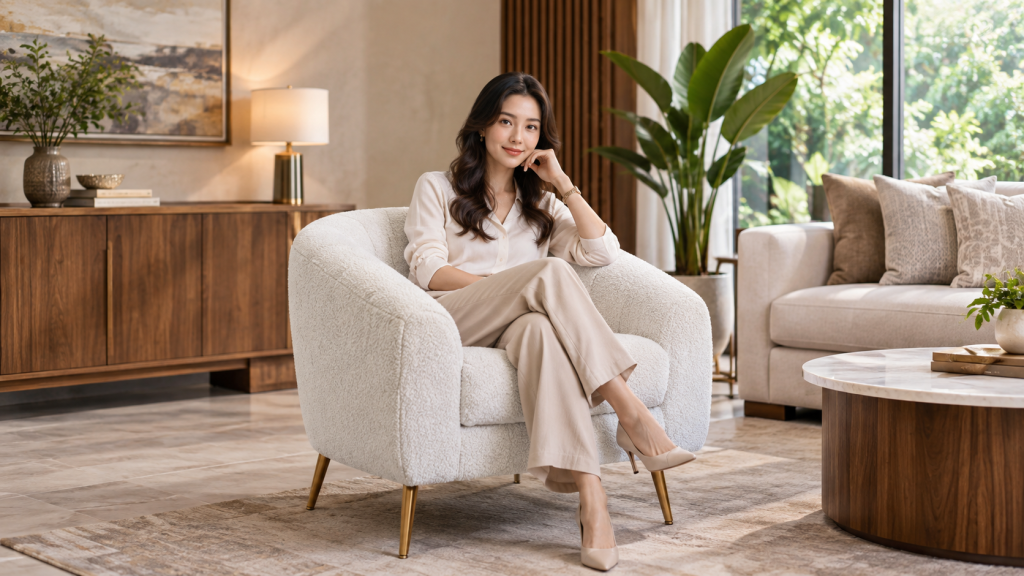
Table of Contents
H2 Modern Single Sofa Styles for Homes, Hotels, and Offices
- Modern Single Sofa Styles
- Single Sofa for Modern Homes
- Modern Seating Styles for Hotels and Hospitality
- Modern Seating Styles for Offices and Workspaces
- Materials and Design Details
- How to Choose the Right Sofa
- Care and Long-Term Value
Modern Single Sofa Styles for Homes, Hotels, and Offices: single sofa modern homes offices
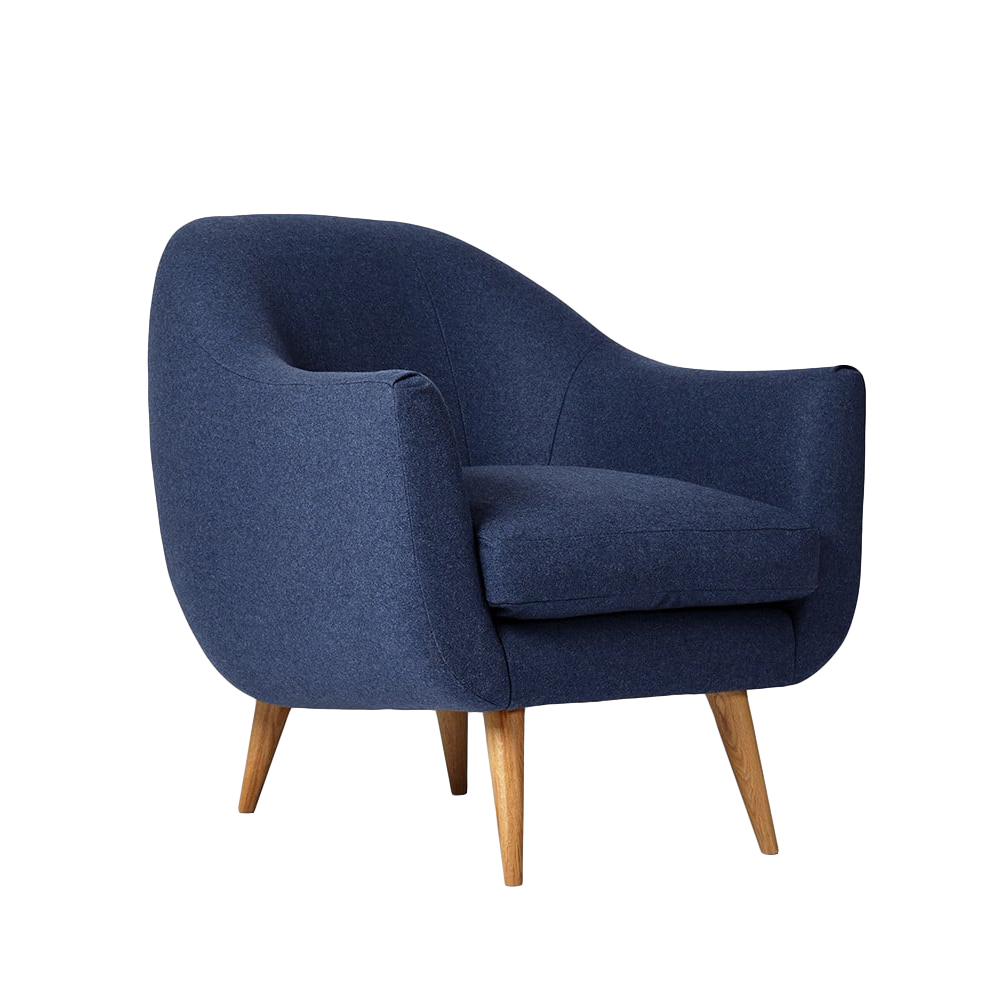
A Single Sofa can become a practical focal point in a contemporary interior. Its compact footprint provides personal seating while leaving enough room for tables, walkways, plants, and decorative elements.
H2 Modern Seating Styles for Hotels and Hospitality
Modern designs combine supportive cushions, curved silhouettes, durable upholstery, and refined wooden legs. These characteristics make a Single Sofa suitable for residential rooms as well as hospitality and professional environments.
Single Sofa Styles for Modern Homes
In homes, a Single Sofa works well in living rooms, bedrooms, reading corners, and home offices. Choose a shape that complements the room without making the layout feel crowded.
Rounded backrests and softly upholstered arms create a relaxed atmosphere, while tapered wooden legs add a lighter visual profile. Neutral fabrics are versatile, whereas deeper tones can introduce a distinctive accent to a simple interior.
- Use supportive seat cushions for everyday comfort.
- Match upholstery texture with existing furniture.
- Select compact proportions for smaller rooms.
- Pair the seat with a side table or floor lamp.
Modern Seating Styles for Hotels and Hospitality
A single-seat sofa can help hotels create inviting seating areas in lobbies, guest rooms, lounges, and private suites. The design should communicate comfort while fitting the property’s overall visual identity.
For hospitality projects, consider commercial-grade upholstery, sturdy frames, and construction designed for frequent use. Coordinating colors, wood finishes, and fabric textures can also help different seating areas feel connected throughout a property.
For general background on furniture and related design subjects, explore Wikipedia as a useful reference. For furniture collections and project inquiries, visit WINDA TEAK N TEAK.
Modern Seating Styles for Offices and Workspaces
In offices, this seating provides an alternative to conventional task seating. It can support reception areas, informal meetings, waiting spaces, executive lounges, and collaborative zones.
Look for ergonomic proportions, resilient upholstery, and a frame designed for regular commercial use. A clean silhouette can support a professional atmosphere without making the workspace appear overly formal or rigid.
- Reception: choose a welcoming silhouette and durable fabric.
- Lounge: combine soft seating with low tables.
- Meeting area: select supportive cushions for short discussions.
- Executive space: coordinate upholstery with premium wood details.
Materials and Design Details That Matter
The materials used in a Single Sofa influence comfort, appearance, durability, and maintenance. Upholstery should suit the expected level of use, while the internal frame should provide dependable support.
Wooden legs are popular in modern interiors because they add warmth and visual contrast to upholstered seating. Fabric, leather-look materials, and other upholstery options can create different textures and moods, so the selection should reflect the surrounding furniture.
When comparing designs, pay attention to details such as:
- Frame construction and overall stability.
- Cushion density, firmness, and seat depth.
- Upholstery texture and cleaning requirements.
- Leg material, finish, and attachment quality.
- Dimensions relative to the intended room.
How to Choose the Right Sofa
Before purchasing, measure the available floor area and consider how people will move around it. The ideal sofa should provide comfortable seating while maintaining practical clearance around doors, tables, and pathways.
Think about the intended user and setting as well. A home reading corner may prioritize softness and visual character, while a hotel lobby or office reception area may require more durable materials and easier maintenance.
Color should also work with the broader interior palette. A neutral finish can remain flexible across different projects, while a richer upholstery color can create a defined focal point in an otherwise understated room.
Care, Placement, and Long-Term Value
Proper placement can extend the visual and functional life of this seating. Keep upholstered furniture away from excessive moisture and prolonged direct sunlight, and follow the manufacturer’s cleaning recommendations.
For hospitality and office projects, establish a simple maintenance routine for vacuuming, spot cleaning, and checking structural components. Consistent care helps furniture remain presentable and comfortable through regular use.
A well-selected seat can also contribute to a consistent interior concept. When proportions, materials, and finishes complement nearby furniture, the result feels more intentional and cohesive.
Final Thoughts
Modern sofa designs offer flexibility across homes, hotels, and offices. By balancing proportions, comfort, upholstery, construction, and interior style, you can select seating that supports everyday function while enhancing the overall look of a space.