Posted on — Leave a comment

Review Sun Lounger: Full Features, Benefits & 2026 Verdict

Table of Contents

H2 Essential Technical Specifications for Heavy-Duty Resort Sun Loungers

Sun Lounger for Resorts: Comfort, Style & Practicality: sun lounger review features
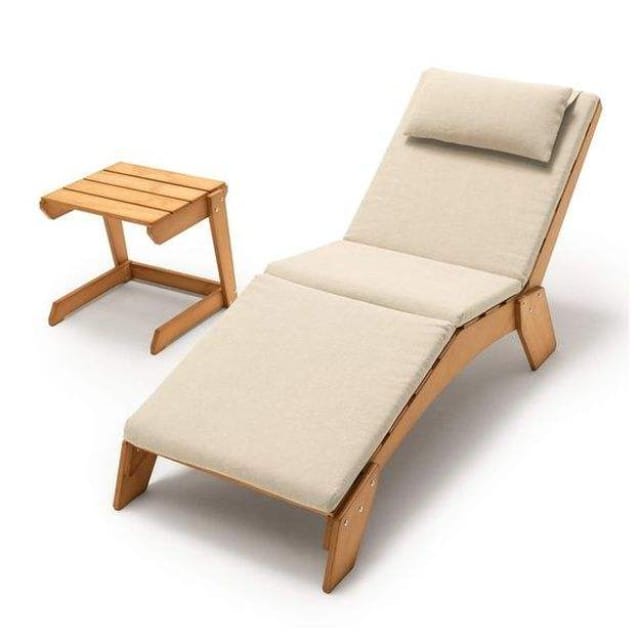
Sun Lounger Review: Features, Benef — sun lounger review features

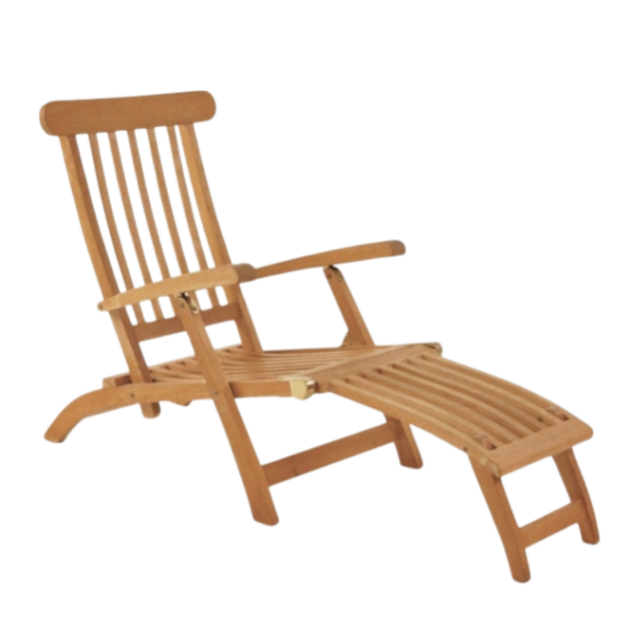
A Sun Lounger is an important piece of outdoor furniture for resorts, hotels, villas, and poolside hospitality areas. It provides guests with a comfortable place to relax while also contributing to the overall appearance of an outdoor space.

H2 2026 Procurement Checklist: What B2B Buyers Must Verify

For resorts, choosing suitable furniture involves more than selecting an attractive design. A good Sun Lounger should combine comfort, durability, practical maintenance, and a style that complements the property’s landscape.

Sun Lounger Benefits for Resorts

Poolside and beach areas are among the most frequently used spaces in many resorts. Providing comfortable seating allows guests to spend more time enjoying the outdoor environment, whether they are reading, relaxing, or taking a break between activities.

A well-designed Sun Lounger can also help create a coordinated visual concept. Natural wood, woven details, neutral upholstery, and clean silhouettes can complement tropical, contemporary, or luxury resort themes.

  • Provides dedicated relaxation space for guests.
  • Supports attractive poolside and garden layouts.
  • Can complement different resort design concepts.
  • Offers flexible placement around pools, terraces, and beaches.
  • Can be selected according to the property’s maintenance requirements.

Key Features to Consider in a Sun Lounger

Before purchasing a Sun Lounger, resort managers should consider the materials, construction, dimensions, and intended environment. Outdoor furniture needs to match the property’s climate and expected frequency of use.

Material selection is particularly important. Teak is commonly associated with outdoor furniture because of its natural appearance and suitability for outdoor applications when properly maintained.

  • Frame: Look for a stable and well-constructed frame suitable for regular use.
  • Material: Select materials that suit the climate and resort environment.
  • Comfort: Consider seat dimensions, backrest positioning, and optional cushions.
  • Design: Match the furniture with the resort’s architectural and landscape style.
  • Mobility: Wheels or manageable dimensions can make rearranging easier.

For general background on teak and its characteristics, readers can explore this trusted teak reference. The information can help buyers understand why teak is frequently associated with outdoor furniture.

How to Choose the Right Sun Lounger for Resorts

The right Sun Lounger depends on the resort’s location, design concept, guest capacity, and maintenance routine. A beachfront property may have different requirements from an urban hotel with a rooftop pool.

Start by identifying where the furniture will be placed and how frequently it will be used. Then compare dimensions, materials, comfort features, finish options, and maintenance requirements before ordering in quantity.

  • Measure the available poolside or terrace area.
  • Determine the expected number of loungers.
  • Choose materials appropriate for outdoor conditions.
  • Consider stacking, moving, or storage requirements.
  • Coordinate colors and finishes with existing furniture.

Maintenance Tips for Outdoor Use

Regular maintenance helps preserve the appearance and usability of a Sun Lounger. Resort staff should establish a routine for cleaning surfaces, checking structural components, and addressing signs of wear.

Wooden loungers should be maintained according to the specific wood and finish used. Cushions and upholstery should also be cleaned according to the manufacturer’s care recommendations, particularly in areas exposed to moisture, sand, and sunscreen.

Final Considerations for Resort Buyers

A Sun Lounger can contribute to both guest comfort and the visual identity of a resort. For hospitality businesses, the purchasing decision should balance appearance, durability, comfort, maintenance, and the practical requirements of the outdoor space.

WINDA TEAK N TEAK provides teak furniture solutions for hospitality and outdoor environments. Visit our website to explore furniture options and learn more about products suitable for resort projects.

When selecting a Sun Lounger, consider the complete guest experience rather than focusing only on appearance. A thoughtful combination of comfort, material quality, design, and practical maintenance can help create an inviting outdoor area for resort guests.
Posted on — Leave a comment

Garden Chair: 7 Premium Materials for Long Outdoor Use

Table of Contents

H2 Sourcing Certified Garden Chair Materials for B2B Projects: garden chair outdoor materials

Best Garden Chair Materials for Long-Term Outdoor Use: garden chair outdoor materials

Choosing the right Garden Chair material is essential when creating a comfortable and durable outdoor seating area. Different materials offer different levels of weather resistance, maintenance requirements, appearance, and long-term value.

H2 Frequently Asked Questions About Outdoor Garden Chair Materials

For homes, hotels, restaurants, resorts, and commercial gardens, understanding these differences makes it easier to select furniture that suits the environment and expected usage. Here are seven popular materials worth considering.

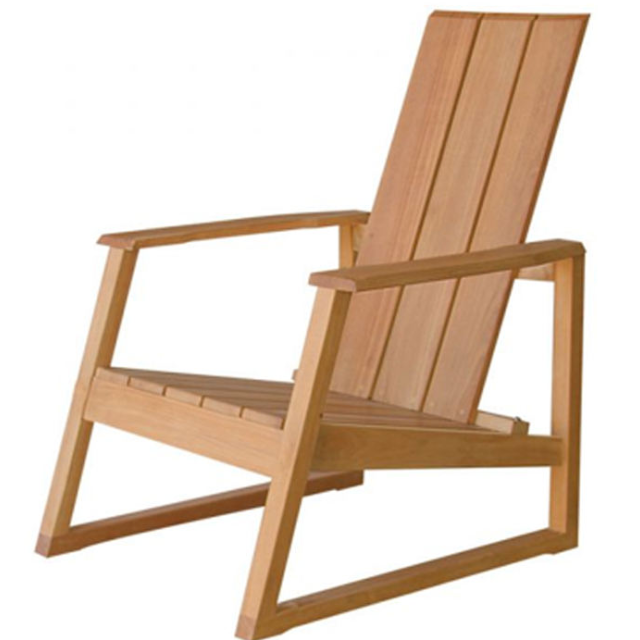
Garden Chair: 7 Premium Material — garden chair outdoor materials

1. Teak Wood

Teak is one of the most recognized materials for outdoor furniture because of its natural strength and attractive grain. Its natural oils can help the wood handle moisture and changing outdoor conditions better than many other types of timber.

A teak Garden Chair can develop an elegant silver-gray appearance when left untreated, while regular cleaning and suitable finishing can help maintain a warmer wood tone. Teak is particularly suitable for premium residential and hospitality projects.

  • Natural resistance to moisture and outdoor conditions
  • Strong and durable hardwood construction
  • Elegant appearance for premium outdoor spaces
  • Suitable for residential and commercial furniture

2. Metal

Metal is another practical choice for a Garden Chair, especially when strength and modern styling are priorities. Aluminum is lightweight and naturally resistant to rust, while properly finished steel can provide excellent structural strength.

When selecting metal furniture, check the coating and construction quality. Powder coating or other protective finishes can help improve resistance against moisture and everyday outdoor exposure.

3. Natural Rattan

Natural rattan provides a warm, handcrafted appearance that works well with tropical, resort, and relaxed garden designs. It is lightweight and visually appealing, making it popular for decorative outdoor seating.

However, natural rattan generally requires more protection from prolonged moisture and harsh weather. A covered patio, veranda, or sheltered garden area can help extend the service life of a rattan Garden Chair.

4. Synthetic Rattan

Synthetic rattan is designed to reproduce the woven appearance of natural rattan while offering improved resistance to outdoor conditions. Quality synthetic fibers can be easier to clean and maintain for frequently used outdoor furniture.

This material is often suitable for cafes, restaurants, resorts, and hospitality areas where appearance and practical maintenance are equally important.

5. Other Hardwood

Hardwoods such as mahogany, acacia, and other durable timber species can also be used for a Garden Chair. The performance of each type depends on its density, moisture content, construction, finishing, and maintenance routine.

Before purchasing hardwood furniture, consider whether the timber is properly dried and finished. Good manufacturing practices can significantly influence durability and stability in outdoor environments.

6. Outdoor Plastic

Outdoor-grade plastic is lightweight, affordable, and relatively easy to clean. It can be useful for high-volume seating areas where furniture needs to be moved frequently or stored seasonally.

For long-term outdoor use, look for plastic specifically designed for exterior applications. UV-resistant materials are preferable because continuous sunlight can affect the appearance and performance of lower-quality plastics.

7. How to Choose the Right Garden Chair Material

The best Garden Chair material depends on your location, climate, design concept, maintenance schedule, and budget. A covered terrace may accommodate materials differently from a fully exposed garden beside a swimming pool.

  • For premium natural style: Consider teak or other quality hardwood.
  • For modern spaces: Aluminum and coated metal offer clean contemporary designs.
  • For woven aesthetics: Natural or synthetic rattan can create a relaxed atmosphere.
  • For easy handling: Lightweight aluminum and outdoor plastic are practical choices.
  • For commercial use: Prioritize durability, repairability, and maintenance requirements.

It is also important to consider the complete furniture construction rather than focusing only on the material. Joinery, hardware, surface treatment, cushioning, and finishing can all affect how long a Garden Chair performs outdoors.

For general background on teak and timber, you can explore this trusted reference. To explore outdoor furniture solutions from WINDA TEAK N TEAK, visit our website.

Ultimately, selecting a suitable Garden Chair means balancing durability, aesthetics, comfort, and maintenance. With the right material and proper care, outdoor seating can remain attractive and functional for years while complementing gardens, patios, restaurants, hotels, and resort spaces.

Posted on — Leave a comment

7 Smart Wholesale Dining Chair Tips for Restaurants, Cafes & Hotels

Table of Contents

H2 1: Dining Chair Selection Tips

Wholesale Dining Chair: Smart Options for Hospitality Businesses: wholesale dining chair restaurants

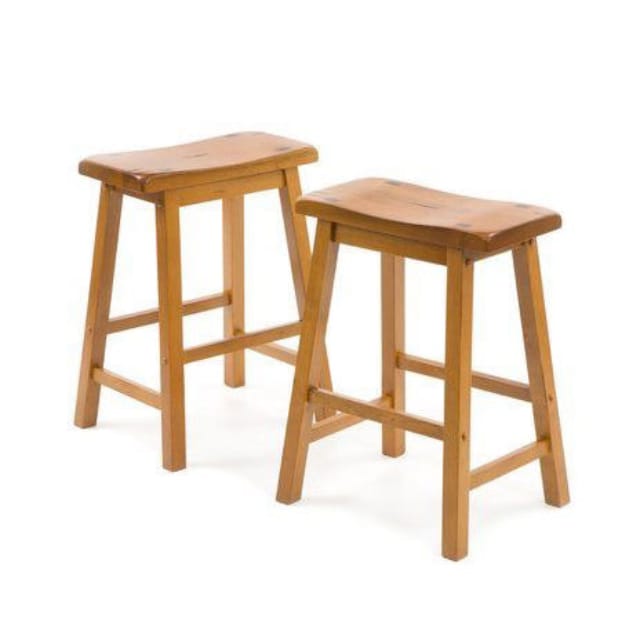
7 Smart Wholesale Dining Cha — wholesale dining chair restaurants

Choosing the right Dining Chair is important for restaurants, cafes, and hotels that need attractive seating, reliable performance, and consistent design. Buying wholesale can also help businesses maintain a unified interior while managing furniture costs efficiently.

H2 3: Dining Chair for Cafes

From solid wood frames to upholstered designs, the ideal Dining Chair should balance comfort, durability, appearance, and practical maintenance. This guide explains the key factors businesses should consider before placing a larger furniture order.

Dining Chair Selection Tips

A commercial Dining Chair experiences frequent daily use, so material and construction deserve careful attention. Look for sturdy joints, stable legs, quality finishing, and materials appropriate for the intended environment.

  • Choose durable materials for frequent commercial use.
  • Check seat dimensions and overall ergonomic comfort.
  • Match the chair design with the property’s interior concept.
  • Consider cleaning and maintenance requirements.
  • Confirm dimensions before ordering large quantities.

Dining Chair for Restaurants

Restaurants often need a Dining Chair that combines comfort with efficient space usage. Customers may spend considerable time dining, so supportive seating can contribute to a more pleasant overall experience.

Wooden chairs can complement traditional, rustic, or contemporary restaurant interiors, while upholstered alternatives can introduce additional softness. The best choice depends on the restaurant’s concept, table height, available floor space, and expected customer traffic.

Dining Chair for Cafes

For cafes, a Dining Chair can become part of the visual identity of the space. Lightweight designs may be useful where layouts change frequently, while solid construction can be valuable for busy locations.

Consider colors, textures, and silhouettes that coordinate with tables, counters, lighting, and decorative elements. A cohesive furniture combination can create a more recognizable atmosphere without sacrificing everyday functionality.

Dining Chair for Hotels

Hotels may require a Dining Chair for breakfast areas, restaurants, event spaces, lounges, or private dining rooms. Different areas can require different specifications, particularly regarding durability, comfort, and design consistency.

For hospitality projects, ordering matching furniture can help create a polished appearance across multiple rooms. Businesses should also consider replacement availability so future additions can maintain the original design.

Wholesale Buying Considerations

When purchasing a Dining Chair wholesale, buyers should evaluate more than the unit price. Quantity requirements, customization, material specifications, finishing, packaging, lead time, and shipping arrangements can all affect the overall purchasing decision.

  • Material: Review wood species, upholstery, hardware, and finishing.
  • Quantity: Confirm minimum order requirements and production capacity.
  • Customization: Ask about dimensions, colors, fabrics, and finishing options.
  • Quality: Request product specifications or samples when appropriate.
  • Logistics: Discuss packaging, delivery schedules, and export requirements.

Businesses can also research furniture materials and woodworking terminology through Wikipedia as a general reference. For wholesale furniture inquiries and product information, visit our website.

Final Considerations

Selecting a Dining Chair for commercial use requires attention to both design and long-term practicality. Restaurants, cafes, and hotels should compare construction quality, comfort, dimensions, maintenance, customization, and supply capacity before committing to a wholesale order.

A carefully selected Dining Chair can support a consistent interior concept while providing dependable seating for daily hospitality operations. By evaluating specifications and supplier capabilities in advance, buyers can make purchasing decisions that align with their project’s requirements.

Posted on — Leave a comment

7 Premium Single Sofa Styles for Modern Homes and Offices

Table of Contents

H2 Modern Single Sofa Styles for Homes, Hotels, and Offices

Modern Single Sofa Styles for Homes, Hotels, and Offices: single sofa modern homes offices

7 Premium Single Sofa Styles f — single sofa modern homes offices

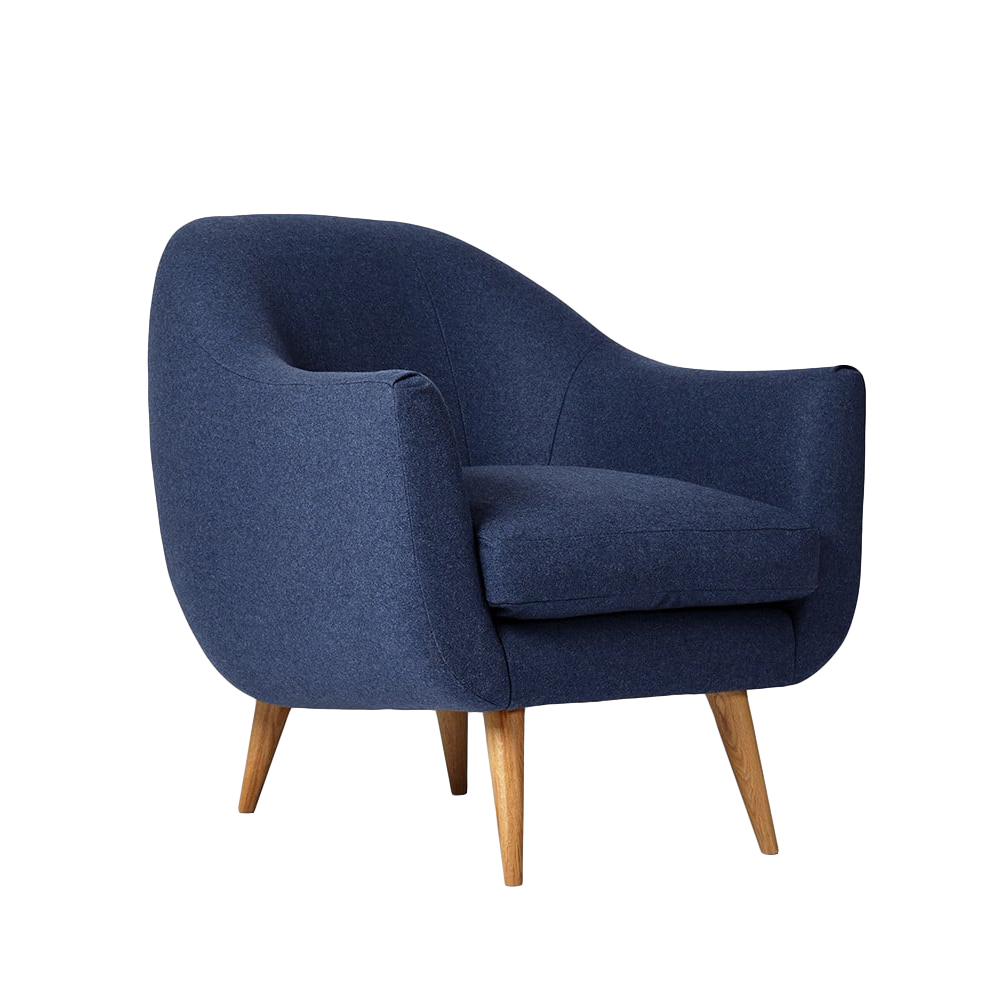
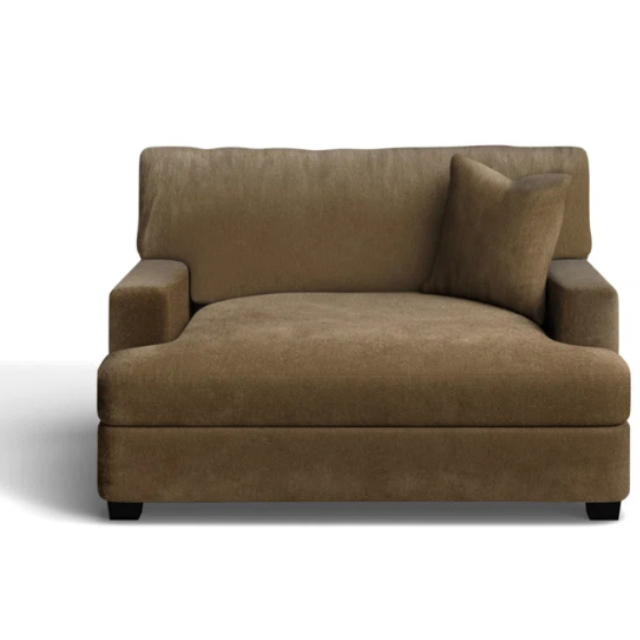
A Single Sofa can become a practical focal point in a contemporary interior. Its compact footprint provides personal seating while leaving enough room for tables, walkways, plants, and decorative elements.

H2 Modern Seating Styles for Hotels and Hospitality

Modern designs combine supportive cushions, curved silhouettes, durable upholstery, and refined wooden legs. These characteristics make a Single Sofa suitable for residential rooms as well as hospitality and professional environments.

Single Sofa Styles for Modern Homes

In homes, a Single Sofa works well in living rooms, bedrooms, reading corners, and home offices. Choose a shape that complements the room without making the layout feel crowded.

Rounded backrests and softly upholstered arms create a relaxed atmosphere, while tapered wooden legs add a lighter visual profile. Neutral fabrics are versatile, whereas deeper tones can introduce a distinctive accent to a simple interior.

  • Use supportive seat cushions for everyday comfort.
  • Match upholstery texture with existing furniture.
  • Select compact proportions for smaller rooms.
  • Pair the seat with a side table or floor lamp.

Modern Seating Styles for Hotels and Hospitality

A single-seat sofa can help hotels create inviting seating areas in lobbies, guest rooms, lounges, and private suites. The design should communicate comfort while fitting the property’s overall visual identity.

For hospitality projects, consider commercial-grade upholstery, sturdy frames, and construction designed for frequent use. Coordinating colors, wood finishes, and fabric textures can also help different seating areas feel connected throughout a property.

For general background on furniture and related design subjects, explore Wikipedia as a useful reference. For furniture collections and project inquiries, visit WINDA TEAK N TEAK.

Modern Seating Styles for Offices and Workspaces

In offices, this seating provides an alternative to conventional task seating. It can support reception areas, informal meetings, waiting spaces, executive lounges, and collaborative zones.

Look for ergonomic proportions, resilient upholstery, and a frame designed for regular commercial use. A clean silhouette can support a professional atmosphere without making the workspace appear overly formal or rigid.

  • Reception: choose a welcoming silhouette and durable fabric.
  • Lounge: combine soft seating with low tables.
  • Meeting area: select supportive cushions for short discussions.
  • Executive space: coordinate upholstery with premium wood details.

Materials and Design Details That Matter

The materials used in a Single Sofa influence comfort, appearance, durability, and maintenance. Upholstery should suit the expected level of use, while the internal frame should provide dependable support.

Wooden legs are popular in modern interiors because they add warmth and visual contrast to upholstered seating. Fabric, leather-look materials, and other upholstery options can create different textures and moods, so the selection should reflect the surrounding furniture.

When comparing designs, pay attention to details such as:

  • Frame construction and overall stability.
  • Cushion density, firmness, and seat depth.
  • Upholstery texture and cleaning requirements.
  • Leg material, finish, and attachment quality.
  • Dimensions relative to the intended room.

How to Choose the Right Sofa

Before purchasing, measure the available floor area and consider how people will move around it. The ideal sofa should provide comfortable seating while maintaining practical clearance around doors, tables, and pathways.

Think about the intended user and setting as well. A home reading corner may prioritize softness and visual character, while a hotel lobby or office reception area may require more durable materials and easier maintenance.

Color should also work with the broader interior palette. A neutral finish can remain flexible across different projects, while a richer upholstery color can create a defined focal point in an otherwise understated room.

Care, Placement, and Long-Term Value

Proper placement can extend the visual and functional life of this seating. Keep upholstered furniture away from excessive moisture and prolonged direct sunlight, and follow the manufacturer’s cleaning recommendations.

For hospitality and office projects, establish a simple maintenance routine for vacuuming, spot cleaning, and checking structural components. Consistent care helps furniture remain presentable and comfortable through regular use.

A well-selected seat can also contribute to a consistent interior concept. When proportions, materials, and finishes complement nearby furniture, the result feels more intentional and cohesive.

Final Thoughts

Modern sofa designs offer flexibility across homes, hotels, and offices. By balancing proportions, comfort, upholstery, construction, and interior style, you can select seating that supports everyday function while enhancing the overall look of a space.

Posted on — Leave a comment

7 Expert Tips to Choose a Comfortable Single Sofa for Hotels

Table of Contents

H2: Why Comfort Matters in Hotel Seating

How to Choose a Comfortable Single Sofa for Hotels: comfortable single sofa hotels

A comfortable Single Sofa can make a hotel lobby, guest room, lounge, or reading corner feel more welcoming. For hotel buyers, comfort should work together with durability, practical dimensions, easy maintenance, and a design that supports the property’s overall atmosphere.

H2: 2. Check Seat Support and Ergonomics

The right Single Sofa should provide reliable support without taking up unnecessary floor space. Before ordering, consider how guests will use the seat, how often it will be used, and what level of maintenance your staff can manage.

1. Choose the Right Size

Start by measuring the available area, including walking paths around the furniture. A Single Sofa that is too large can make a room feel crowded, while a very small design may look out of proportion.

  • Measure width, depth, and overall height.
  • Leave enough clearance for guest movement.
  • Check doorway and elevator dimensions before delivery.

2. Check Seat Support

Hotel guests may sit for a few minutes or several hours, so cushioning and posture support matter. Test the seat height, cushion firmness, back angle, and armrest position before selecting a Single Sofa for repeated commercial use.

A balanced cushion should feel supportive rather than excessively soft. Strong internal construction can also help the sofa retain its shape after frequent use.

3. Select Durable Fabric

Upholstery should match the expected traffic level and cleaning routine. For a Single Sofa in a busy hotel, choose materials that are durable, practical to clean, and appropriate for the property’s climate and operating conditions.

  • Consider stain resistance and routine cleaning.
  • Choose upholstery suited to daily commercial use.
  • Confirm replacement or repair options when available.

4. Match the Hotel Style

A Single Sofa should complement the hotel’s interior rather than compete with it. Consider the room’s color palette, wood finishes, lighting, and decorative theme when choosing upholstery and frame details.

For classic properties, natural wood details can add warmth and character. Contemporary hotels may prefer clean lines and understated upholstery for a polished appearance.

5. Consider Maintenance

How to Choose a Comfortable Sing — comfortable single sofa hotels

Comfort is only one part of a practical hotel furniture decision. A Single Sofa should also be easy for housekeeping teams to inspect, clean, move, and maintain between guest uses.

  • Look for accessible surfaces and practical upholstery.
  • Ask about cleaning instructions before purchase.
  • Review frame and cushion care requirements.

6. Review Quality and Supplier

When comparing suppliers, review material specifications, craftsmanship, dimensions, finishing, packaging, and lead times. For bulk hotel projects, consistency between units is especially important because multiple rooms should maintain a cohesive look.

Before placing an order, request product details and clarify customization options. You can visit WINDA TEAK N TEAK to explore furniture solutions for hospitality spaces.

For general background on furniture materials and construction, see this trusted reference.

7. Test Before You Order

If possible, inspect a sample before committing to a large hospitality order. Sit on the Single Sofa, check its stability, examine stitching and finishing, and compare the sample against the room layout.

For projects involving many rooms, confirm that every unit follows the approved dimensions, materials, and finish. This simple quality-control step can reduce inconsistencies during installation and help purchasing teams manage expectations.

Final Checklist for Hotel Buyers

The best Single Sofa choice depends on the hotel’s space, guest expectations, design concept, and operating needs. A clear checklist can help purchasing teams compare products consistently instead of relying only on appearance.

  • Comfortable seat height and supportive cushioning.
  • Dimensions that fit the intended room.
  • Durable upholstery and easy maintenance.
  • Construction suitable for frequent use.
  • Style and finish aligned with the hotel interior.
  • Reliable specifications, delivery, and after-sales support.

By evaluating these factors together, hotel owners and purchasing teams can select furniture that supports guest comfort while remaining practical for daily operations. A well-chosen Single Sofa can add useful seating and strengthen the overall character of a hospitality space.

Posted on — Leave a comment

How to Choose the Best Solid Wood Side Table for Hotels

Table of Contents

Side Table: How to Choose the Best Solid Wood Option for Hotels

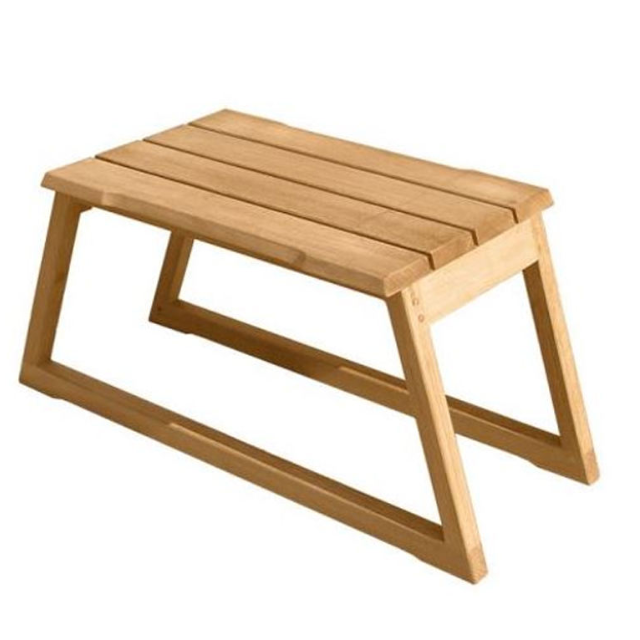
Side Table is a small but important furniture element in hotel bedrooms, lounges, suites, and common areas. The right solid wood design can provide practical functionality while supporting the overall appearance and comfort of a hospitality space.

Hotel furniture faces different demands from residential furniture because it may be used frequently by many guests. Therefore, buyers should evaluate material quality, dimensions, durability, maintenance, design, and supplier reliability before placing an order.

1. Check Solid Wood Quality

The first consideration when choosing a Side Table for hotels is the quality of its wood. Solid wood offers a natural appearance, visible grain, and a substantial feel that can enhance premium hospitality interiors.

However, solid wood furniture can vary considerably depending on species, construction, seasoning, finishing, and craftsmanship. Buyers should ask suppliers for clear information about the wood species and production specifications.

  • Confirm the wood species and material composition.
  • Check the consistency of construction and finishing.
  • Review samples before ordering in bulk.
  • Ask about recommended maintenance procedures.

2. Choose the Right Side Table Size

A Side Table should fit naturally within the available hotel space. A table that is too large can make a room feel crowded, while one that is too small may not provide enough practical surface area.

Consider the height of nearby beds, sofas, lounge chairs, and other furniture. For hotel projects, buyers should confirm exact dimensions before production to ensure every piece fits the intended layout.

  • Measure the available floor space.
  • Compare table height with nearby furniture.
  • Consider guest movement and accessibility.
  • Check packaging dimensions for transportation.

3. Consider Durability and Maintenance

Hotel furniture must withstand repeated use, cleaning, repositioning, and regular guest interaction. A well-constructed Side Table should therefore combine stable construction with a finish appropriate for its intended environment.

Maintenance requirements should also be considered before purchasing. Simple care instructions can help hotel staff preserve the appearance of wooden furniture and reduce unnecessary wear.

When comparing options, ask about joints, surface finishing, protective coatings, and recommended cleaning products. These details can help hotel buyers select furniture suited to daily hospitality operations.

4. Match the Side Table with the Hotel Interior

Beyond functionality, a Side Table should complement the hotel’s interior concept. Natural solid wood can work well with contemporary, tropical, rustic, classic, minimalist, and luxury design themes.

Consider the color, wood grain, silhouette, and finishing alongside existing beds, sofas, chairs, flooring, and decorative elements. Consistent visual language can create a more cohesive guest experience.

  • Modern and minimalist hotel interiors
  • Classic and traditional hospitality spaces
  • Resort and tropical environments
  • Luxury guest rooms and suites
  • Hotel lounges and reception areas

5. Evaluate the Furniture Supplier

Choosing the right Side Table also means choosing a dependable supplier. Hotel projects often involve multiple units, specific dimensions, finishing requirements, packaging needs, and scheduled deliveries.

A professional supplier should communicate specifications clearly and provide realistic information about production capacity. Buyers should request samples, confirm quality standards, and discuss customization options before committing to a large order.

Useful supplier questions include:

  • Can the dimensions be customized?
  • What solid wood options are available?
  • What finishing choices can be provided?
  • What is the minimum order quantity?
  • How are products packaged for export?
  • Can the supplier support repeat hotel projects?

For general information about wood as a material, visit this external resource. For Indonesian furniture sourcing and product inquiries, visit WINDA TEAK N TEAK.

Final Buying Considerations

The best Side Table for a hotel should balance appearance, functionality, durability, dimensions, and purchasing requirements. Solid wood can provide a distinctive natural character, but product quality depends on material selection and manufacturing standards.

Hotel buyers should compare samples rather than relying only on photographs or product descriptions. Reviewing construction, finishing, dimensions, packaging, and supplier communication can make the purchasing process more reliable.

A carefully selected Side Table can complement guest rooms and hospitality areas while providing useful surface space for guests. It can also become an important part of a consistent furniture collection across multiple hotel properties.

For larger projects, early communication with the supplier is especially valuable. Sharing room layouts, target dimensions, preferred materials, finishing requirements, and estimated quantities can help create a more suitable furniture solution.

WINDA TEAK N TEAK provides Indonesian furniture solutions for buyers seeking solid wood products with attractive designs. By evaluating quality and supplier capabilities carefully, hotel businesses can invest in furniture that supports both their design goals and operational needs.

Posted on — Leave a comment

7 Tips to Choose Durable Sun Loungers for Poolside Areas

Table of Contents

7 Tips for Choosing Durable Sun Loungers

Sun Loungers are essential for creating comfortable and attractive poolside areas in hotels, resorts, villas, and private properties. However, choosing outdoor loungers requires more than comparing styles because constant exposure to sunlight, moisture, and frequent use can affect furniture performance.

A durable poolside lounger should balance material quality, structural strength, comfort, maintenance requirements, and overall appearance. The following tips can help hospitality businesses and furniture buyers select suitable products for long-term outdoor use.

1. Check Sun Loungers Materials Carefully

Material selection is one of the most important factors when purchasing Sun Loungers. Outdoor furniture can be exposed to strong sunlight, humidity, splashes, and changing weather conditions, so the material should match the intended environment.

Solid wood can provide natural character, warmth, and a premium appearance, while aluminum offers a lightweight alternative. Synthetic woven materials may also be suitable when buyers prioritize weather-resistant surfaces and easy maintenance.

  • Consider the climate where the loungers will be installed.
  • Check the quality and consistency of the material.
  • Ask about recommended outdoor maintenance.
  • Choose materials that match the project’s design concept.

2. Inspect Sun Loungers Frame Construction

A strong frame is essential for comfortable and reliable outdoor furniture. When evaluating Sun Loungers, inspect joints, connections, legs, reclining mechanisms, and overall frame stability.

For commercial projects, construction quality becomes especially important because furniture may be used repeatedly throughout the day. A well-constructed frame can provide better support and help maintain its shape during regular operation.

3. Evaluate Sun Loungers Finish and Protection

The finish can influence both appearance and maintenance. Quality finishing helps enhance the natural character of wooden Sun Loungers while providing an additional layer of protection appropriate for the intended environment.

Ask the supplier about finishing specifications and recommended care procedures before purchasing. Buyers should also understand whether the product is designed for covered outdoor areas or more exposed poolside locations.

4. Prioritize Sun Loungers Comfort and Design

Durability should never come at the expense of guest comfort. The best Sun Loungers should have proportions that support relaxed seating and provide a practical position for reading, resting, or enjoying the poolside environment.

Consider backrest positioning, seat dimensions, armrest design, cushion compatibility, and reclining options. A comfortable lounger can contribute to a more enjoyable guest experience and improve the overall impression of a hospitality space.

5. Choose Sun Loungers That Are Easy to Maintain

Poolside furniture requires regular cleaning because it may come into contact with water, sunscreen, dust, and outdoor debris. Easy-care Sun Loungers can reduce daily maintenance work for hotel and resort staff.

  • Follow the manufacturer’s cleaning recommendations.
  • Remove dirt and spills promptly.
  • Store or cover furniture when appropriate.
  • Inspect hardware and joints regularly.
  • Refresh protective finishes according to supplier guidance.

For general information about wood as a natural material, buyers can consult this trusted wood reference.

6. Consider Sun Loungers for Commercial Poolside Areas

Hotels, resorts, and hospitality businesses should evaluate furniture based on both aesthetics and operational requirements. Sun Loungers should fit available space while allowing guests and staff to move comfortably around the pool.

For larger projects, buyers should also discuss bulk quantities, packaging, dimensions, customization, finishing options, lead times, and shipping requirements with the supplier. These details can influence the efficiency of the entire procurement process.

Consistent furniture design can also strengthen a property’s visual identity. Matching loungers with outdoor tables, umbrellas, cushions, and other furniture can create a cohesive poolside atmosphere.

7. Compare Sun Loungers Before Ordering

Before placing an order, create a simple comparison checklist for your preferred Sun Loungers. Reviewing multiple specifications can help prevent decisions based solely on appearance or initial purchase cost.

  • Material: Confirm construction and outdoor suitability.
  • Frame: Check stability, joints, and hardware.
  • Finish: Review protection and maintenance requirements.
  • Comfort: Evaluate dimensions and reclining functionality.
  • Maintenance: Confirm cleaning and care procedures.
  • Supplier: Discuss quality control, packaging, and delivery.

For buyers sourcing Indonesian outdoor furniture, visit WINDA TEAK N TEAK to explore furniture solutions suitable for hospitality and outdoor projects.

Ultimately, durable Sun Loungers should combine strong construction, appropriate materials, comfortable design, and practical maintenance. By evaluating these factors carefully, hotels, resorts, villas, and commercial property owners can choose poolside furniture that supports both guest satisfaction and long-term value.