Table of Contents
- What Makes a Quality Coffee Table?
- Choose the Right Material
- Consider Size and Proportion
- Match the Interior Design
- Check Construction and Finish
- Consider Functionality
- Choose a Reliable Furniture Supplier
How to Choose a High-Quality Coffee Table
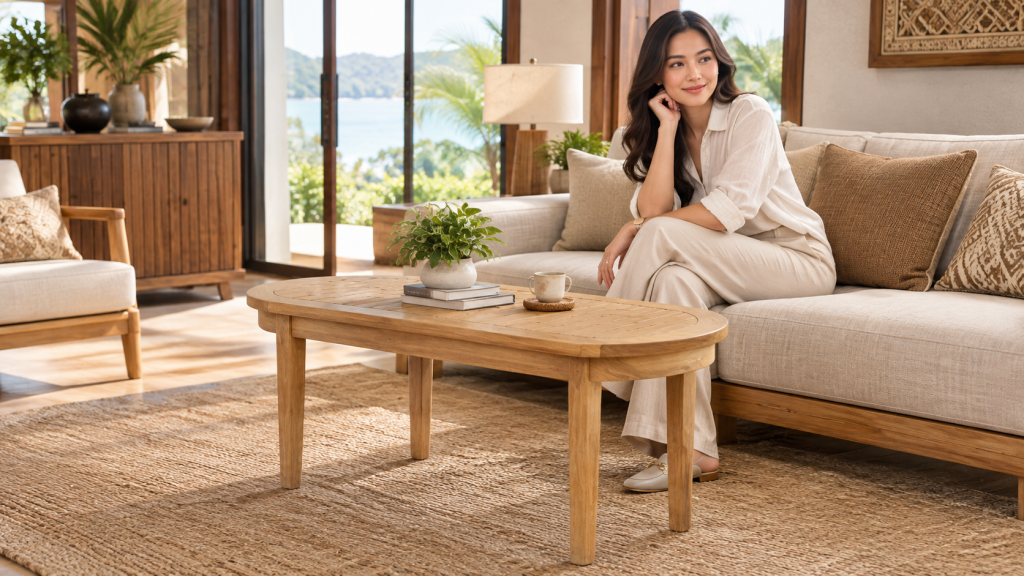
Choosing the right Coffee Table can significantly improve the comfort, functionality, and visual appeal of a living room. A well-made table should combine attractive design, durable materials, practical proportions, and craftsmanship that can withstand regular use.
Whether you are furnishing a private residence, hotel, resort, or interior project, understanding the key quality factors makes the buying process easier. The following guide explains what to look for before selecting a premium Coffee Table.
1. Choose the Right Material for Your Coffee Table
Material is one of the most important considerations when selecting a Coffee Table. Solid wood is popular because it offers natural character, substantial construction, and a timeless appearance that works well with different interior styles.
For buyers seeking furniture with a warm and authentic appearance, Indonesian wood furniture can provide distinctive grain patterns and handcrafted character. Material selection should also consider the intended environment, frequency of use, and maintenance requirements.
- Solid wood for durability and natural character
- Teak for distinctive grain and versatile applications
- Engineered materials for selected contemporary designs
- Mixed materials for modern and industrial interiors
2. Consider the Size and Proportion
A quality Coffee Table should be proportional to the surrounding furniture. A table that is too large can make the room feel crowded, while a table that is too small may look disconnected from the seating arrangement.
Measure the available floor area and consider the distance between the table and surrounding sofas or chairs. Adequate clearance makes movement easier and keeps the living room comfortable.
- Measure the available floor space.
- Compare the table height with the sofa seat.
- Allow comfortable walking space around the table.
- Consider the size of the seating arrangement.
3. Match the Coffee Table With Your Interior Design
Design should complement the existing interior rather than compete with it. A natural wooden Coffee Table can work particularly well with Scandinavian, contemporary, rustic, tropical, and hospitality-inspired interiors.
Consider the shape, color, wood grain, and finish before making a decision. Round tables can create a softer appearance, while rectangular designs can provide a structured look for larger seating arrangements.
4. Check Construction and Finishing Quality
Construction quality has a direct impact on furniture durability. When evaluating a Coffee Table, inspect the joints, tabletop stability, legs, surface finishing, and overall craftsmanship.
A carefully finished surface should feel smooth and consistent while preserving the natural character of the material. Strong joints and stable legs are also essential for reliable everyday performance.
5. Consider Functionality and Daily Use
A stylish Coffee Table should also serve a practical purpose. Think about how the table will be used, whether for serving beverages, displaying books and décor, supporting accessories, or organizing everyday living-room activities.
For commercial projects, functionality becomes even more important because furniture may experience frequent use. Select a design that balances visual appeal with practical performance and easy maintenance.
6. Choose a Reliable Furniture Supplier
For wholesalers, retailers, hospitality businesses, and interior designers, choosing a reliable supplier can simplify furniture sourcing. A professional supplier should be able to provide clear product information, consistent craftsmanship, suitable packaging, and communication for bulk orders.
WINDA TEAK N TEAK offers Indonesian furniture solutions for buyers seeking natural wood furniture with export-oriented quality. Visit our furniture website to explore additional furniture collections.
For general information about wood and its characteristics, buyers can also consult this trusted external source.
7. Make Quality the Priority
Ultimately, the best Coffee Table should provide a balanced combination of material quality, construction, proportions, design, and functionality. Focusing on these factors helps buyers choose furniture that remains attractive and useful over time.
For living rooms and commercial interiors, a well-crafted wooden table can become an important visual centerpiece. By carefully evaluating materials, dimensions, finishing, and supplier reliability, you can select a Coffee Table that delivers both lasting value and strong interior appeal.