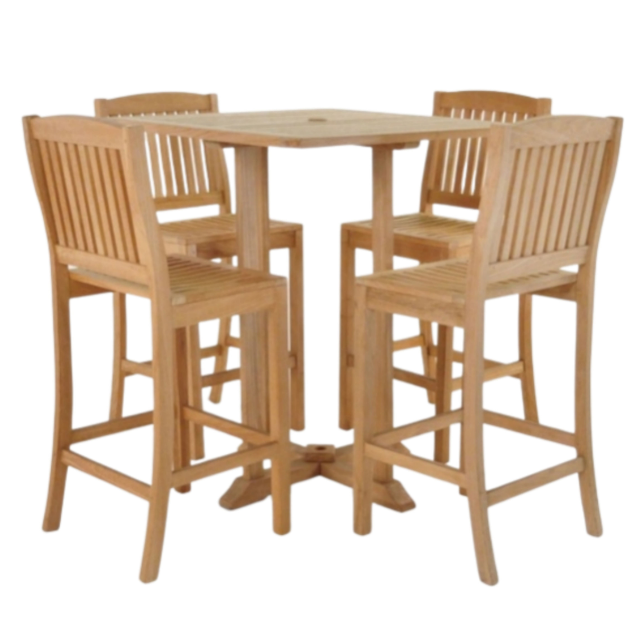
Round Dining Table vs Rectangular Dining Table: Which Is Better?
Table of Contents
- Advantages of a Round Dining Table
- Disadvantages of a Round Dining Table
- Advantages of a Rectangular Dining Table
- Disadvantages of a Rectangular Dining Table
- Key Comparison Factors
- Final Recommendation
Round Dining Table designs have become increasingly popular in modern homes. Their graceful curves create a welcoming vibe, unlike the straight lines of a Rectangular Dining Table. As you consider furniture upgrades, both styles offer unique benefits.
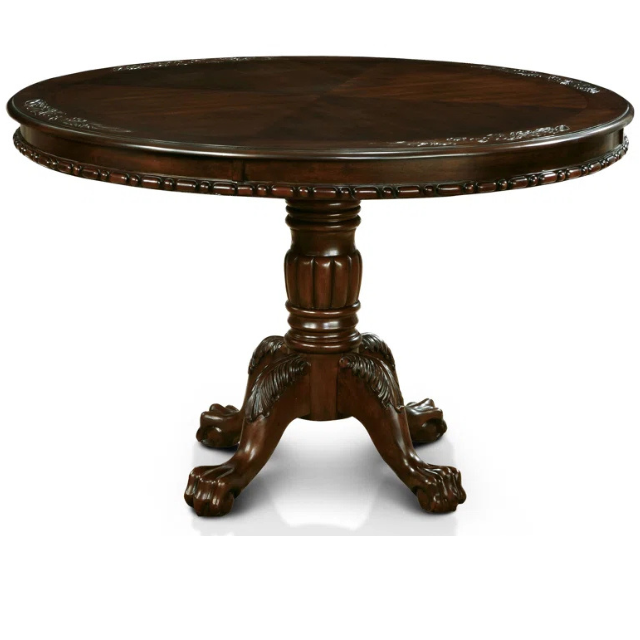
In this guide, we’ll explore why a Round Dining Table might be the perfect centerpiece for family meals, and when a Rectangular Dining Table could be a better fit. We’ll dive into space usage, guest flow, and styling options.
Advantages of a Round Dining Table
- Social Interaction: The circular shape encourages conversation because everyone faces each other.
- Space Efficiency: Round Dining Table corners are soft, allowing you to place the table closer to walls without blocking pathways.
- Versatile Room Shapes: It adapts well to both square and rectangular rooms, providing a balanced look.
- Child‑Friendly: Rounded edges reduce injury risk for small children or the elderly.
When you choose a Round Dining Table, you’re also choosing a focal point that draws attention.
Disadvantages of a Round Dining Table
- Limited Capacity: Round Dining Table generally seats 6–8 people comfortably, which might be insufficient for larger gatherings.
- Restricted Storage: Without built‑in drawers, you’ll need separate storage solutions.
- Harder to Match Accessories: Finding matching chairs or sideboards that complement the curve can be challenging.
Despite these drawbacks, many homeowners still prefer the aesthetic charm of a Round Dining Table.
Advantages of a Rectangular Dining Table
- Higher Seating Capacity: A Rectangular Dining Table can comfortably seat 8–12 people with enough legroom.
- Straight Edge Design: This makes it easier to blend with linear decor and clean, modern aesthetics.
- Versatile Storage: Many Rectangular Dining Table models include built‑in drawers or side cabinets.
- Easy to Find Matching Pieces: Chairs and sideboards often come in standard sizes that pair well.
These features make a Rectangular Dining Table ideal for formal dining areas or large family meals.
Disadvantages of a Rectangular Dining Table
- Less Intimacy: The straight shape can create a sense of distance between diners.
- Space Consumption: The corners can feel intrusive in smaller rooms, especially if the table is close to walls.
- Harder to Navigate: Guests may need to walk around the table, which can feel awkward in tight spaces.
When selecting a Rectangular Dining Table, it’s essential to consider room size and layout.
Key Comparison Factors
- Room Size: Small rooms benefit from a Round Dining Table’s compact shape; larger rooms can accommodate a Rectangular Dining Table without crowding.
- Guest Flow: For frequent gatherings, a Rectangular Dining Table offers easier movement and more seating.
- Style Preference: Modern minimalism often pairs with Rectangular Dining Table, while rustic or cozy interiors favor the Round Dining Table.
- Budget: Round Dining Table models typically start at a lower price point, but high‑end Rectangular Dining Table can offer better long‑term storage.
Ultimately, the choice hinges on your lifestyle, space, and décor vision.
Final Recommendation
If you value intimacy, safety, and a flexible design that fits small to medium rooms, a Round Dining Table shines. It’s perfect for casual family dinners or intimate gatherings.
Conversely, if you host frequent large parties, need extra seating, or prefer a sleek, linear aesthetic, a Rectangular Dining Table is the better investment.
Explore our curated collection at WINDA TEAK N TEAK and find the perfect table for your home. For more in‑depth design tips, visit sumber tepercaya. Discover how the right dining table can elevate your space, one meal at a time.