Posted on — Leave a comment

7 Premium Side Table Styles for Living Rooms and Bedrooms

Table of Contents

H2 1: Quality Standards and Material Certification for Premium Teak Side Tables

Best Side Table Styles for Living Rooms and Bedrooms: side table living bedroom styles
7 Premium Side Table Living Bedroom Styles for Modern Interiors

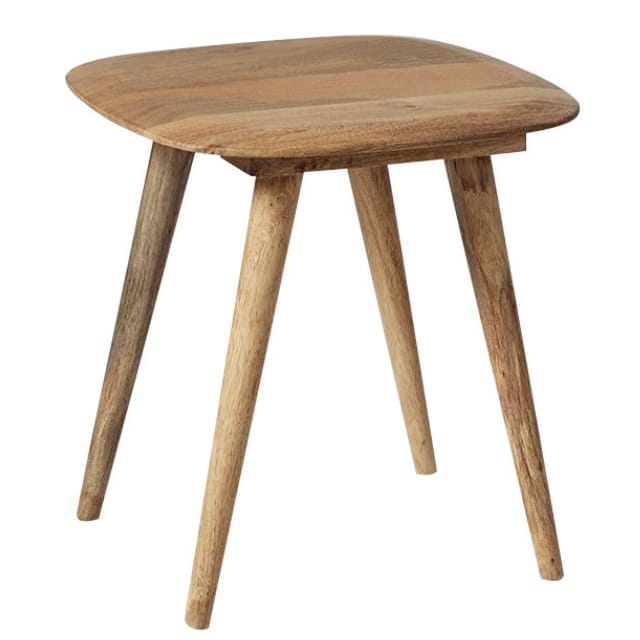
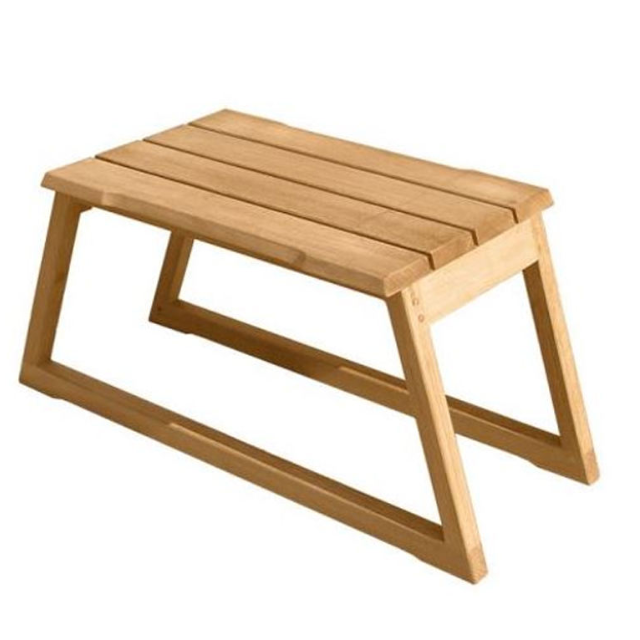
A Side Table is a small but useful furniture piece that can add function, balance, and visual interest to a room. Whether placed beside a sofa, lounge chair, or bed, the right design can make everyday living more comfortable while supporting the overall interior style.

H2 3: Frequently Asked Questions About Sourcing Side Table Living Bedroom Styles

For homes that combine practicality with natural character, teak furniture offers a warm and durable option. Explore the WINDA TEAK N TEAK furniture collection for designs that can complement residential and hospitality interiors.

Side Table Styles for Living Rooms

In a living room, a Side Table should be easy to reach without interrupting movement around seating. Its height, footprint, and storage features should work with the sofa or chair it accompanies.

  • Round designs: Soft edges create a relaxed appearance and work well beside curved sofas or armchairs.
  • Square designs: A structured silhouette suits contemporary rooms and makes efficient use of corners.
  • Nested tables: Multiple sizes provide flexible surfaces when guests need extra space.
  • Pedestal tables: A single central support gives the room a lighter visual profile.

For a classic interior, a wooden Side Table with visible grain can introduce warmth and texture. For modern rooms, clean lines and simple proportions can create a neat, uncluttered look.

Side Table Styles for Bedrooms

A bedroom Side Table can function as a compact bedside surface for a lamp, book, glasses, or decorative object. Choose a height that feels comfortable when reaching from the bed and leave enough clearance for movement.

  • Minimalist tables: Ideal for small bedrooms where visual simplicity matters.
  • Drawer tables: Useful when personal items need to stay organized and out of sight.
  • Open-shelf tables: Provide quick access to books, baskets, or small accessories.
  • Natural wood tables: Add warmth and pair naturally with neutral bedding and earthy interiors.

A bedroom Side Table does not need to match the bed perfectly. Coordinating materials, finishes, or shapes can create a cohesive room while allowing each furniture piece to retain its own character.

Materials and Practical Features

Material selection affects both appearance and everyday performance. Solid wood is valued for its natural grain, tactile quality, and ability to complement many interior themes.

When comparing a Side Table, consider the following practical details:

  • Overall height and width relative to nearby furniture
  • Surface area for lamps, drinks, books, or accessories
  • Storage requirements, including drawers or shelves
  • Finish and maintenance needs
  • Construction quality and stability

Teak is particularly associated with durability and natural resistance to changing conditions. For general background on the wood species, see this trusted teak reference.

Simple Styling Tips

Keep the tabletop useful rather than overcrowded. A lamp, small plant, book, or decorative tray can create a balanced arrangement without reducing usable space.

For a living room, coordinate the table with the sofa, rug, and lighting. In a bedroom, repeat one or two colors or materials from the bed and surrounding furniture to create visual continuity.

Ultimately, the best Side Table is one that fits the room, supports daily routines, and complements the existing furniture. By considering size, shape, material, storage, and styling, you can select a practical piece that remains attractive over time.
Posted on — Leave a comment

7 Expert Tips to Choose a Comfortable Single Sofa for Hotels

Table of Contents

H2: Why Comfort Matters in Hotel Seating

How to Choose a Comfortable Single Sofa for Hotels: comfortable single sofa hotels

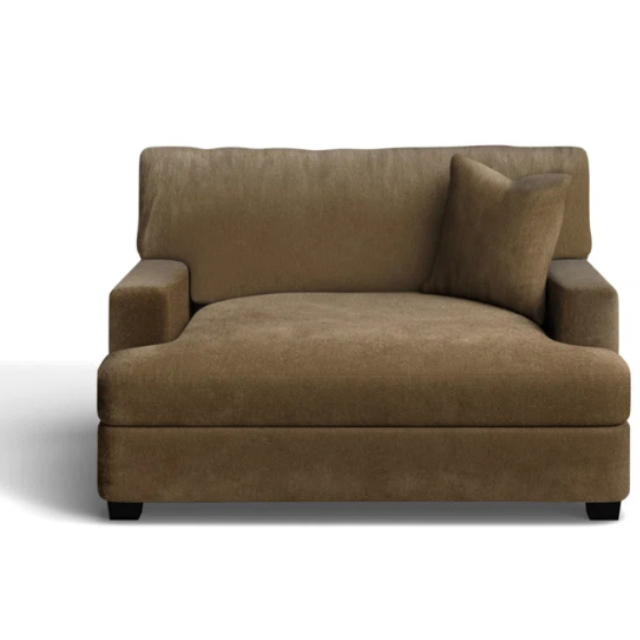
A comfortable Single Sofa can make a hotel lobby, guest room, lounge, or reading corner feel more welcoming. For hotel buyers, comfort should work together with durability, practical dimensions, easy maintenance, and a design that supports the property’s overall atmosphere.

H2: 2. Check Seat Support and Ergonomics

The right Single Sofa should provide reliable support without taking up unnecessary floor space. Before ordering, consider how guests will use the seat, how often it will be used, and what level of maintenance your staff can manage.

1. Choose the Right Size

Start by measuring the available area, including walking paths around the furniture. A Single Sofa that is too large can make a room feel crowded, while a very small design may look out of proportion.

  • Measure width, depth, and overall height.
  • Leave enough clearance for guest movement.
  • Check doorway and elevator dimensions before delivery.

2. Check Seat Support

Hotel guests may sit for a few minutes or several hours, so cushioning and posture support matter. Test the seat height, cushion firmness, back angle, and armrest position before selecting a Single Sofa for repeated commercial use.

A balanced cushion should feel supportive rather than excessively soft. Strong internal construction can also help the sofa retain its shape after frequent use.

3. Select Durable Fabric

Upholstery should match the expected traffic level and cleaning routine. For a Single Sofa in a busy hotel, choose materials that are durable, practical to clean, and appropriate for the property’s climate and operating conditions.

  • Consider stain resistance and routine cleaning.
  • Choose upholstery suited to daily commercial use.
  • Confirm replacement or repair options when available.

4. Match the Hotel Style

A Single Sofa should complement the hotel’s interior rather than compete with it. Consider the room’s color palette, wood finishes, lighting, and decorative theme when choosing upholstery and frame details.

For classic properties, natural wood details can add warmth and character. Contemporary hotels may prefer clean lines and understated upholstery for a polished appearance.

5. Consider Maintenance

How to Choose a Comfortable Sing — comfortable single sofa hotels

Comfort is only one part of a practical hotel furniture decision. A Single Sofa should also be easy for housekeeping teams to inspect, clean, move, and maintain between guest uses.

  • Look for accessible surfaces and practical upholstery.
  • Ask about cleaning instructions before purchase.
  • Review frame and cushion care requirements.

6. Review Quality and Supplier

When comparing suppliers, review material specifications, craftsmanship, dimensions, finishing, packaging, and lead times. For bulk hotel projects, consistency between units is especially important because multiple rooms should maintain a cohesive look.

Before placing an order, request product details and clarify customization options. You can visit WINDA TEAK N TEAK to explore furniture solutions for hospitality spaces.

For general background on furniture materials and construction, see this trusted reference.

7. Test Before You Order

If possible, inspect a sample before committing to a large hospitality order. Sit on the Single Sofa, check its stability, examine stitching and finishing, and compare the sample against the room layout.

For projects involving many rooms, confirm that every unit follows the approved dimensions, materials, and finish. This simple quality-control step can reduce inconsistencies during installation and help purchasing teams manage expectations.

Final Checklist for Hotel Buyers

The best Single Sofa choice depends on the hotel’s space, guest expectations, design concept, and operating needs. A clear checklist can help purchasing teams compare products consistently instead of relying only on appearance.

  • Comfortable seat height and supportive cushioning.
  • Dimensions that fit the intended room.
  • Durable upholstery and easy maintenance.
  • Construction suitable for frequent use.
  • Style and finish aligned with the hotel interior.
  • Reliable specifications, delivery, and after-sales support.

By evaluating these factors together, hotel owners and purchasing teams can select furniture that supports guest comfort while remaining practical for daily operations. A well-chosen Single Sofa can add useful seating and strengthen the overall character of a hospitality space.

Posted on — Leave a comment

How to Choose the Best Solid Wood Side Table for Hotels

Table of Contents

Side Table: How to Choose the Best Solid Wood Option for Hotels

Side Table is a small but important furniture element in hotel bedrooms, lounges, suites, and common areas. The right solid wood design can provide practical functionality while supporting the overall appearance and comfort of a hospitality space.

Hotel furniture faces different demands from residential furniture because it may be used frequently by many guests. Therefore, buyers should evaluate material quality, dimensions, durability, maintenance, design, and supplier reliability before placing an order.

1. Check Solid Wood Quality

The first consideration when choosing a Side Table for hotels is the quality of its wood. Solid wood offers a natural appearance, visible grain, and a substantial feel that can enhance premium hospitality interiors.

However, solid wood furniture can vary considerably depending on species, construction, seasoning, finishing, and craftsmanship. Buyers should ask suppliers for clear information about the wood species and production specifications.

  • Confirm the wood species and material composition.
  • Check the consistency of construction and finishing.
  • Review samples before ordering in bulk.
  • Ask about recommended maintenance procedures.

2. Choose the Right Side Table Size

A Side Table should fit naturally within the available hotel space. A table that is too large can make a room feel crowded, while one that is too small may not provide enough practical surface area.

Consider the height of nearby beds, sofas, lounge chairs, and other furniture. For hotel projects, buyers should confirm exact dimensions before production to ensure every piece fits the intended layout.

  • Measure the available floor space.
  • Compare table height with nearby furniture.
  • Consider guest movement and accessibility.
  • Check packaging dimensions for transportation.

3. Consider Durability and Maintenance

Hotel furniture must withstand repeated use, cleaning, repositioning, and regular guest interaction. A well-constructed Side Table should therefore combine stable construction with a finish appropriate for its intended environment.

Maintenance requirements should also be considered before purchasing. Simple care instructions can help hotel staff preserve the appearance of wooden furniture and reduce unnecessary wear.

When comparing options, ask about joints, surface finishing, protective coatings, and recommended cleaning products. These details can help hotel buyers select furniture suited to daily hospitality operations.

4. Match the Side Table with the Hotel Interior

Beyond functionality, a Side Table should complement the hotel’s interior concept. Natural solid wood can work well with contemporary, tropical, rustic, classic, minimalist, and luxury design themes.

Consider the color, wood grain, silhouette, and finishing alongside existing beds, sofas, chairs, flooring, and decorative elements. Consistent visual language can create a more cohesive guest experience.

  • Modern and minimalist hotel interiors
  • Classic and traditional hospitality spaces
  • Resort and tropical environments
  • Luxury guest rooms and suites
  • Hotel lounges and reception areas

5. Evaluate the Furniture Supplier

Choosing the right Side Table also means choosing a dependable supplier. Hotel projects often involve multiple units, specific dimensions, finishing requirements, packaging needs, and scheduled deliveries.

A professional supplier should communicate specifications clearly and provide realistic information about production capacity. Buyers should request samples, confirm quality standards, and discuss customization options before committing to a large order.

Useful supplier questions include:

  • Can the dimensions be customized?
  • What solid wood options are available?
  • What finishing choices can be provided?
  • What is the minimum order quantity?
  • How are products packaged for export?
  • Can the supplier support repeat hotel projects?

For general information about wood as a material, visit this external resource. For Indonesian furniture sourcing and product inquiries, visit WINDA TEAK N TEAK.

Final Buying Considerations

The best Side Table for a hotel should balance appearance, functionality, durability, dimensions, and purchasing requirements. Solid wood can provide a distinctive natural character, but product quality depends on material selection and manufacturing standards.

Hotel buyers should compare samples rather than relying only on photographs or product descriptions. Reviewing construction, finishing, dimensions, packaging, and supplier communication can make the purchasing process more reliable.

A carefully selected Side Table can complement guest rooms and hospitality areas while providing useful surface space for guests. It can also become an important part of a consistent furniture collection across multiple hotel properties.

For larger projects, early communication with the supplier is especially valuable. Sharing room layouts, target dimensions, preferred materials, finishing requirements, and estimated quantities can help create a more suitable furniture solution.

WINDA TEAK N TEAK provides Indonesian furniture solutions for buyers seeking solid wood products with attractive designs. By evaluating quality and supplier capabilities carefully, hotel businesses can invest in furniture that supports both their design goals and operational needs.

Posted on — Leave a comment

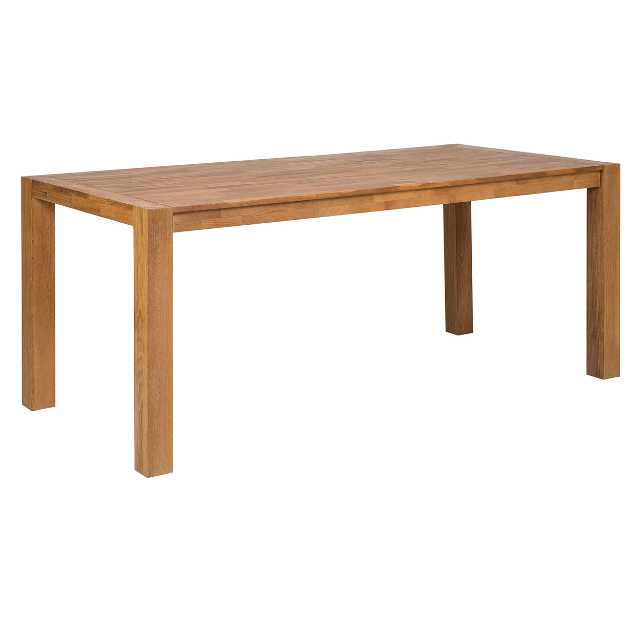
7 Smart Tips for Choosing a Dining Table for Small Rooms

7 Smart Tips for Choosing a Dining Table for Small Roms

H2 Sourcing Certified Durability: Material Standards for Compact Dining Tables

How to Choose a Dining Table for Small Dining Rooms: dining table for small room

Table of Contents

H2 Frequently Asked Questions About Small Room Dining Tables

Choosing a Dining Table for a small dining room requires more than simply finding a compact design. The right table should provide enough space for meals while keeping the room comfortable, functional, and visually open.

A well-planned Dining Table can make a small area feel larger and more organized. By considering dimensions, shape, materials, and seating, you can create an attractive dining space without making it feel crowded.

Choose the Right Dining Table Size

Size should be your first consideration when buying a Dining Table for a compact room. Measure the available floor area before choosing a design, and leave enough clearance for people to sit down and move comfortably.

As a general guideline, allow approximately 90 cm of space around the table whenever possible. This provides better movement and prevents the dining area from feeling cramped.

  • Measure the dining area before purchasing.
  • Consider both table dimensions and chair clearance.
  • Avoid oversized tabletops that dominate the room.

Select a Space-Saving Shape

7 Smart Tips for Choosing a Dining Table for Small Rooms

The shape of a Dining Table can significantly affect how efficiently you use a small room. Rectangular tables work well in narrow spaces, while round and square tables can be useful where walking space is limited.

A round Dining Table can create a softer visual appearance and eliminate sharp corners. This makes it particularly practical for compact rooms where circulation around the furniture is important.

Consider Your Room Layout

Before selecting a Dining Table, examine the position of doors, windows, walls, and other furniture. The table should fit naturally into the room without blocking important pathways or making access difficult.

For narrow dining rooms, placing a rectangular table parallel to the longest wall can improve the flow of the space. In open-plan homes, position the table so it clearly defines the dining zone without separating it from the rest of the room.

Choose Practical Materials

Material affects both the appearance and durability of your Dining Table. Solid wood is a popular option because it provides a warm, natural appearance and can work with traditional, contemporary, or minimalist interiors.

When choosing wooden furniture, look for reliable construction, stable joints, and a durable finish. You can learn more about wood as a natural material through this trusted reference.

Pair It With the Right Chairs

A Dining Table should be selected together with its chairs rather than treated as a separate piece of furniture. Bulky chairs can consume valuable floor space even when the tabletop itself is compact.

  • Choose chairs with proportions that match the table.
  • Consider armless chairs for easier movement.
  • Use lightweight designs to maintain an open appearance.
  • Check the distance between the seat and tabletop.

Balance Style and Function

A small dining room does not mean you need to sacrifice style. A simple Dining Table with clean lines can make the room appear more spacious while providing a practical surface for everyday meals.

Light wood finishes, slim legs, and uncluttered silhouettes can help create a more open visual effect. If you prefer a classic look, carefully selected wooden details can add character without overwhelming the room.

Final Buying Tips

When choosing a Dining Table, prioritize proportions, comfort, durability, and the way the furniture works with your existing interior. A smaller table that fits the room properly is usually more useful than a larger table that restricts movement.

Before ordering, check the exact measurements and consider how many people normally use the table. For quality furniture options, visit WINDA TEAK N TEAK to explore suitable designs for different dining spaces.

The best Dining Table for a small room is one that combines practical dimensions with attractive design. With careful planning, even a compact dining area can become comfortable, functional, and welcoming.

Posted on — Leave a comment

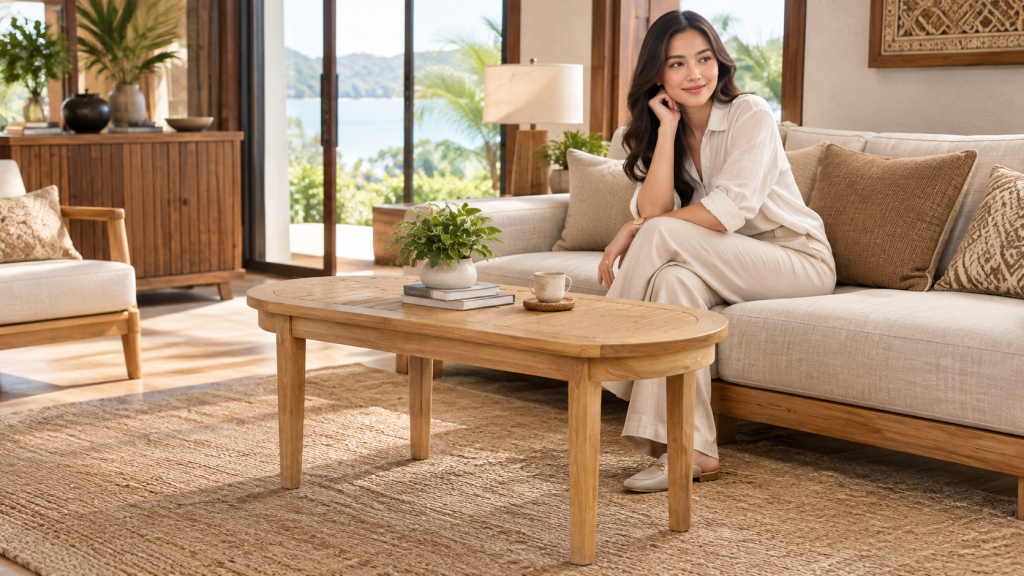
7 Best Tips for Choosing a High-Quality Coffee Table

Table of Contents

Why Material Selection Defines Long-Term Value

How to Choose a High-Quality Coffee Table

7 Best Tips for Choosing a High-Quality Coffee Table | Teak n Tea

Choosing the right Coffee Table can significantly improve the comfort, functionality, and visual appeal of a living room. A well-made table should combine attractive design, durable materials, practical proportions, and craftsmanship that can withstand regular use.

The Importance of Professional Packaging & Logistics

Whether you are furnishing a private residence, hotel, resort, or interior project, understanding the key quality factors makes the buying process easier. The following guide explains what to look for before selecting a premium Coffee Table.

1. Choose the Right Material for Your Coffee Table

Material is one of the most important considerations when selecting a Coffee Table. Solid wood is popular because it offers natural character, substantial construction, and a timeless appearance that works well with different interior styles.

For buyers seeking furniture with a warm and authentic appearance, Indonesian wood furniture can provide distinctive grain patterns and handcrafted character. Material selection should also consider the intended environment, frequency of use, and maintenance requirements.

  • Solid wood for durability and natural character
  • Teak for distinctive grain and versatile applications
  • Engineered materials for selected contemporary designs
  • Mixed materials for modern and industrial interiors

2. Consider the Size and Proportion

A quality Coffee Table should be proportional to the surrounding furniture. A table that is too large can make the room feel crowded, while a table that is too small may look disconnected from the seating arrangement.

Measure the available floor area and consider the distance between the table and surrounding sofas or chairs. Adequate clearance makes movement easier and keeps the living room comfortable.

  • Measure the available floor space.
  • Compare the table height with the sofa seat.
  • Allow comfortable walking space around the table.
  • Consider the size of the seating arrangement.

3. Match the Coffee Table With Your Interior Design

Design should complement the existing interior rather than compete with it. A natural wooden Coffee Table can work particularly well with Scandinavian, contemporary, rustic, tropical, and hospitality-inspired interiors.

Consider the shape, color, wood grain, and finish before making a decision. Round tables can create a softer appearance, while rectangular designs can provide a structured look for larger seating arrangements.

4. Check Construction and Finishing Quality

Construction quality has a direct impact on furniture durability. When evaluating a Coffee Table, inspect the joints, tabletop stability, legs, surface finishing, and overall craftsmanship.

A carefully finished surface should feel smooth and consistent while preserving the natural character of the material. Strong joints and stable legs are also essential for reliable everyday performance.

5. Consider Functionality and Daily Use

A stylish Coffee Table should also serve a practical purpose. Think about how the table will be used, whether for serving beverages, displaying books and décor, supporting accessories, or organizing everyday living-room activities.

For commercial projects, functionality becomes even more important because furniture may experience frequent use. Select a design that balances visual appeal with practical performance and easy maintenance.

6. Choose a Reliable Furniture Supplier

For wholesalers, retailers, hospitality businesses, and interior designers, choosing a reliable supplier can simplify furniture sourcing. A professional supplier should be able to provide clear product information, consistent craftsmanship, suitable packaging, and communication for bulk orders.

WINDA TEAK N TEAK offers Indonesian furniture solutions for buyers seeking natural wood furniture with export-oriented quality. Visit our furniture website to explore additional furniture collections.

For general information about wood and its characteristics, buyers can also consult this trusted external source.

7. Make Quality the Priority

Ultimately, the best Coffee Table should provide a balanced combination of material quality, construction, proportions, design, and functionality. Focusing on these factors helps buyers choose furniture that remains attractive and useful over time.

For living rooms and commercial interiors, a well-crafted wooden table can become an important visual centerpiece. By carefully evaluating materials, dimensions, finishing, and supplier reliability, you can select a Coffee Table that delivers both lasting value and strong interior appeal.

Posted on — Leave a comment

7 Smart Tips for Choosing the Best Single Sofa for Your Space

Table of Contents

Single Sofa Buying Guide: Materials, Comfort, and Design

Choosing a Single Sofa requires more than simply selecting an attractive piece of furniture. Materials, comfort, construction quality, dimensions, and design all influence how well a sofa performs in a home, office, hotel, or hospitality environment.

A well-selected sofa should balance visual appeal with practical performance. Buyers should consider how often it will be used, who will use it, and how well its style complements the surrounding interior.

Choosing the Right Single Sofa Materials

The material is one of the most important factors when purchasing a Single Sofa. A solid wooden frame can provide stability, while quality upholstery contributes to comfort and creates the desired visual character.

Common upholstery options include fabric, leather, and synthetic materials. Fabric can offer a warm and comfortable appearance, while leather and synthetic upholstery may provide a more refined look and easier maintenance.

Consider these material factors before buying:

  • Frame strength and construction
  • Upholstery durability
  • Ease of cleaning and maintenance
  • Resistance to everyday wear
  • Compatibility with the intended environment

Checking Single Sofa Comfort

Comfort should always be a priority when choosing a Single Sofa. The seat should provide adequate support without feeling excessively firm or too soft for regular use.

Pay attention to seat depth, cushion thickness, backrest height, and armrest positioning. For offices, lounges, and reception areas, ergonomic proportions can make a significant difference during extended periods of sitting.

If possible, test the sofa before purchasing. For general information about furniture and related terminology, buyers can also consult this trusted reference source.

Selecting the Best Single Sofa Design

The design of a Single Sofa should complement the room rather than compete with other furniture. Modern interiors often benefit from clean silhouettes, neutral upholstery, and simple details.

Classic interiors may work better with carved wooden elements, rounded arms, or decorative upholstery. For commercial spaces, choose a design that reflects the brand identity while remaining practical for everyday visitors.

Useful design considerations include:

  • Color and upholstery texture
  • Frame and leg style
  • Overall shape and proportions
  • Room decoration and existing furniture
  • Intended interior style

Finding the Right Single Sofa Size

A beautiful Single Sofa can still be unsuitable if its dimensions do not match the available space. Measure the room, doorway, hallway, and intended placement area before confirming an order.

Leave enough clearance around the sofa for comfortable movement. In smaller rooms, a compact silhouette with exposed legs can create a lighter visual appearance and help maintain an open atmosphere.

Evaluating Quality and Durability

When investing in a Single Sofa, inspect the frame, joints, cushions, upholstery, and finishing details. Strong construction is especially important for furniture placed in busy commercial environments such as hotels, restaurants, offices, and waiting areas.

Ask about manufacturing specifications, material options, and maintenance requirements. A reputable furniture supplier should be able to explain how the product is constructed and which materials are used.

You can explore furniture solutions and product information through WINDA TEAK N TEAK.

Making the Final Choice

The best Single Sofa is one that combines comfort, durability, appropriate dimensions, and a design that suits the intended space. Avoid choosing based solely on appearance or price because long-term usability is equally important.

Before purchasing, compare materials, construction, dimensions, upholstery, and maintenance requirements. For buyers furnishing multiple rooms or commercial properties, consistency in design and reliable quality can also help create a professional interior.

A thoughtful buying process makes it easier to find a Single Sofa that delivers both style and practical value. Whether used as an accent chair alternative, a lounge seat, or part of a hospitality setting, the right sofa can enhance comfort and improve the overall character of an interior.

Posted on — Leave a comment

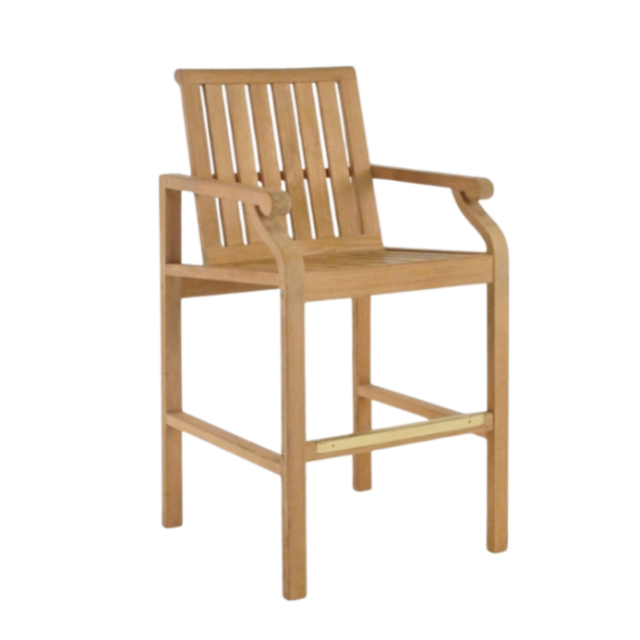
7 Powerful Bar Chair Buying Tips for Restaurant & Café Buyers

Bar Chair Buying Guide: 7 Smart Tips for Restaurants and Cafés

Table of Contents

Choosing the right Bar Chair can significantly improve the comfort, appearance, and functionality of a restaurant or café. For commercial spaces, furniture must combine attractive design with durability and practical performance.

A successful purchase should consider seating height, materials, construction quality, maintenance, and overall interior style. This guide explains seven practical points to help restaurant and café owners make a confident furniture decision.

1. Define Your Restaurant Needs

Start by identifying where the seating will be used. A Bar Chair for a busy café counter may require different specifications from chairs used in a premium cocktail bar, hotel lounge, or casual restaurant.

  • Measure the available seating area.
  • Determine expected daily usage.
  • Consider indoor or covered outdoor placement.
  • Identify your preferred seating capacity.

Understanding these requirements helps prevent unsuitable purchases and makes it easier to compare different commercial furniture options.

2. Check Height and Dimensions

Correct dimensions are essential for customer comfort. The Bar Chair should provide an appropriate relationship between seat height and the counter or table height.

Measure the counter before ordering and allow enough legroom between the seat and tabletop. Also check the overall width so multiple chairs can be positioned comfortably without making the space feel crowded.

3. Prioritize Comfort and Durability

Restaurant customers may sit for extended periods, making ergonomic comfort an important consideration. A well-designed Bar Chair should provide stable support and a comfortable seating position.

Durability is equally important because commercial furniture experiences frequent use. Look for solid construction, reliable joints, stable legs, and finishes that can withstand regular cleaning and everyday wear.

4. Select Suitable Materials

Material selection affects appearance, durability, maintenance, and overall cost. Solid wood can create a warm and premium atmosphere, while metal and upholstered combinations may suit contemporary commercial interiors.

For businesses seeking a natural character, teak is an attractive option because of its distinctive grain and established reputation as a durable hardwood. Learn more about teak through this trusted reference.

  • Solid wood: warm, natural, and timeless.
  • Metal: modern and suitable for industrial interiors.
  • Upholstery: adds softness and visual comfort.
  • Mixed materials: offers flexibility for contemporary designs.

5. Match Your Interior Style

Furniture should support the restaurant’s overall visual identity. A wooden Bar Chair can complement rustic, tropical, Scandinavian, classic, or modern interiors depending on its shape and finish.

Consider the relationship between seating, counters, tables, lighting, flooring, and wall finishes. Consistent design creates a more polished environment and can strengthen the customer’s overall impression of the venue.

6. Consider Maintenance Requirements

Commercial furniture needs to remain presentable despite frequent customer use. Choose finishes that are practical to clean and establish a simple maintenance routine from the beginning.

Regularly inspect joints, screws, footrests, and protective finishes. Prompt maintenance can help extend the service life of a Bar Chair and reduce unexpected replacement costs.

7. Evaluate Long-Term Value

Price should not be the only factor when purchasing commercial seating. Compare construction quality, expected lifespan, maintenance needs, design consistency, and supplier reliability to understand the true value of each option.

A high-quality Bar Chair can support a professional restaurant environment for years when properly selected and maintained. Buying from an experienced furniture supplier can also simplify customization, bulk ordering, and project requirements.

For Indonesian teak furniture solutions, explore WINDA TEAK N TEAK to discover furniture options suitable for hospitality and commercial interiors.

Final Buying Checklist

Before placing an order, review the essential specifications and compare them with your restaurant’s operational needs. A simple checklist can help you avoid costly mistakes.

  • Correct counter-to-seat height
  • Stable and durable construction
  • Suitable material and finish
  • Comfortable seating design
  • Easy maintenance requirements
  • Interior style compatibility
  • Reliable supplier and consistent quality

Ultimately, the best Bar Chair is one that balances comfort, durability, aesthetics, and commercial practicality. By evaluating these seven factors carefully, restaurants and cafés can create attractive seating areas while making a smarter long-term furniture investment.

Posted on — Leave a comment

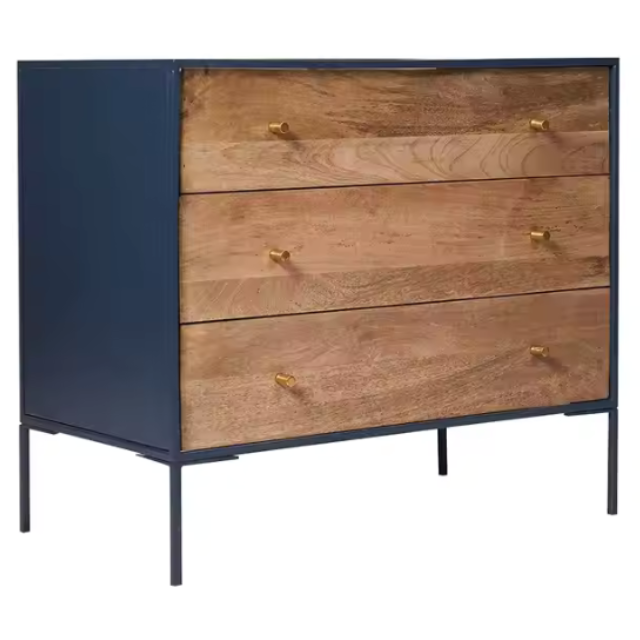
7 Nightstands tips: the ultimate guide to choosing the right one

Table of Contents

7 Tips for Choosing the Best Nightstand for Your Bedroom

A Nightstand is more than a small table beside your bed. The right design can provide convenient storage, complement your bedroom furniture, and keep essential items within easy reach.

When buying a Nightstand, consider more than appearance. Materials, dimensions, construction, storage, and overall style should all work together to create a practical and attractive bedroom setup.

1. Choose the Right Nightstand Materials

The material affects the appearance, durability, maintenance, and overall character of your furniture. Solid wood is a popular option because it offers natural beauty and a strong, timeless appearance.

Teak wood is especially appealing for buyers who want distinctive grain patterns and durable furniture. Learn more about wood as a natural material from this trusted reference.

  • Solid wood: durable and naturally attractive.
  • Teak wood: distinctive grain and excellent longevity.
  • Engineered wood: practical and often budget-friendly.
  • Metal: suitable for contemporary and industrial interiors.

2. Match the Nightstand With Your Bedroom Style

A well-chosen Nightstand should complement the bed, wardrobe, dresser, and other furniture in the room. Matching every piece exactly is not necessary, but maintaining a consistent visual direction creates a more balanced interior.

For traditional bedrooms, consider warm wood finishes and classic details. Modern rooms may benefit from clean lines, simple silhouettes, and minimal decoration, while rustic interiors work beautifully with natural textures.

3. Consider Storage and Organization

Think about what you normally keep beside your bed. Books, glasses, charging cables, lamps, and personal items may require drawers, shelves, or a combination of both.

A Nightstand with drawers can hide smaller belongings and keep the bedroom looking tidy. Open shelves are useful when you want frequently used items to remain accessible and visible.

  • Drawers for personal belongings.
  • Open shelves for books and decorative items.
  • Tabletop space for lamps and everyday essentials.
  • Cable-friendly designs for convenient device charging.

4. Look for Practical Nightstand Features

Useful features can make everyday furniture much more convenient. Depending on your needs, look for smooth drawer movement, sturdy handles, stable legs, and surfaces that are easy to maintain.

If you regularly use electronic devices beside the bed, consider a design that provides enough tabletop space for a phone, lamp, or charging accessories without feeling crowded.

5. Get the Size and Height Right

The ideal Nightstand should work comfortably with your bed. A tabletop that is approximately level with the mattress is generally convenient because it allows you to reach items without excessive stretching.

Measure the available floor space before purchasing. Remember to leave enough room around the furniture for comfortable movement, cleaning, and opening drawers.

  • Measure the available width beside the bed.
  • Compare the table height with your mattress.
  • Check drawer and door clearance.
  • Leave comfortable walking space around the furniture.

6. Check Construction and Overall Quality

Good furniture should feel stable and well constructed. Examine the joints, legs, drawer mechanisms, surface finish, and overall balance before making a purchasing decision.

For wooden furniture, pay attention to the grain, finishing quality, and craftsmanship. A carefully constructed piece can remain functional and attractive for many years with appropriate care.

7. Prioritize Long-Term Value

The best Nightstand is not necessarily the cheapest option. Consider how well the furniture fits your bedroom, how often you will use it, and whether its materials and construction justify the investment.

Choosing timeless designs can also provide better long-term value because they are easier to coordinate with changing bedroom decor. Quality furniture can become a practical part of your interior rather than a short-term purchase.

Final Nightstand Buying Tips

Before ordering, review your measurements, preferred material, storage requirements, bedroom style, and budget. A thoughtful selection process helps ensure that your new Nightstand looks attractive while serving a useful everyday purpose.

For natural wooden furniture and timeless designs, explore the collection from WINDA TEAK N TEAK. The right Nightstand can add both functionality and character to a well-designed bedroom.

Posted on — Leave a comment

7 Best Tips for Choosing a Durable Garden Chair

Table of Contents

How to Choose a Durable Garden Chair for Outdoor Use

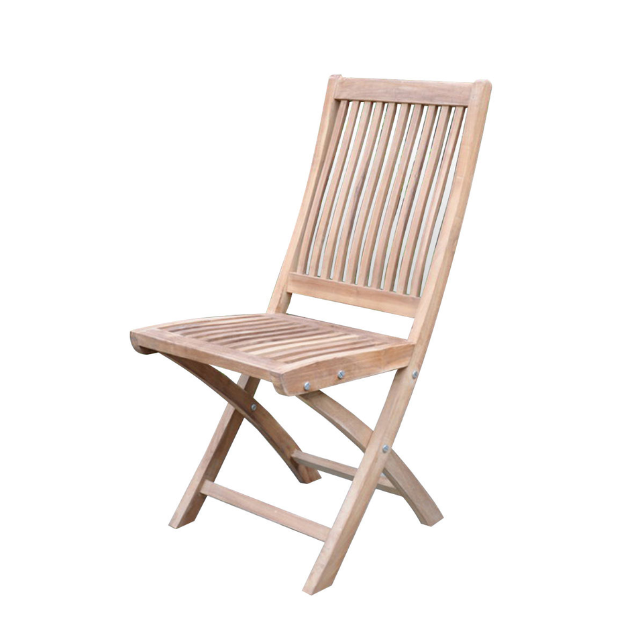
A Garden Chair is an important part of any comfortable outdoor area. Whether you are furnishing a private garden, patio, café, restaurant, resort, or hospitality space, choosing a durable chair can provide better long-term value.

Outdoor furniture faces sunlight, humidity, rain, temperature changes, and frequent use. For this reason, buyers should evaluate the material, construction, comfort, maintenance, and overall design before making a purchase.

1. Choose the Right Garden Chair Material

Material is one of the first factors to consider when selecting a Garden Chair. Different materials offer different combinations of strength, appearance, maintenance requirements, and outdoor suitability.

  • Solid wood offers a warm and natural appearance.
  • Teak is widely valued for outdoor furniture applications.
  • Metal can provide a strong and contemporary appearance.
  • Plastic or synthetic materials can offer lightweight handling.

For buyers who prefer natural furniture, teak wood can be an attractive option. Its distinctive grain and warm appearance can complement gardens, terraces, patios, and other outdoor environments.

2. Check Garden Chair Construction

A durable Garden Chair should have a construction that feels stable and well-balanced. Examine the joints, legs, frame, backrest, and connection points to ensure the chair is designed for regular use.

For commercial buyers, construction quality becomes even more important because chairs may be used repeatedly throughout the day. A stable structure can help improve the overall experience for customers and guests.

3. Prioritize Comfort and Ergonomics

Durability is important, but comfort should not be overlooked. A well-designed Garden Chair should provide appropriate support for the back and allow users to sit comfortably during meals, conversations, or relaxation.

  • Check the height of the seat.
  • Look for supportive backrest proportions.
  • Consider the width and depth of the seating area.
  • Choose a design suitable for the intended activity.

If chairs will be used around an outdoor dining table, make sure the proportions work well with the table height. Good coordination can make the entire outdoor seating area more practical.

4. Consider Weather Resistance

An outdoor Garden Chair should be selected with the local climate in mind. Strong sunlight, rain, humidity, and changing temperatures can affect outdoor furniture over time.

Even durable materials benefit from appropriate care and protection. When possible, place furniture in suitable locations and use covers or sheltered storage during severe weather conditions.

5. Look at Maintenance Requirements

Before purchasing a Garden Chair, consider how much maintenance you are willing to perform. Simple cleaning and routine inspection can help preserve the furniture’s appearance and usability.

  • Clean dirt and debris regularly.
  • Follow the manufacturer’s recommended care instructions.
  • Inspect joints and structural components periodically.
  • Protect furniture from prolonged exposure to extreme conditions.

For natural wooden furniture, maintenance requirements may depend on the specific wood species and finish. Buyers can learn more about wood and related materials from this external reference.

6. Match Style With Your Outdoor Space

A durable Garden Chair should also complement the visual character of the surrounding area. Modern, minimalist, classic, rustic, and tropical furniture styles can create very different outdoor atmospheres.

Consider the existing table, flooring, plants, architectural elements, and overall color palette. A coordinated furniture arrangement can make a garden or hospitality area look more professional and inviting.

7. Choose Quality From a Trusted Supplier

The supplier you choose can influence the consistency, craftsmanship, and overall value of your furniture. For residential and B2B projects, work with a furniture supplier that understands material selection and outdoor furniture requirements.

WINDA TEAK N TEAK provides Indonesian furniture solutions for customers seeking distinctive designs and practical furniture for various spaces. A carefully selected Garden Chair can become a valuable part of residential gardens, cafés, restaurants, resorts, and hospitality projects.

Explore more furniture options by visiting WINDA TEAK N TEAK and discover furniture solutions for your next project.

Ultimately, choosing the right Garden Chair requires more than focusing on appearance alone. Evaluate the material, construction, comfort, climate suitability, maintenance, design, and supplier reputation to make a confident purchasing decision.

Posted on — Leave a comment

7 Premium Features to Look for in a Durable Desk Table

Top Features to Look for in a Durable Desk Table

Table of Contents

H2 8: Certified Material Standards and Compliance for B2B Projects

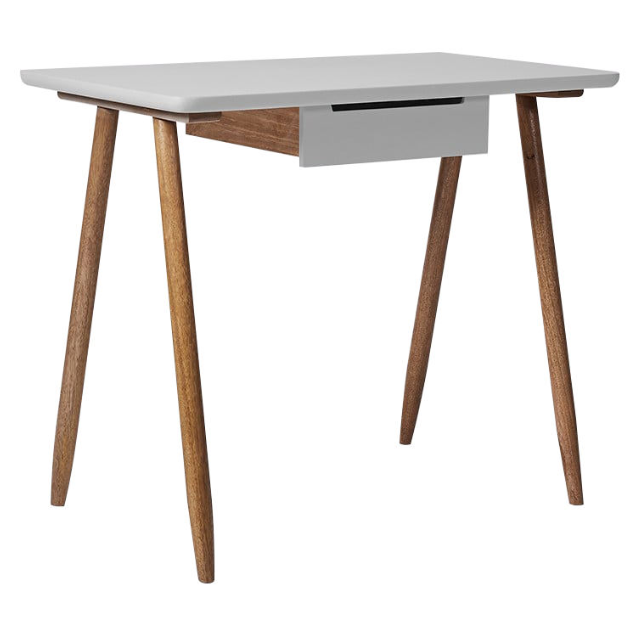
A durable Desk Table is more than a convenient surface for working. It is an important piece of furniture that should provide stability, comfort, functionality, and long-term value in homes, offices, hotels, and commercial spaces.

H2 10: Frequently Asked Questions About Sourcing Durable Desk Tables

When choosing a Desk Table, buyers should look beyond appearance and consider the materials, construction, finish, dimensions, and intended use. Understanding these features makes it easier to select furniture that remains functional and attractive over time.

7 Premium Features of a Durable Desk Table for Commercial Buyers

1. Quality Materials for a Durable Desk Table

The material is one of the most important factors affecting the durability of a Desk Table. Solid wood is widely valued for its strength, natural appearance, and ability to develop character as it ages.

For furniture intended for demanding environments, buyers should check the wood quality, moisture condition, and overall material consistency. Teak is particularly attractive for premium furniture because of its natural durability and distinctive grain.

  • Solid and structurally reliable materials
  • Consistent wood quality and grain
  • Properly seasoned or kiln-dried timber
  • Materials suited to the intended environment

2. Strong Construction and Joinery

Even high-quality materials cannot compensate for poor construction. A durable Desk Table should have carefully designed joints and connections that can withstand repeated daily use.

Pay attention to the legs, frame, tabletop connections, and supporting components. Quality craftsmanship helps minimize movement, loose joints, and structural problems during long-term use.

3. Stability and Proper Support

Stability is essential when selecting a Desk Table for professional or residential use. A table should remain firm when users write, type, place equipment on the surface, or move items around.

Look for well-balanced legs, appropriate frame support, and a tabletop thickness that matches the table’s dimensions. These details can significantly improve everyday usability and reduce unnecessary stress on the structure.

4. Durable Surface Finish

A quality finish protects the Desk Table from everyday exposure to dust, minor spills, friction, and general handling. It also enhances the natural appearance of wood while making the furniture easier to maintain.

The ideal finish depends on the intended application and design requirements. Buyers should consider whether the table will be used in a private office, shared workspace, hotel, or other high-traffic environment.

5. Practical Design and Ergonomics

Durability should work together with comfort. A well-designed Desk Table should provide sufficient workspace while supporting a practical sitting or working position.

Consider the tabletop dimensions, leg clearance, height, and available space around the furniture. A thoughtful design can make daily work more comfortable while allowing the table to serve its purpose efficiently.

6. Easy Maintenance and Long-Term Care

Another valuable feature of a durable Desk Table is straightforward maintenance. Furniture that can be cleaned and cared for easily is more likely to retain its appearance throughout years of use.

Follow the manufacturer’s recommendations for cleaning products, moisture exposure, and refinishing. For general information about teak and its characteristics, readers can also explore this trusted reference on teak.

7. Versatile Use for Different Workspaces

A versatile Desk Table can provide greater value because it can adapt to different interior concepts and applications. Neutral proportions and timeless materials can work well in offices, bedrooms, executive spaces, hotels, and hospitality projects.

For businesses purchasing furniture in larger quantities, versatility can also simplify interior planning. A consistent furniture style can help create a professional and cohesive environment across multiple rooms.

  • Home offices and study areas
  • Corporate and executive offices
  • Hotels and hospitality interiors
  • Commercial and property projects
  • Custom furniture and interior design projects

Choosing the Right Desk Table

Selecting a Desk Table should involve more than comparing colors and prices. Material quality, construction, stability, surface protection, ergonomic design, maintenance requirements, and versatility all contribute to long-term value.

For buyers seeking premium wooden furniture, working with an experienced furniture manufacturer can make the selection process easier. Explore WINDA TEAK N TEAK to learn more about teak furniture solutions and discover options suitable for residential and commercial interiors.

Ultimately, the best Desk Table combines dependable construction with practical design and lasting visual appeal. By checking these essential features before purchasing, buyers can make a more informed decision and invest in furniture designed for reliable everyday use.